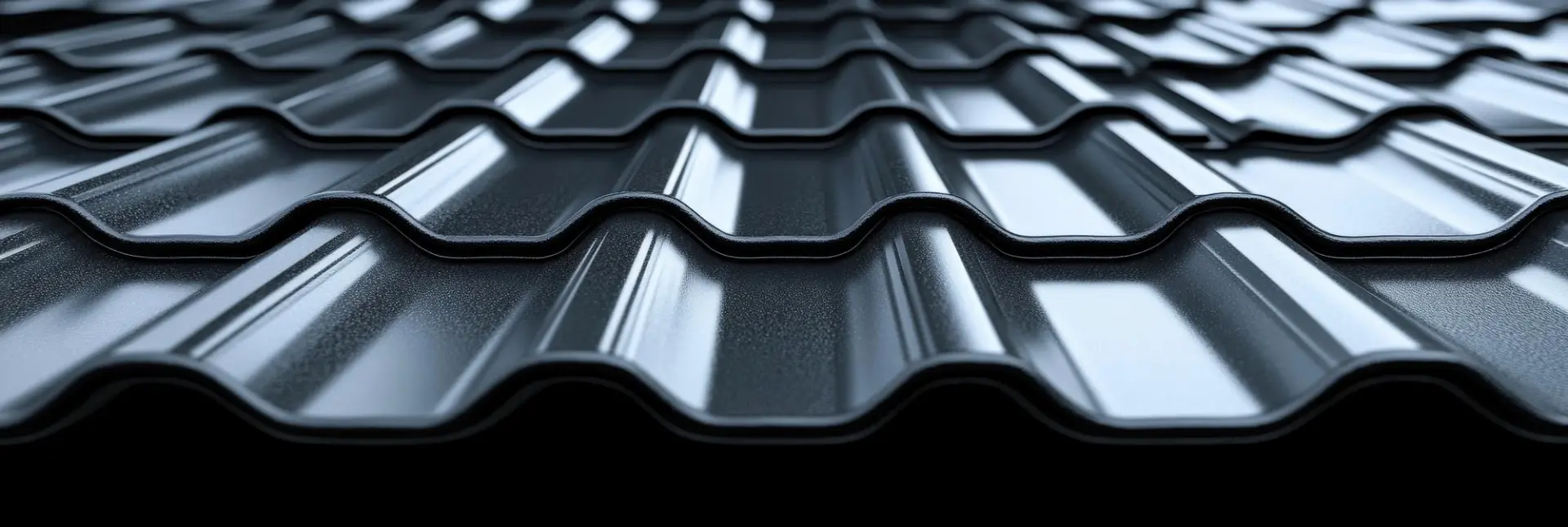
Aluminium roofing and solar panels
Aluminium roofing and solar panels can be coordinated successfully, but the mounting arrangement needs to suit the exact roof system. A clamp that appears to fit a seam is not evidence that the roof, its clips and the structure below can carry the proposed installation. The roofing and solar designs should be reviewed together before equipment is ordered.
This article looks at the roof interface rather than promising a particular electricity saving. For the wider role of the roof construction, read our article on energy savings with aluminium roofing. It explains what information to gather, which questions belong with each specialist and how to plan future access, whether the project is a new roof or a solar installation on an existing building.
What the latest UK solar figures show
Government figures published on 29 October 2026 provisionally put UK solar capacity at 23.4 GW across 2.16 million installations at the end of September 2026. Capacity was 8.9% higher than a year earlier. These figures cover the whole UK solar sector, including large ground-mounted systems; they are not measurements of aluminium-roof installations. The source is DESNZ’s October 2026 solar deployment workbook.
That growth makes early coordination increasingly useful when renewing a roof. It does not establish whether a particular property is suitable. Orientation, shading, structural capacity and the condition of the covering remain individual design questions, and electricity-output estimates should come from the solar assessment.
Identify the roof before discussing brackets
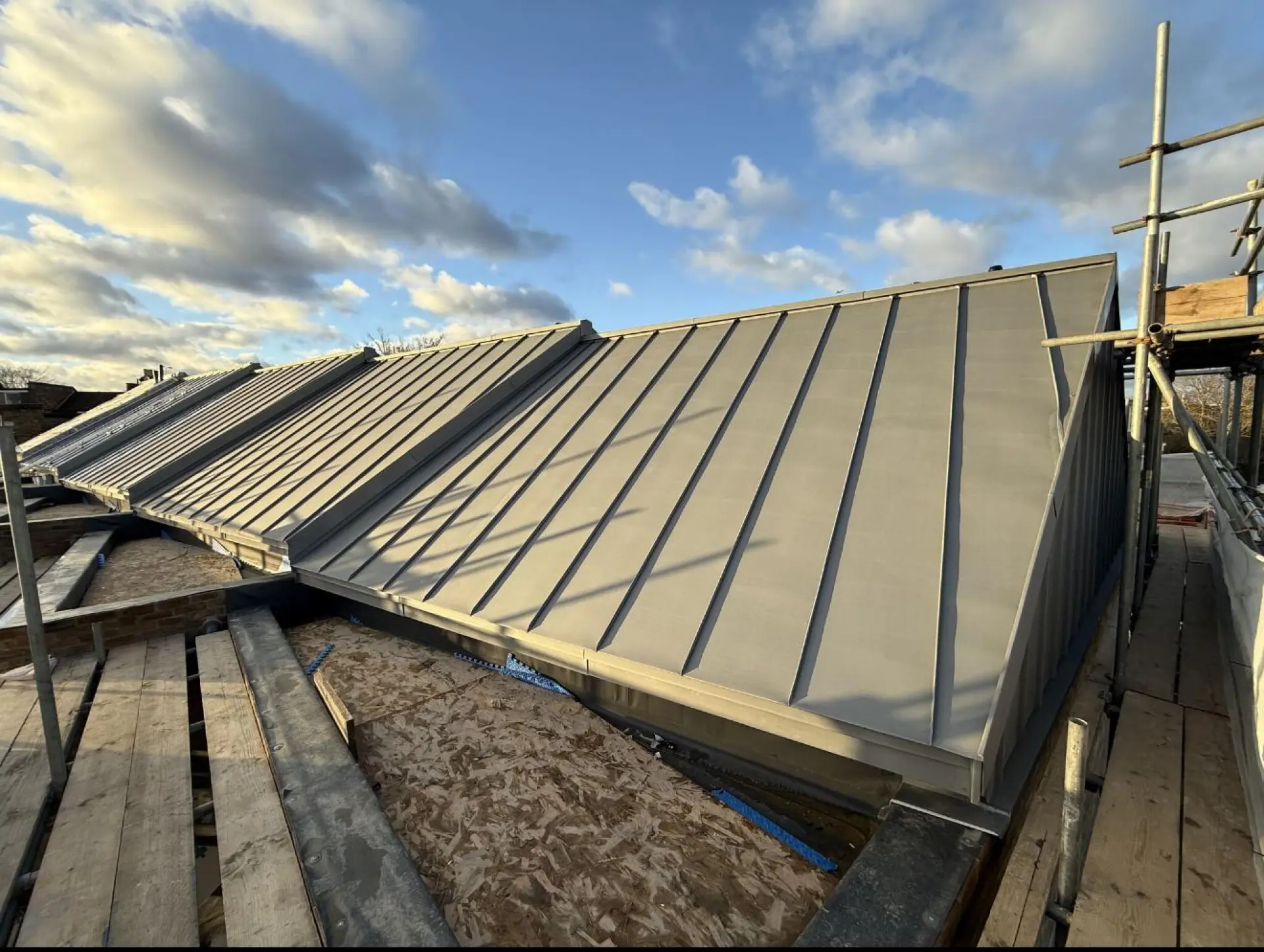
Aluminium describes the metal, not the roof profile. Standing-seam roofing, tiles and other profiled systems can have different attachment arrangements. Record the manufacturer, product, panel layout and supporting construction. For an existing roof, drawings and installation records are more useful than an assumption based on appearance.
Riverside provides aluminium roofing for domestic and commercial projects. When solar is part of the brief, tell the roofing team which mounting system is proposed. Keeping the roof product and bracket references together allows compatibility questions to be answered before the installation reaches site.
Treat the load path as a complete system
The panels are only one part of the additional installation. Rails, brackets, fixings and environmental loads also need consideration, together with the forces transferred into the roofing and supporting structure. A roof covering may be in good visible condition without its capacity for a new array having been established.
Ask who will check the structure and the attachment arrangement, and request confirmation of the approved layout. The design should address the actual building, including roof zones and exposure, rather than simply multiplying a bracket rating by the number of brackets. Changes to the array or mounting positions should return to the responsible designers for review.
Are you considering metal roofing installation or replacement?
Riverside provides metal roofing installation, replacement, repairs and cladding for homes and commercial buildings across London, Oxfordshire and Cambridgeshire. Our services include zinc, copper and aluminium roofing, with coverage in the following areas:
Use product-specific mounting information
One manufacturer’s published mounting instructions illustrate why generic advice is insufficient. PREFA’s PREFALZ solar-panel guidance specifies particular standing-seam products and coil widths of 500 mm or 650 mm, together with a fully supported substrate of at least 24 mm for that described system. These are product requirements, not universal dimensions for every aluminium roof. See the manufacturer’s installation guidance.
Ask for the current instructions for the exact proposed combination of roof and mount. A bracket approved for one seam shape or sheet specification should not be substituted onto another because the names sound similar. The agreed roof specification should remain identifiable throughout procurement and installation.
Allow the roof and mounting system to move
Metal roofing changes dimension as its temperature changes. A mounting arrangement must work with the movement strategy of the roof and its clips, rather than unintentionally restraining long panels. The relevant details depend on the roof and bracket products, their positions and the structure beneath them.
PREFA’s PREVARIO Sunny guidance, for example, expressly addresses compatibility with PREFALZ sliding clips. Use such information as a prompt to ask how movement is handled on your chosen system. It is not a reason to improvise a similar-looking detail on a different roof.
Plan cables, drainage and maintenance access
Agree where cables will enter the building and which specialist will detail any roof penetration. Cable supports and routes should be shown alongside the array so they do not become last-minute additions. Also retain access to outlets and other roof features that need inspection or maintenance.
Consider the order in which components could be removed for a future roof repair. If a gutter, flashing or outlet cannot be reached without dismantling a large part of the array, discuss that consequence before signing off the layout. Record the responsibilities for disconnecting electrical equipment and for repairing the roofing separately; neither should be left to assumption.
Bring the roof and solar teams into one brief
For a new roof, coordinate the covering, mounting layout and installation sequence before the roof details are finalised. On an existing roof, first establish whether repairs or replacement are needed. Installing equipment over a covering that already needs substantial work can create avoidable removal and reinstatement later.
For a home in Cambridge or a commercial project elsewhere in our service areas, Riverside can discuss the roof installation, replacement or repair scope. Our metal roofing services and commercial roofing services should be coordinated with a suitably qualified solar specialist. Ask for product references, drawings, inspection information and clear responsibility for each interface at handover.
Plan a Roof Ready for Solar
Share your proposed array layout and aluminium roof requirements so we can discuss the roofing work and its interfaces.