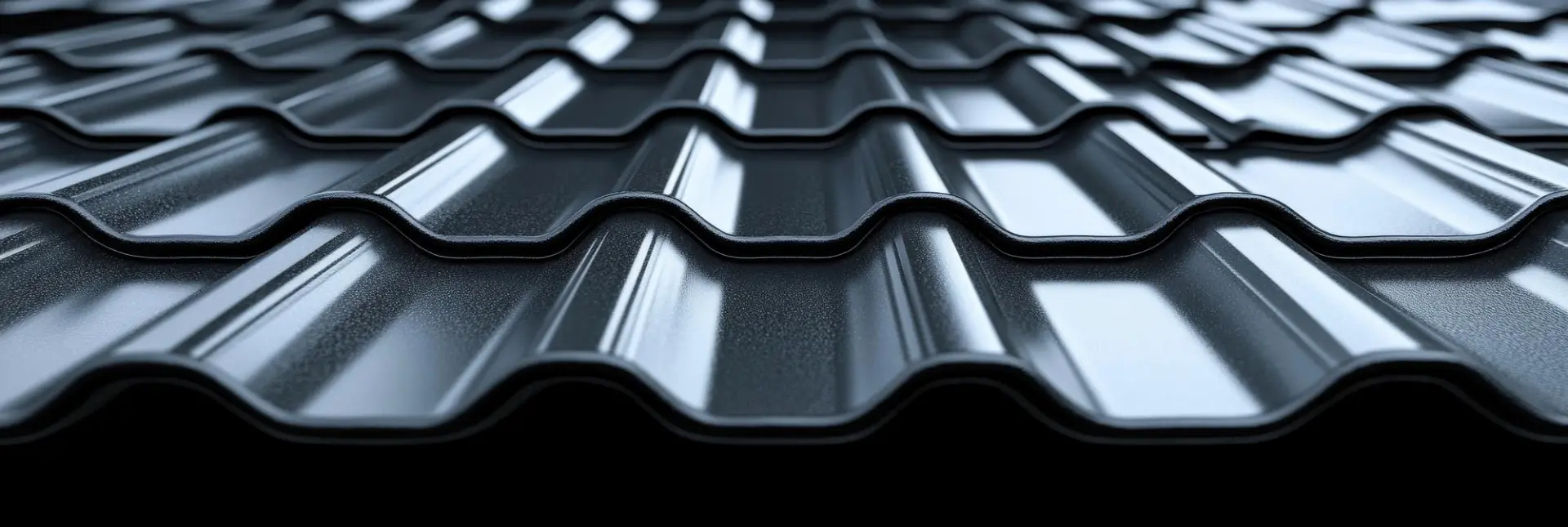
Discover the pros and cons of zinc roofing for your home. Learn how zinc offers durability, low maintenance, and eco-friendly benefits in the UK climate.
How Does Zinc Roofing Work?
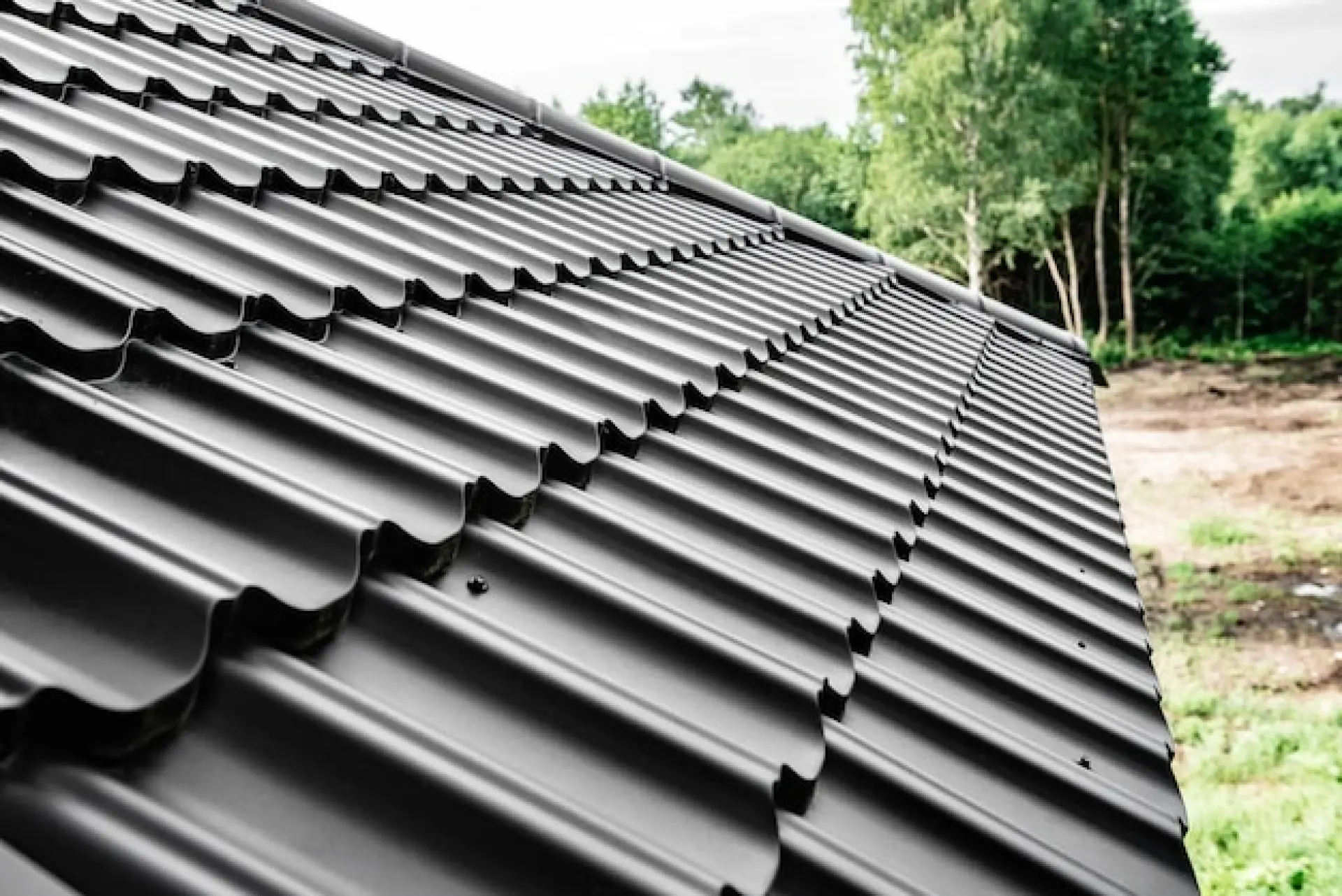
Zinc roofing uses sheets or panels of zinc to form a strong, weatherproof layer over a roof. The metal is usually fitted in long sections, often with raised seams that help guide rainwater away from the building. These seams also allow the metal to expand and contract as the temperature changes
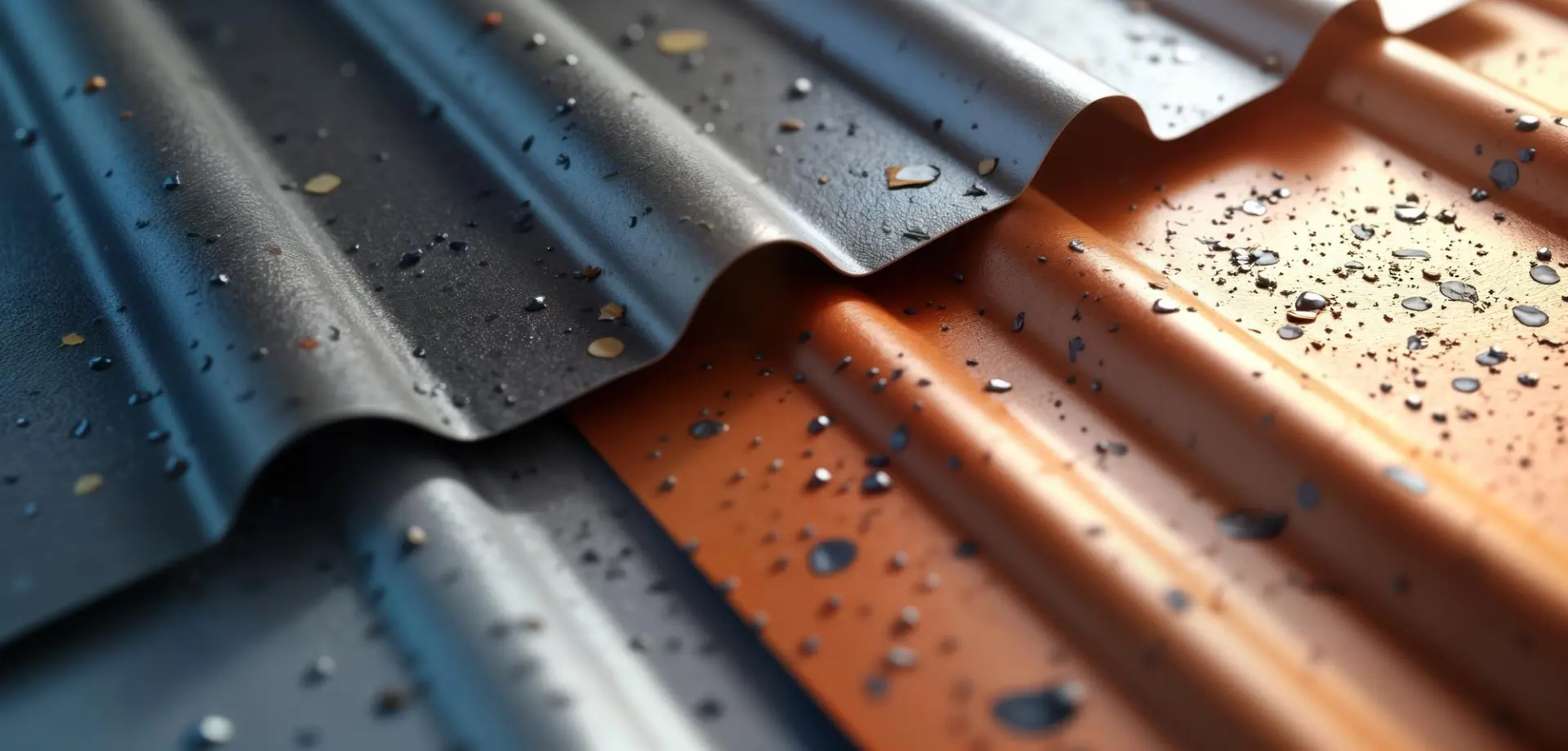
One of the key features of zinc is the way its surface changes over time. When zinc is exposed to air and moisture, it forms a thin protective layer called a patina. This layer helps shield the roof from rust, wear, and weather damage. It also gives zinc roofing its soft grey appearance, which many people like for modern homes.
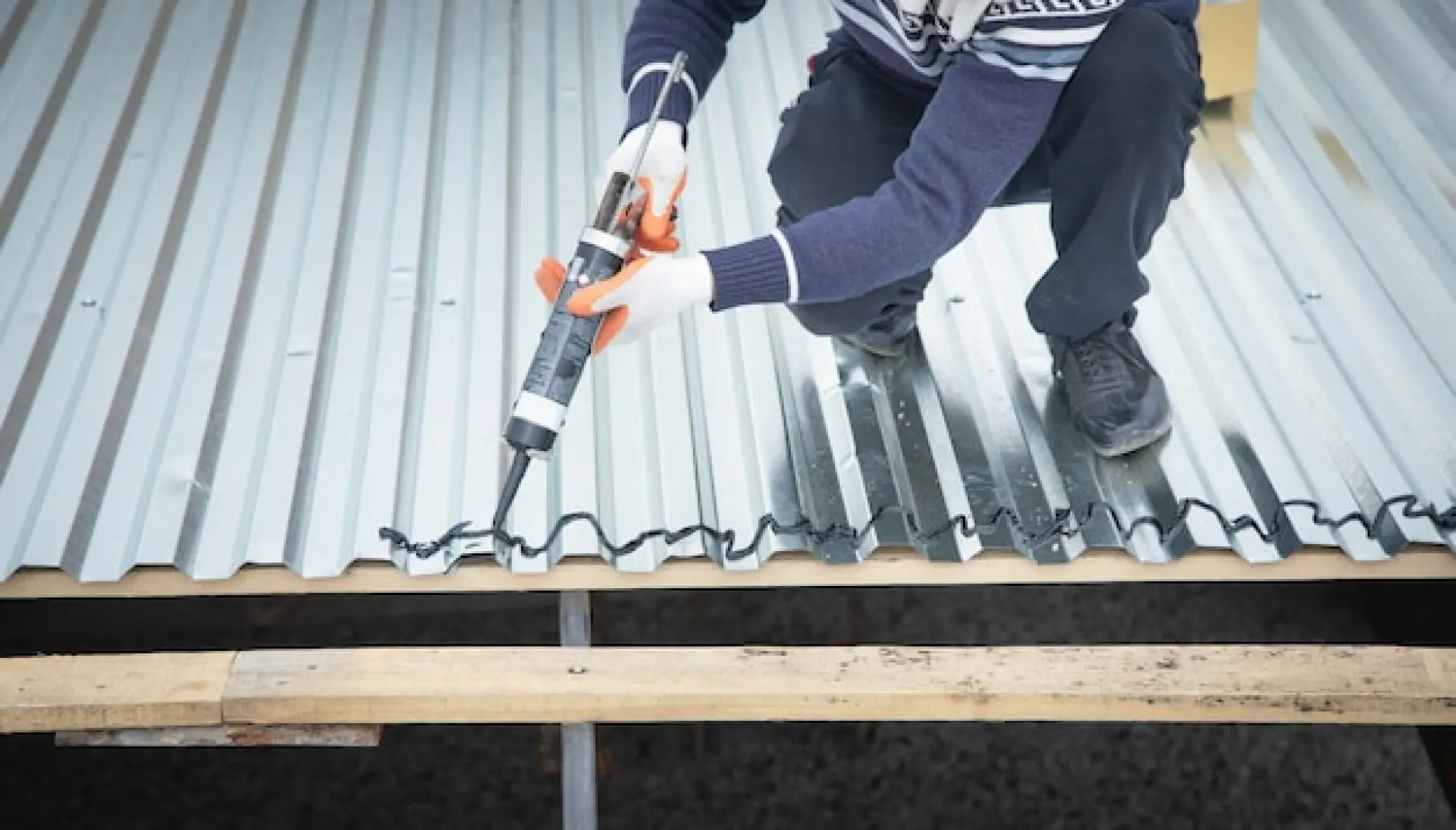
Zinc roofs are commonly used on house extensions, garden rooms, garages, and full roof coverings. They work best when fitted by skilled installers who understand ventilation, drainage, and the correct fixing methods.
The Main Advantages of Zinc Roofing
Zinc roofing has several advantages for homeowners who want a roof that is durable, neat, and easy to look after. Its main strength is the way it balances practical performance with a clean appearance. It can suit modern houses, simple extensions, garden rooms, garages, and some more traditional homes when the design is handled with care.
One of the biggest benefits is that zinc can last for many decades when fitted correctly. This long life can make the higher starting price easier to accept, because the roof should not need replacing as often as some other materials. Zinc also needs very little routine care. It does not usually need painting, sealing, or regular surface treatment.
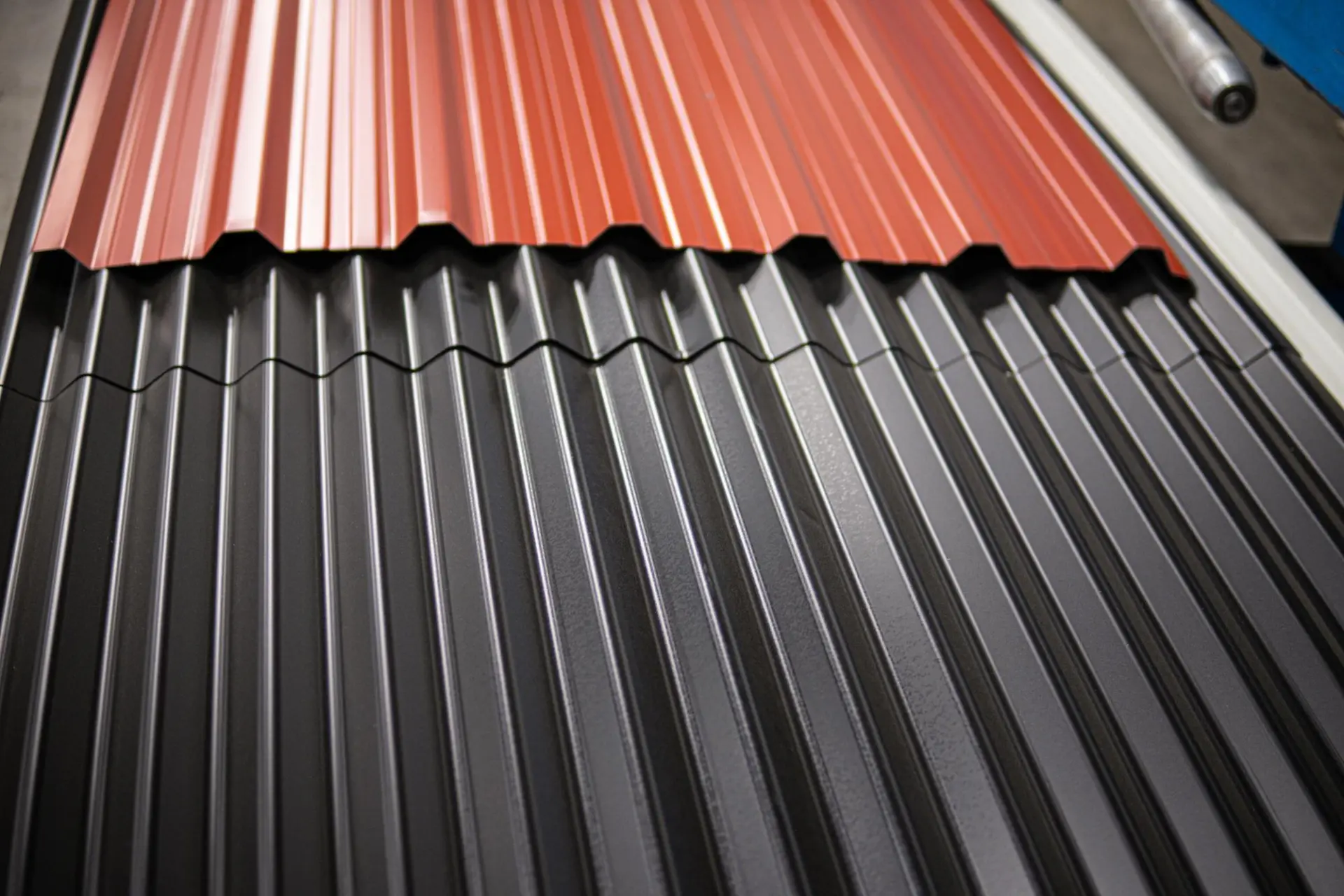
Weather resistance is another important benefit. Zinc can cope well with rain, frost, wind, and sunlight. Its natural patina helps protect the metal and can slowly cover light marks. This makes the roof strong while also helping it age in an attractive way.
Zinc can also be seen as a more responsible material choice. It can often be recycled, and its long life can reduce waste. For homeowners who like a simple, grey, modern finish, zinc gives a smart result without looking too heavy or decorative.
These benefits make zinc a popular choice for people who value long-term quality, low upkeep, and a roof that looks calm and carefully designed. It is also useful on awkward roof shapes, because the metal can be formed neatly around curves, edges, and roof windows when planned properly too.
Long Lifespan
A long lifespan is one of the clearest reasons to consider zinc roofing. When the roof is designed and fitted correctly, zinc can last for many decades. This makes it a strong choice for homeowners who want a roof that will not need regular replacement. The main reason zinc lasts so well is its protective patina. This thin surface layer forms naturally when the metal is exposed to air and moisture. It helps shield the roof from weather damage and slows down wear over time.
A long-lasting roof can also give better value across the life of a home. Although zinc often costs more at the start, fewer major repairs and replacements may make it worthwhile later.
However, the lifespan depends on good installation. Poor ventilation, standing water, or unsuitable materials nearby can shorten the life of the roof. A skilled installer is essential for getting the best result possible.
Low Maintenance
Zinc roofing is often chosen because it needs little maintenance once it has been installed properly. Many roofing materials need regular painting, sealing, cleaning, or treatment to stay in good condition. Zinc is different because its natural surface protection does much of the work on its own.
The patina that forms on zinc helps protect the roof from weather damage. This means the surface does not usually need to be coated again and again. Light marks may become less visible as the patina continues to develop. For a busy homeowner, this can make zinc a practical choice.
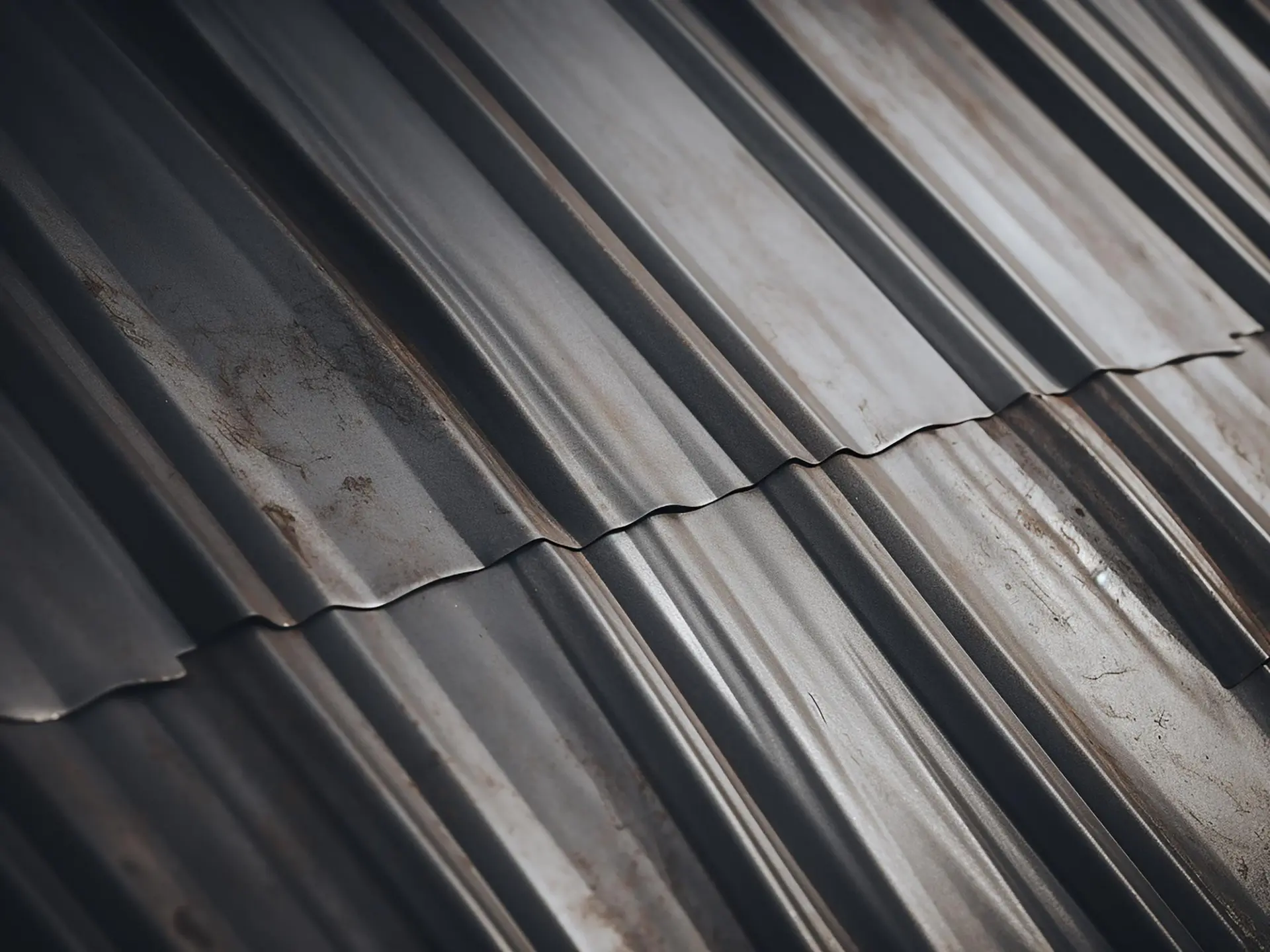
Low maintenance does not mean no care at all. Gutters should still be kept clear so rainwater can flow away. Leaves, moss, and debris should not be allowed to sit on the roof for long periods. It is sensible to check the roof after strong winds or heavy rain, especially around edges, outlets, and roof windows.
Good design helps reduce maintenance even further. The roof should have the right fall, proper drainage, and enough airflow beneath the zinc. If moisture becomes trapped, problems can develop over time. The installer should use suitable fixings and details so the zinc can move as temperatures change.
When these details are correct, zinc roofing can be one of the easier roof types to live with. It gives homeowners a smart, durable covering without creating a long list of regular jobs. This is one of the main reasons it remains popular for extensions and home projects.
Strong Weather Resistance
Zinc roofing offers weather resistance, which is valuable in the UK climate. A roof may face heavy rain, frost, wind, bright sun, and quick temperature changes during the year. Zinc can cope with these conditions when it is fitted as part of a well-designed roof system.
The surface of zinc does not absorb water like some materials. Rain can run away easily if the roof has the right slope and clear drainage routes. The protective patina also helps the metal resist everyday weathering.
Zinc can expand and contract as temperatures change, so the roof details must allow movement. This is why standing seams and correct fixings matter. They help the metal stay secure without being held too tightly.
Weather resistance still depends on careful work around joints, corners, roof lights, and gutters. If these details are poor, leaks can still happen. Good fitting protects the roof and the home beneath.
Natural Self-Healing Surface
Zinc roofing is well known for its natural self-healing surface. This phrase does not mean that the roof can repair serious dents, cuts, or damage caused by heavy impact. It means that light scratches can become protected again as the zinc reacts with air and moisture.
The patina on zinc is the reason this happens. Over time, the surface forms a thin layer that protects the metal beneath. If the surface is lightly marked, the patina can slowly develop over the scratch. This helps the roof keep its strength and appearance without the need for paint or frequent touch-ups.
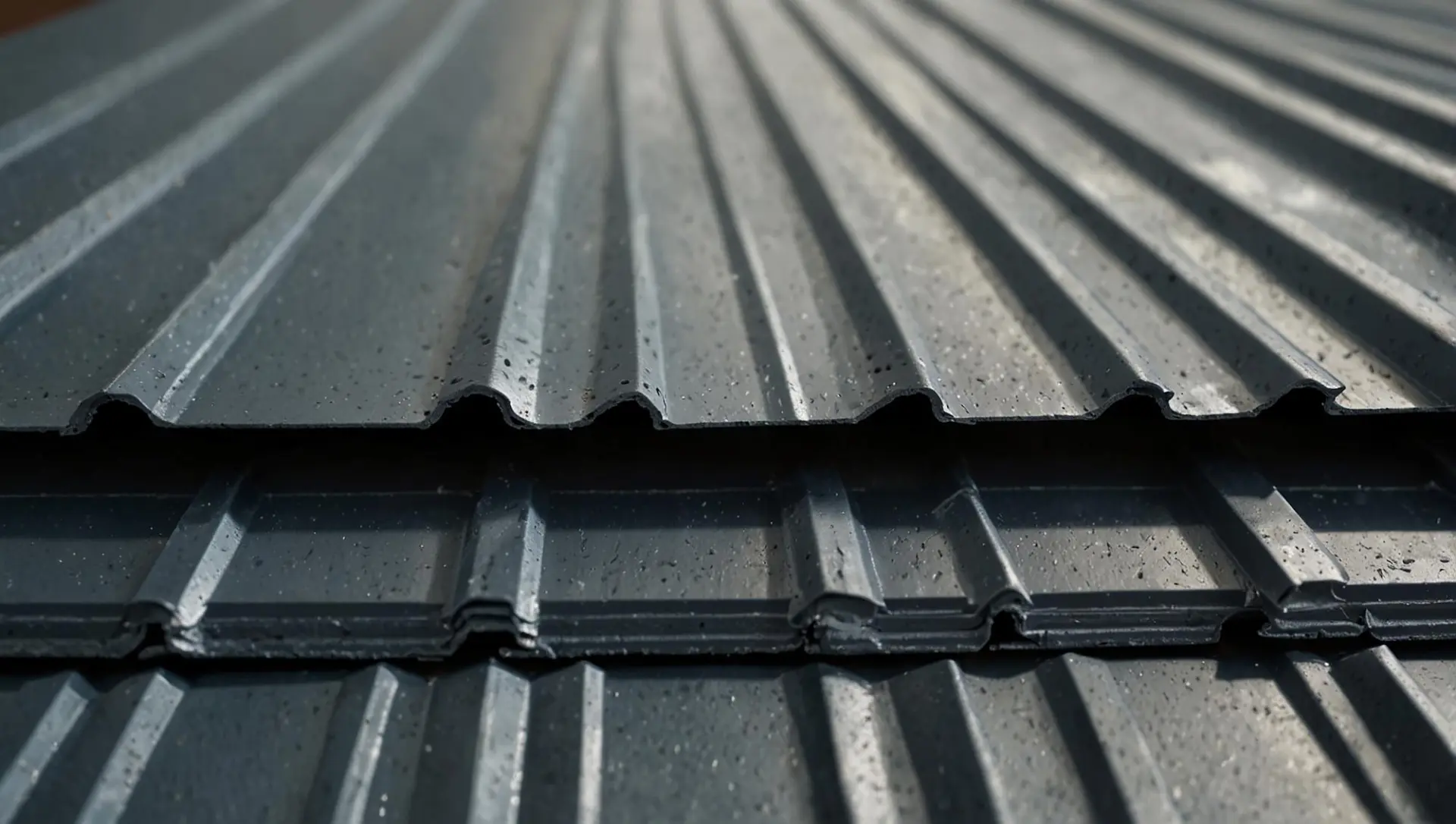
This is useful because roofs are exposed to many small risks. Branches, wind-blown debris, maintenance work, and general weather can all leave marks. On painted materials, a scratch may expose the layer below and lead to peeling or further damage. Zinc is less dependent on a coating, so small surface marks are often less worrying.
The self-healing quality works best when the roof has the right conditions. Good airflow, correct drainage, and suitable materials nearby all matter. If water sits on the roof for too long, or if the zinc is in contact with the wrong substances, the surface may not perform as expected.
For many homeowners, this natural protection is a major benefit. It supports long life, reduces upkeep, and helps the roof age in a smooth and attractive way. It also means the roof can keep a consistent finish as years pass, rather than showing every minor mark clearly.
Eco-Friendly Material
Zinc can be an eco-friendly roofing material when it is used well. One reason is its long lifespan. A roof that lasts for decades usually creates less waste than a roof that needs to be replaced more often. This can reduce the amount of old material sent for disposal.
Zinc can also often be recycled, which adds to its appeal for homeowners who want a more responsible choice. Because it does not usually need regular painting or chemical treatment, fewer extra products may be needed during its life.
It is important to be realistic. Zinc still has to be mined, processed, and transported, so it is not free from environmental impact. The best results come when the roof is designed to last as long as possible.
Choosing an experienced installer, using correct materials, and keeping drainage clear can all help the roof reach its full life and reduce waste overall.
Attractive Modern Appearance
Zinc roofing is often chosen for its attractive modern appearance. It has a smooth, simple finish that can make a home look clean and well designed. This is why it is common on extensions, dormers, garden rooms, and new houses with a contemporary style.
The natural grey tone of zinc is one of its most recognisable features. It can work well beside brick, timber, stone, glass, and render. Instead of drawing too much attention, it often gives the building a calm and balanced look. As the patina forms, the colour can become softer and more even, which many people find appealing.
Zinc also suits neat roof details. Standing seams can create long lines that add shape without making the roof look busy. The material can be formed around curves, edges, and roof windows more easily than some heavier roof coverings. This gives designers and homeowners more freedom.
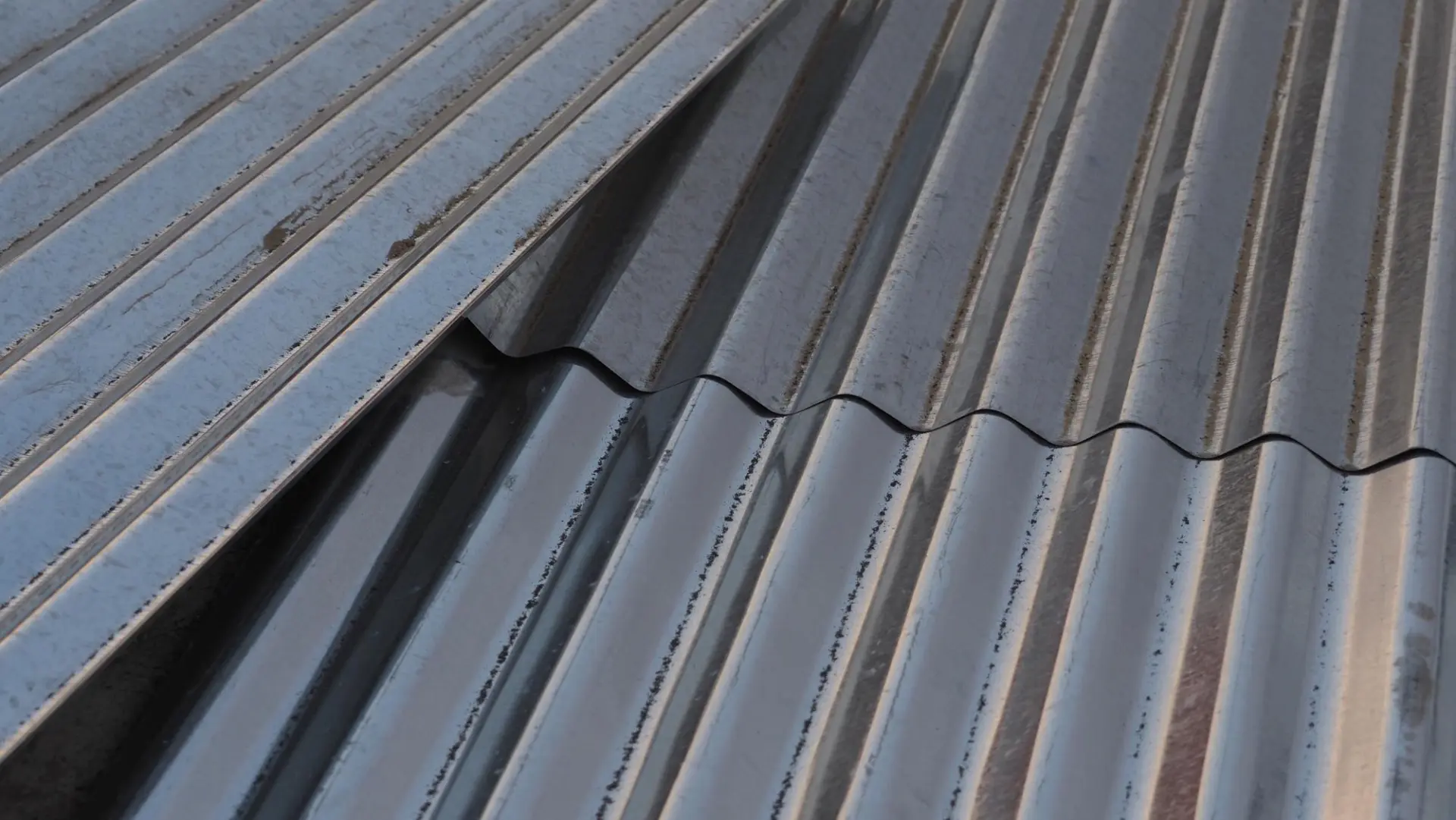
However, the appearance will not suit every property. Some people prefer the warmth of clay tiles or the traditional look of slate. Others may feel that zinc looks too plain or too industrial. Its limited colour range can also be a drawback if the home needs a warmer or brighter finish.
For the right property, zinc can add a high-quality look that feels both practical and stylish. It is especially effective when the rest of the design is simple, with clean lines and careful detailing. In those settings, zinc can make the roof feel like a planned feature rather than a basic covering.
The Main Disadvantages of Zinc Roofing
Zinc roofing has many strengths, but it also has disadvantages that should be considered before work begins. The first issue is cost. Zinc usually costs more at the start than many common roof coverings, and the installation can also be more expensive because it needs specialist skill.
Another concern is poor installation. Zinc must be fitted with correct ventilation, drainage, fixings, and movement gaps. If these details are wrong, the roof may leak, corrode, or fail earlier than expected.
Zinc can also react badly with some materials. Contact with unsuitable metals, chemicals, or water run-off can lead to corrosion. Noise may be another drawback, especially during heavy rain if the roof is not built with enough insulation.
The colour range is limited too, mostly sitting within grey tones. For some homes this looks smart, but for others it may feel too plain. These issues should be weighed against the benefits.
Higher Upfront Cost
Higher upfront cost is one of the main reasons some homeowners decide against zinc roofing. Zinc is more expensive than many standard roof coverings. The material itself can cost more, and the labour cost is often higher because the work needs careful skill and experience.
This can make zinc difficult for projects with a strict budget. A homeowner may like the look and long lifespan, but the starting price can still be hard to manage. The cost may be especially noticeable on larger roofs, complex shapes, or projects with many roof windows, corners, and details.
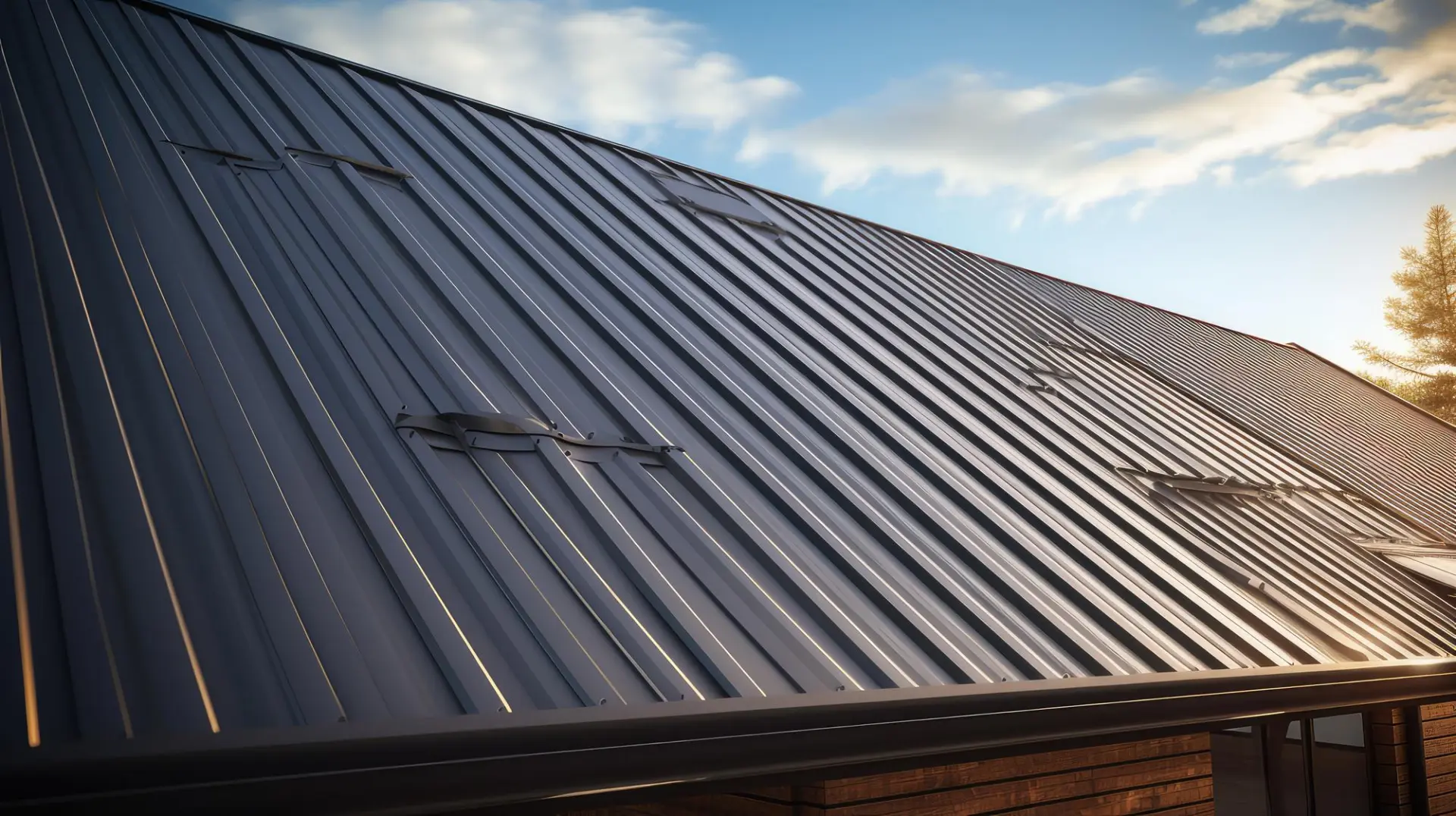
It is important to judge the cost over the full life of the roof, not only on the first quote. Zinc can last for many decades and usually needs little maintenance. This means it may offer good long-term value, even if it costs more at the beginning. A cheaper roof may need more repairs or an earlier replacement.
Even so, the long-term value only works if the roof is fitted properly. Choosing the cheapest installer can be risky if the quote leaves out important details such as ventilation, underlayers, drainage, or correct fixings. A poor installation can lead to leaks, corrosion, and expensive repairs.
Before choosing zinc, homeowners should ask for detailed quotes and compare what is included. The best price is not always the lowest price. It is the price that covers the right materials, skilled labour, and a roof system designed to last for many years. This makes budgeting important before work starts.
Risk of Poor Installation
Poor installation is a serious risk with zinc roofing. Zinc is not a material that should be fitted by someone without the right experience. It expands and contracts as temperatures change, so the installer must allow for movement. If the sheets are fixed too tightly, they may bend, split, or pull away over time.
Ventilation is also important. If moisture becomes trapped beneath the zinc, damage can form on the underside of the roof. The roof also needs the right slope, good drainage, and careful details around openings and edges.
Poor work can remove many of zinc’s benefits. A roof that should last for decades may need repairs much sooner. Leaks, corrosion, and noise problems can all be linked to bad fitting.
Homeowners should choose an installer with proven zinc roofing experience. Asking to see past work and a clear written quote can help reduce the risk before work begins.
Possible Corrosion Issues
Zinc is valued for its resistance to corrosion, but it can still be damaged if the roof is designed or installed badly. The risk is usually linked to moisture, unsuitable materials, or poor drainage. This means corrosion is not a reason to reject zinc completely, but it is something that must be planned for.
One common issue is contact with certain other metals. For example, water running from copper onto zinc can cause problems. Some treated timbers, chemicals, and cleaners may also be unsuitable. The installer should know which materials can be used safely near zinc and which ones must be kept separate.
Ventilation is another important point. Zinc needs the right roof build-up so moisture can escape. If warm, damp air becomes trapped below the metal, corrosion may start on the underside. This hidden damage can be harder to spot than marks on the outer surface.
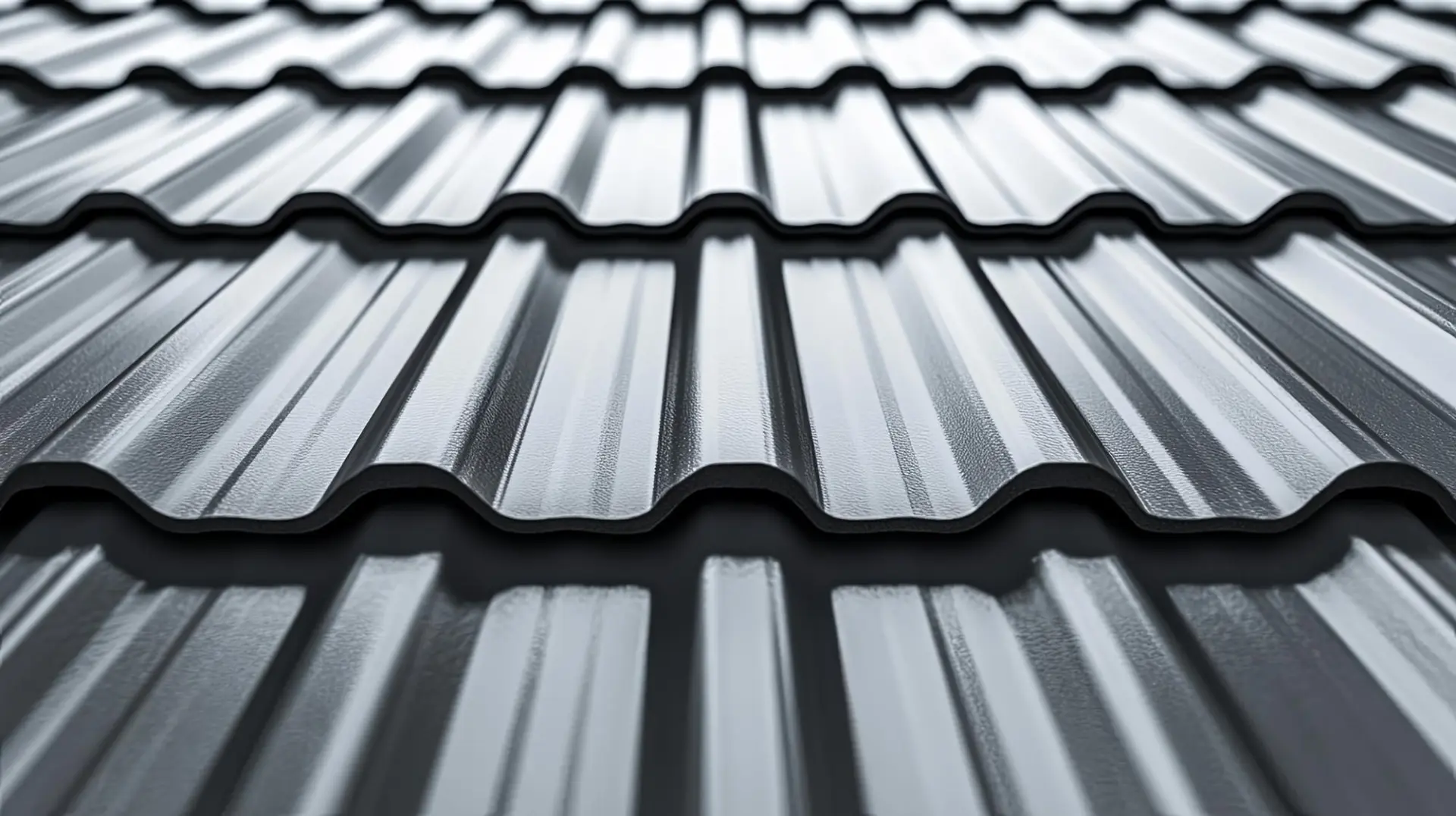
Drainage also matters. Zinc roofs should not hold standing water for long periods. A suitable roof slope, clear outlets, and clean gutters help rainwater leave the surface quickly. Leaves and debris should not be allowed to block drainage routes.
Most corrosion risks can be reduced through good design and skilled fitting. The correct underlayers, fixings, separation materials, and drainage details all help protect the roof.
Homeowners should ask their installer how these issues will be managed before agreeing to the work. This question can prevent problems later. Regular checks after weather can help spot blocked outlets, trapped debris, or early signs of damage.
Noise During Heavy Rain
Noise during heavy rain can be a disadvantage of zinc roofing. Because zinc is a metal, it can carry sound more than some heavier materials, such as tiles or slate. Rain, hail, or wind-blown debris may sound louder if the roof build-up is thin or poorly insulated.
This does not mean every zinc roof will be noisy. A well-designed roof can include insulation, boards, and underlayers that reduce sound before it reaches the room below. The shape of the roof and the use of the room also matter. Noise may be more noticeable in bedrooms, offices, or quiet living areas.
It is best to think about sound control before the roof is installed. Adding the right layers during the build is easier than trying to fix noise later.
Homeowners should ask how the roof will reduce rain noise. Good planning can make zinc comfortable even during heavy weather indoors too.
Limited Colour Choices
Limited colour choice is another possible drawback of zinc roofing. Most zinc roofs sit within a narrow range of grey tones. These can include bright silver-grey, mid-grey, and darker finishes. For many homes this looks smart and modern, but it will not suit every style or taste.
Some homeowners want a roof that matches existing tiles, brickwork, painted windows, or other details. Zinc may not offer the warm reds, browns, greens, or deep colours that they have in mind. This can make it harder to use on homes where a traditional or colourful roof is preferred.
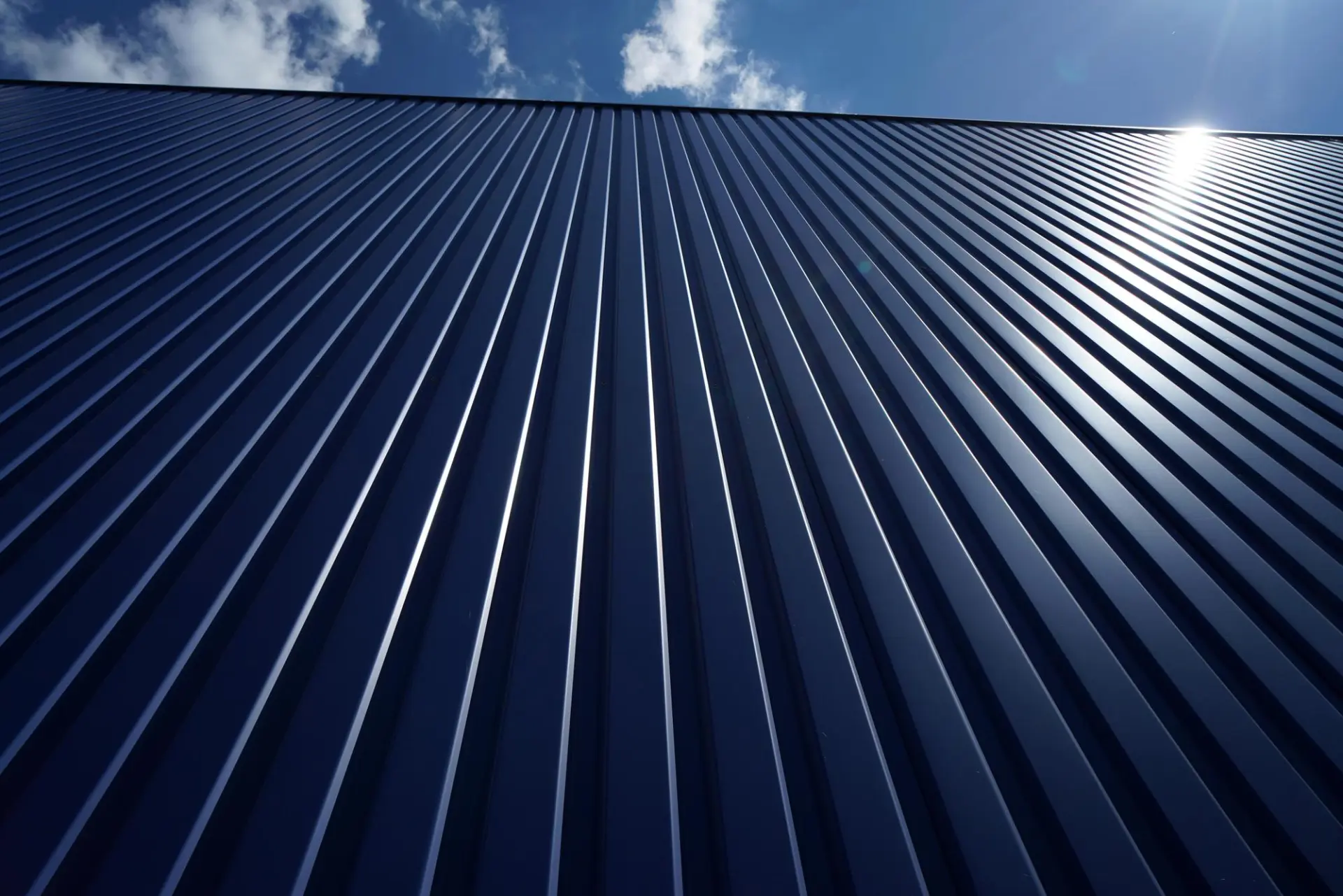
The surface colour can change over time as the patina forms. This is a part of zinc roofing and is often seen as a benefit. However, it means the roof may not look exactly the same in ten years as it did when it was first fitted. Anyone choosing zinc should be comfortable with this gradual change.
There are pre-weathered zinc finishes that give a more settled appearance from the start. These can help if the homeowner wants the roof to look aged straight away. Even with these options, the colour range is still more limited than many painted metal systems or tile ranges.
For people who like a calm grey finish, this is not a problem. For those who want a bold or specific colour, zinc may feel restrictive. The best approach is to view samples in light and compare them with the rest of the property before making a choice.
Is Zinc Roofing Right for Your Home?
Zinc roofing may be right for your home if you want a durable roof with a clean, modern look. It is especially suitable for extensions, garden rooms, dormers, garages, and homes with simple roof shapes. It can also work well where low maintenance and long service life are important.
However, zinc is not the best choice for every project. The upfront cost is higher than many common roof coverings, so the budget needs to be realistic. You also need an installer with proper zinc roofing experience. Without skilled fitting, the roof may not perform as expected.
Think about the style of your home too. Zinc suits grey, simple, and modern designs, but it may not match every older property. Colour choice is limited, and rain noise should be planned for.
If the design, budget, and installer are right, zinc can be a strong and attractive roofing choice for many homes.
Final Thoughts on Zinc Roofing
Zinc roofing can be an excellent choice for the right home. It offers a strong mix of long life, low maintenance, weather resistance, and modern appearance. Its natural patina helps protect the surface and allows light scratches to blend in over time. This gives zinc a useful advantage over materials that rely on paint or regular treatment.
The benefits are clear, but they should be balanced against the drawbacks. Zinc usually costs more at the start, and it must be installed by someone with the right skill. Poor fitting can lead to leaks, corrosion, noise, and a shorter lifespan. The roof also needs good ventilation, correct drainage, and careful separation from unsuitable materials.
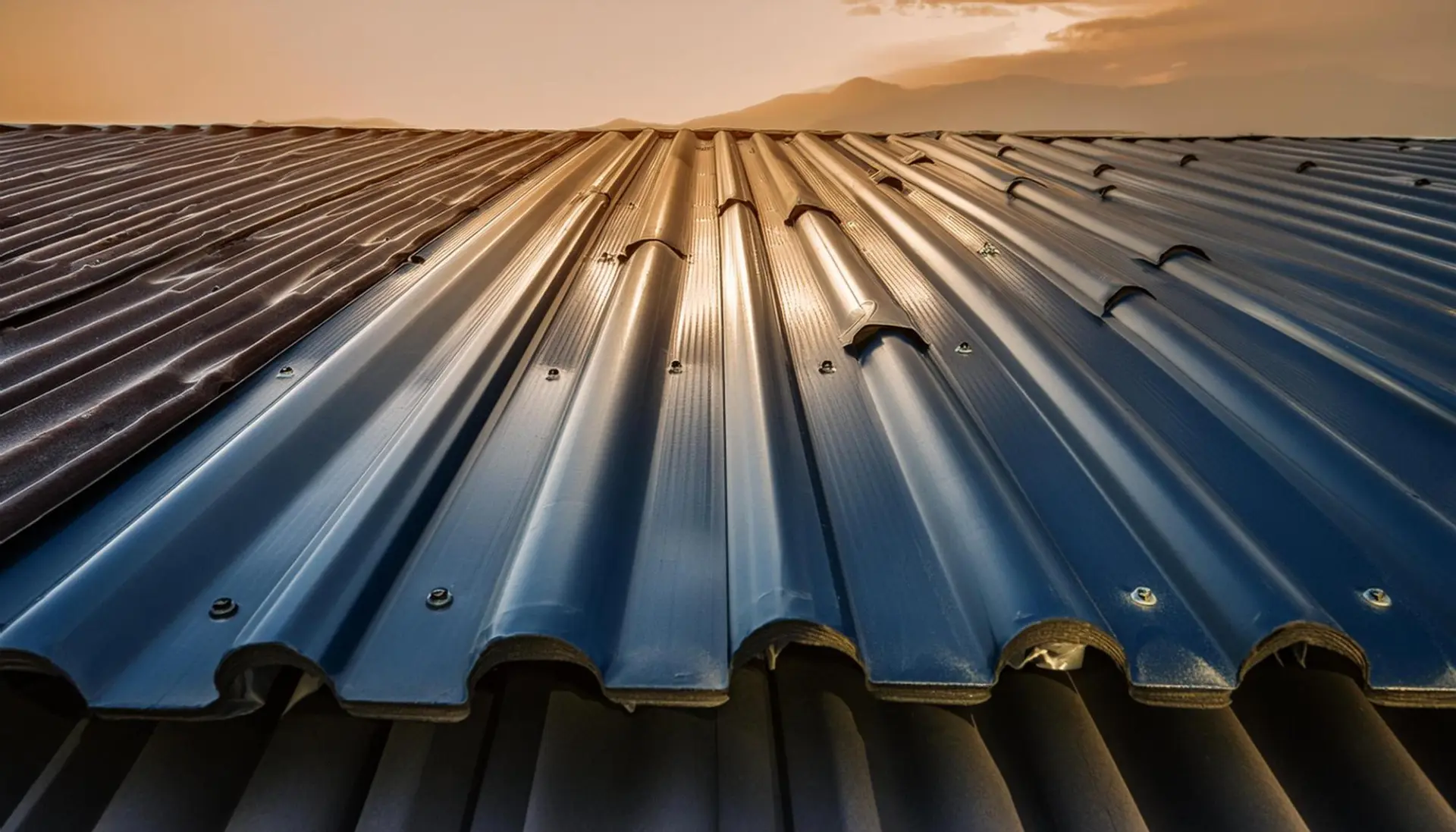
Appearance is another point to consider. Many people like the calm grey finish of zinc, especially on modern extensions and simple roof shapes. Others may prefer the warmer or more traditional look of tiles or slate. The limited colour range means zinc is not ideal for every design.
The best decision comes from looking at the full project. Consider the budget, the age and style of the property, the shape of the roof, and the experience of the installer. It is also sensible to compare zinc with other roofing materials before making a final choice.
For homeowners who want a long-lasting roof and are willing to invest in good design and workmanship, zinc can be a smart and attractive option. Chosen carefully, it can protect a home for many years while giving it a neat, high-quality finish.
Zinc roofing is a strong, long-lasting and low-maintenance choice for homes, extensions, commercial buildings and heritage projects. With a natural protective patina, a clean architectural finish and a lifespan of more than 100 years, it offers both style and reliable weather protection. Riverside installs zinc roofing and cladding systems with careful detailing, hidden fixings and a neat finish built to suit each property.