Wondering why is a zinc roof better than other materials? Discover the durability, low maintenance, and sleek modern look zinc offers for your UK home.
What Is a Zinc Roof?
A zinc roof is a metal roofing system made from zinc sheets or panels. These sheets are usually fitted over a strong roof deck, with insulation, underlay, and ventilation beneath. Many zinc roofs use standing seams, which are raised joints that connect the sheets and help rainwater run off the roof.
Zinc is popular because it changes naturally when exposed to air and moisture. Over time, it forms a thin protective surface called a patina. This layer helps protect the roof from weather damage and gives zinc its soft grey colour.
A zinc roof can be used on house extensions, garden rooms, dormers, garages, and full roof coverings. It is often chosen for modern homes because it looks neat and simple. It can also suit older buildings when the design is careful. For the best results, it must be installed by someone who understands zinc roofing and proper roof ventilation.
Zinc Roofing Compared With Slate
Slate is a traditional roofing material known for its natural beauty and long lifespan. It can look excellent on older homes and period properties. However, slate is heavy, which means the roof structure must be strong enough to support it. Zinc is much lighter, so it can be easier to use on extensions, modern builds, and some roof shapes where weight matters.
Both zinc and slate can last for many years when installed well. The difference is in appearance, flexibility, and maintenance. Slate gives a more classic look, while zinc gives a cleaner, more modern finish. Zinc can also be shaped around curves, edges, and roof windows more easily than slate.
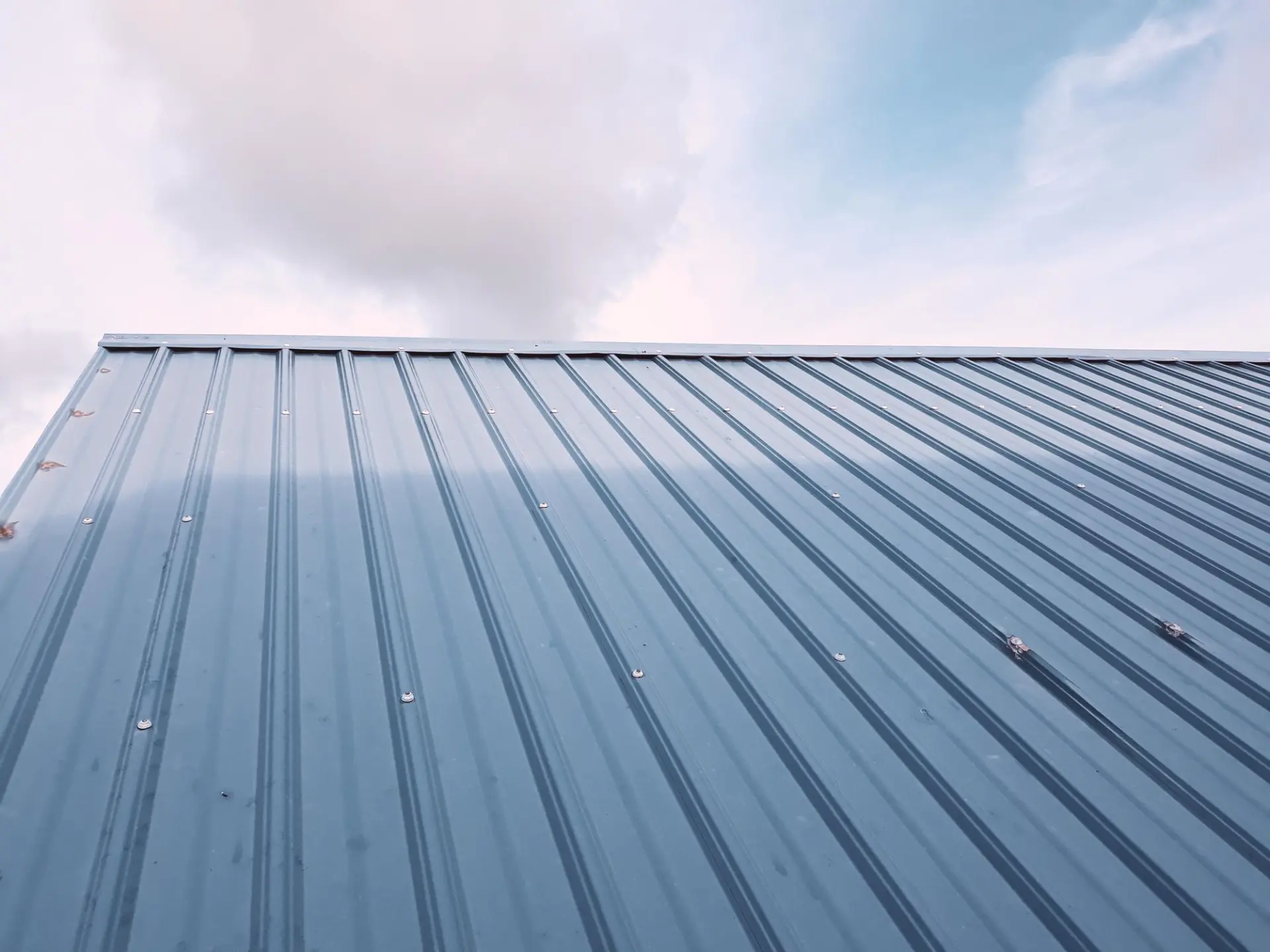
Slate roofs may need broken or slipped pieces replacing over time. Zinc usually needs less routine care because its natural patina protects the surface. It does not normally need painting or sealing.
Cost can depend on the type of slate, the roof size, and the labour needed. High-quality slate can be costly, especially when the roof has many details. Zinc can also be expensive, but it may be quicker to fit on certain designs.
For a traditional home, slate may still be the better visual match. For a modern roof, a low-maintenance extension, or a lighter roof covering, zinc can be the stronger choice. It offers a smooth finish, good durability, and useful design freedom without the weight of slate. This makes it a practical option for many current home projects.
Zinc Roofing Compared With Tiles
Roof tiles are one of the most common choices for homes. Clay and concrete tiles are familiar, widely available, and often suitable for traditional house styles. They can also be cheaper than zinc at the start, which makes them appealing for many projects.
Zinc offers different benefits. It is lighter than many tile systems and can give a cleaner, more modern look. It is also useful for roof shapes where tiles may be harder to fit neatly, such as low pitches, curves, and detailed extensions.
Tiles can crack, slip, or become loose over time, especially after frost, strong wind, or impact. They may also collect moss and need occasional cleaning or repair. Zinc usually needs less regular attention because its protective patina helps the surface last.
Tiles remain a good choice for many homes, but zinc can be better when the aim is a sleek, durable, and low-maintenance roof.
Zinc Roofing Compared With Steel
Steel roofing is strong, widely used, and often cheaper than zinc. It can be supplied in different colours and finishes, which gives homeowners more design choice. For some buildings, steel is a practical and cost-effective option. However, zinc has several advantages when long-term performance and natural protection are important.
Steel usually relies on coatings or paint to protect it from corrosion. If that coating is scratched or damaged, the exposed steel may begin to rust. Zinc works differently. It forms its own protective patina, which helps guard the surface and can cover light scratches over time. This makes zinc less dependent on a separate coating.
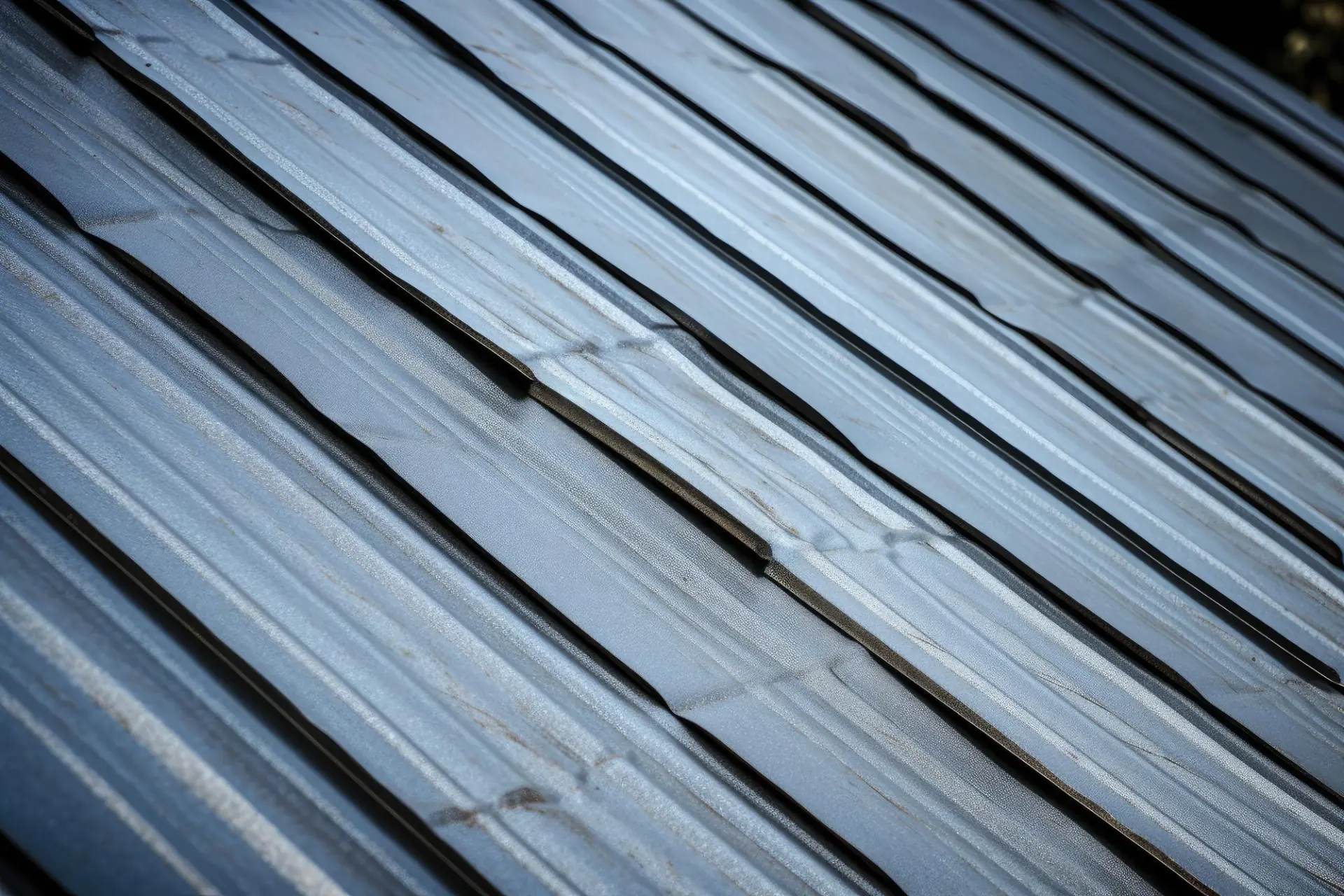
Zinc also tends to age in a more natural way. Its grey finish slowly settles as the patina develops. Steel may keep its colour well if the coating is high quality, but it can fade, chip, or need repainting later. Both materials can be noisy in heavy rain if the roof is not built with enough insulation.
Both also need correct installation. The difference is that zinc is often chosen when the homeowner wants a roof that will look simple, age gracefully, and need little surface treatment.
Steel may be better when budget and colour choice are the main concerns. Zinc may be better when lifespan, low maintenance, and a refined appearance matter more. For many modern homes and extensions, zinc offers a more premium finish and a more natural form of long-term protection. It is especially useful where the roof is a visible design feature.
Zinc Roofing Compared With Lead
Lead has been used on roofs for centuries, especially on churches, heritage buildings, valleys, bays, and detailed roof areas. It is flexible and long-lasting when fitted correctly. However, it is very heavy and usually needs skilled handling.
Zinc is also long-lasting but is lighter than lead. This can make it more suitable for modern extensions and larger roof areas where reducing weight is helpful. Zinc also has a clean, modern look, while lead has a more traditional appearance.
Lead can be costly, and there may be concerns about theft in some areas because of its value. Zinc can provide a similar high-quality metal roof feel without some of those concerns.
Both materials need expert installation. Lead may still be best for certain heritage details, but zinc is often more practical for modern homes. It offers durability, lower weight, and a smart finish that suits current building designs.
Why Choose Zinc Over Other Roofing Materials?
Zinc is often chosen over other roofing materials because it offers a strong mix of durability, appearance, and low maintenance. It is not always the cheapest option, but it can give excellent long-term value when fitted correctly. For homeowners who want a roof that lasts, looks neat, and does not need constant care, zinc is a strong choice.
One of zinc’s main advantages is its natural patina. This protective surface forms over time and helps defend the roof against weather, corrosion, and light scratches. Many other materials need coatings, paints, treatments, or more frequent repairs to stay in good condition. Zinc does much of this protection on its own.
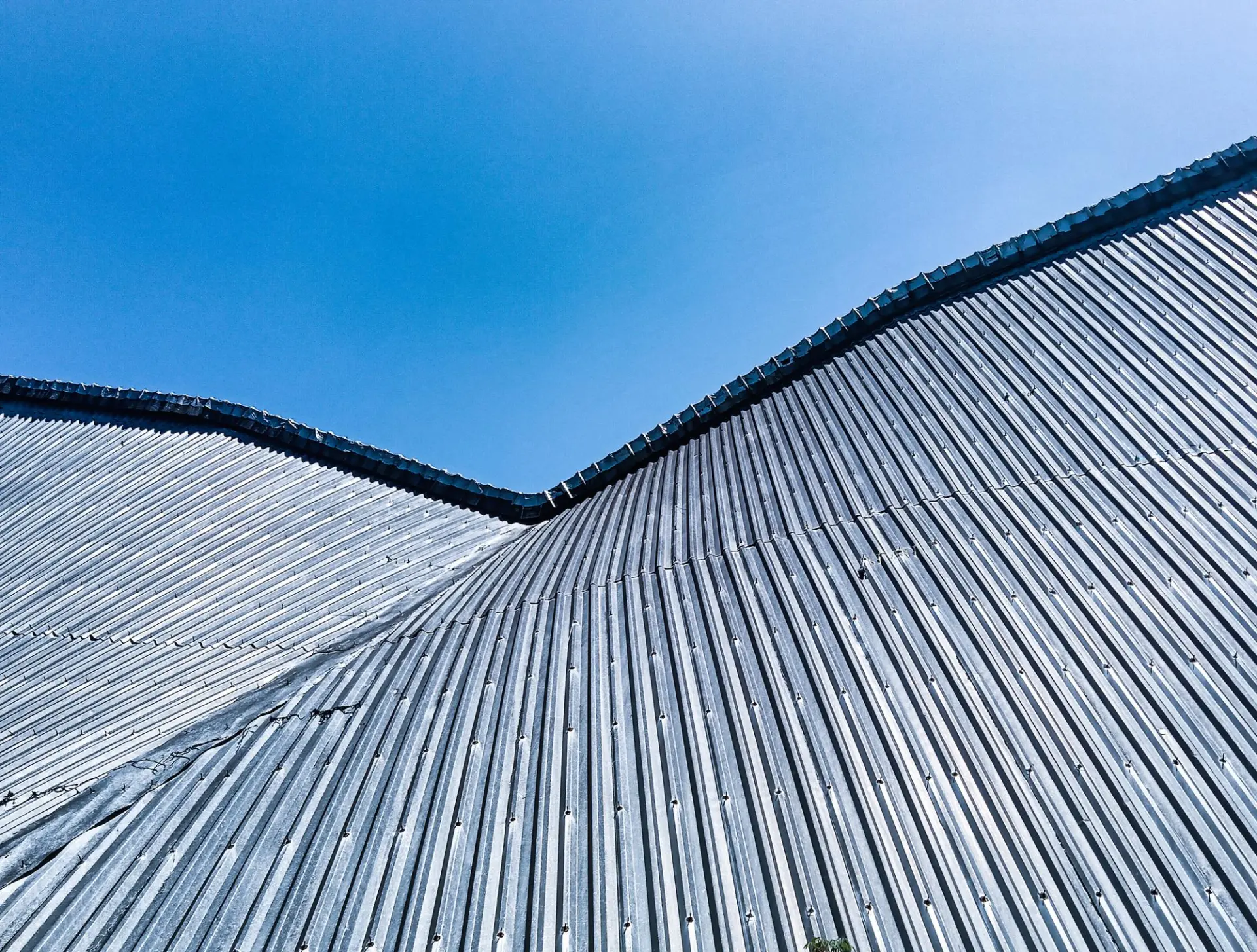
Zinc is also lighter than slate, tiles, and lead. This can make it helpful for extensions, garden rooms, and buildings where roof weight must be considered. It is also easier to shape than many traditional materials, which gives more design freedom.
The appearance is another reason to choose zinc. Its soft grey finish works well with glass, timber, brick, stone, and render. It can make a modern home look clean and carefully designed.
Zinc is best suited to projects where quality matters more than the lowest starting price. It needs skilled installation, correct ventilation, and good drainage. When these details are right, zinc can outperform many common roofing materials in lifespan, care needs, weather performance, and visual appeal. This is why it is often seen as a premium roofing option for modern homes.
Longer Lifespan Than Many Roofing Options
Zinc roofing can last longer than many common roofing options when it is designed and installed correctly. Its long lifespan is one of the main reasons homeowners choose it for extensions and modern homes. A roof that lasts for decades can reduce the need for major replacement work later.
The protective patina is the key reason zinc performs well over time. As the surface reacts with air and moisture, it forms a layer that helps protect the metal beneath. This slows down weather damage and helps the roof age in a steady way.
Some materials may need regular repairs, replacement pieces, repainting, or surface treatments. Zinc usually needs less of this work. Its strength comes from the material itself, not only from an added coating.
The roof still needs good design. Proper ventilation, drainage, and skilled fitting are essential. When these are in place, zinc can be a very long-lasting roof choice.
Low Maintenance Compared With Other Materials
Zinc roofing is easier to look after than many other roof materials. Once it has been fitted properly, it usually needs only simple checks and basic care. This makes it attractive for homeowners who want a roof that performs well without regular treatment.
The main reason zinc is low maintenance is its patina. This natural surface layer protects the metal from everyday weathering. It means the roof does not usually need painting, sealing, or coating. By comparison, some metal roofs may need their protective finish repaired, while tiles and slates may need broken or slipped pieces replacing.
Zinc can also deal well with light surface marks. Small scratches can become less visible as the patina reforms. This helps the roof keep a neat look over time.
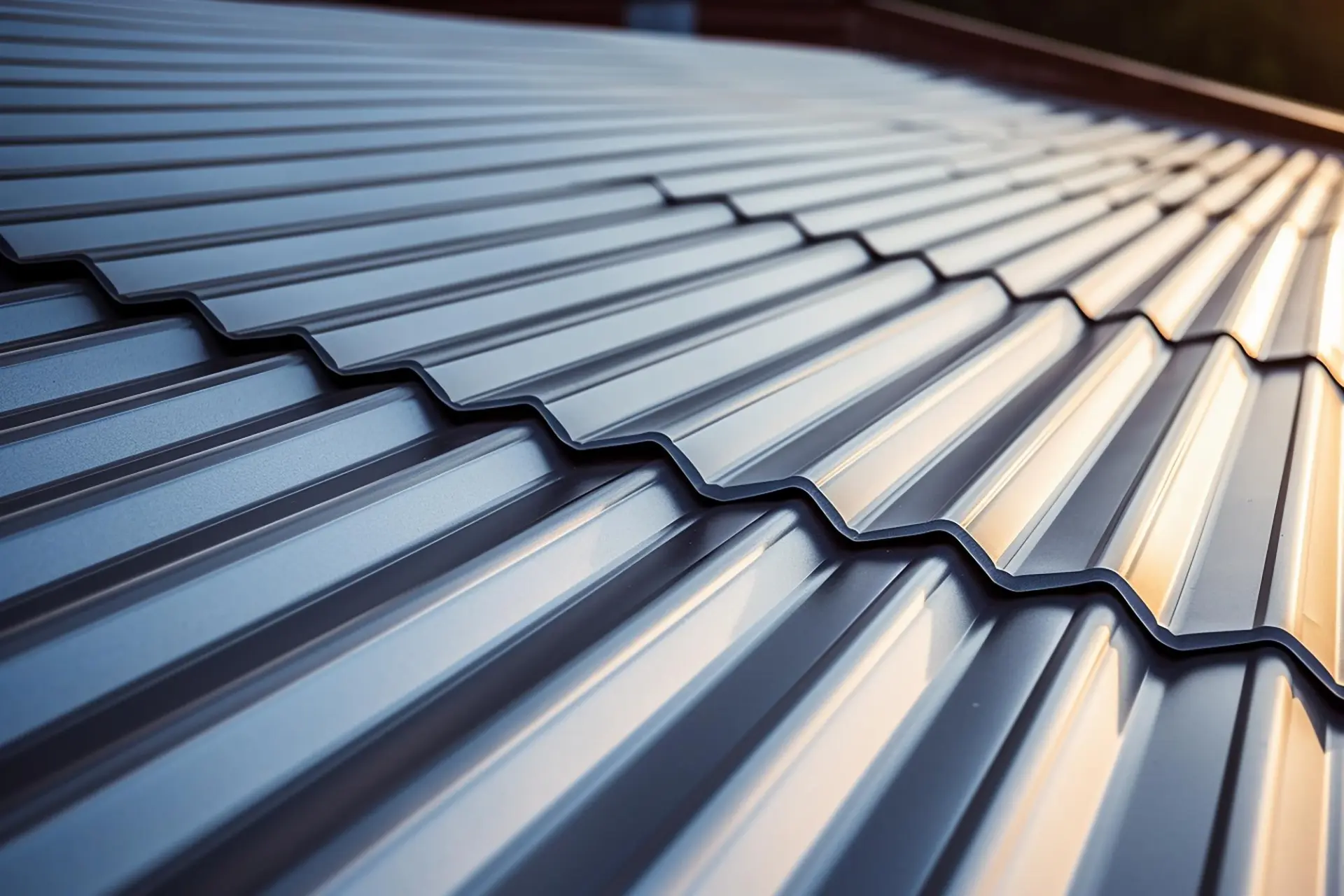
Low maintenance does not mean the roof can be ignored. Gutters and outlets should be kept clear so water can drain away. Leaves, moss, and debris should not be left to build up. It is also wise to check the roof after storms or heavy winds, especially around edges, joints, and roof windows.
Compared with many materials, these care needs are modest. Most of the important work happens before the roof is finished, through good design and correct installation. If the roof has the right fall, ventilation, and details, zinc can remain in good condition with very little effort.
For busy households, this is a major benefit. It reduces ongoing work and helps avoid repeated repair costs over the years.
Strong Weather Resistance
Zinc roofing has strong weather resistance, which makes it suitable for many UK homes. It can cope with rain, frost, wind, and changing temperatures when fitted as part of a proper roof system. The surface does not absorb water, so rain can run away easily when the roof has the correct slope and drainage
The patina adds another layer of protection. It helps shield the zinc from everyday weather damage and supports a long service life. This is one reason zinc is often used on exposed extensions and modern roof areas.
Zinc also expands and contracts as the temperature changes. The roof must be fixed in a way that allows this movement. Standing seams and correct fixings help prevent stress in the metal.
Weather resistance depends on good detailing. Roof lights, gutters, edges, and joints must be carefully finished. With skilled installation, zinc can handle harsh conditions well.
Natural Resistance to Corrosion
Zinc has a natural resistance to corrosion, which gives it an advantage over many other metal roofing materials. This resistance comes from the patina that forms on the surface. The patina acts as a protective shield, helping to stop the metal below from breaking down quickly.
This is different from materials that rely mainly on paint or applied coatings. If a coated material is scratched, the exposed surface may be more likely to rust or corrode. Zinc is less dependent on a separate finish because it develops its own surface protection over time.
This natural resistance is especially useful in a wet climate. Rain, frost, and moisture are normal parts of UK weather, so a roof needs to cope with regular damp conditions. Zinc can do this well when it has the right design and drainage.
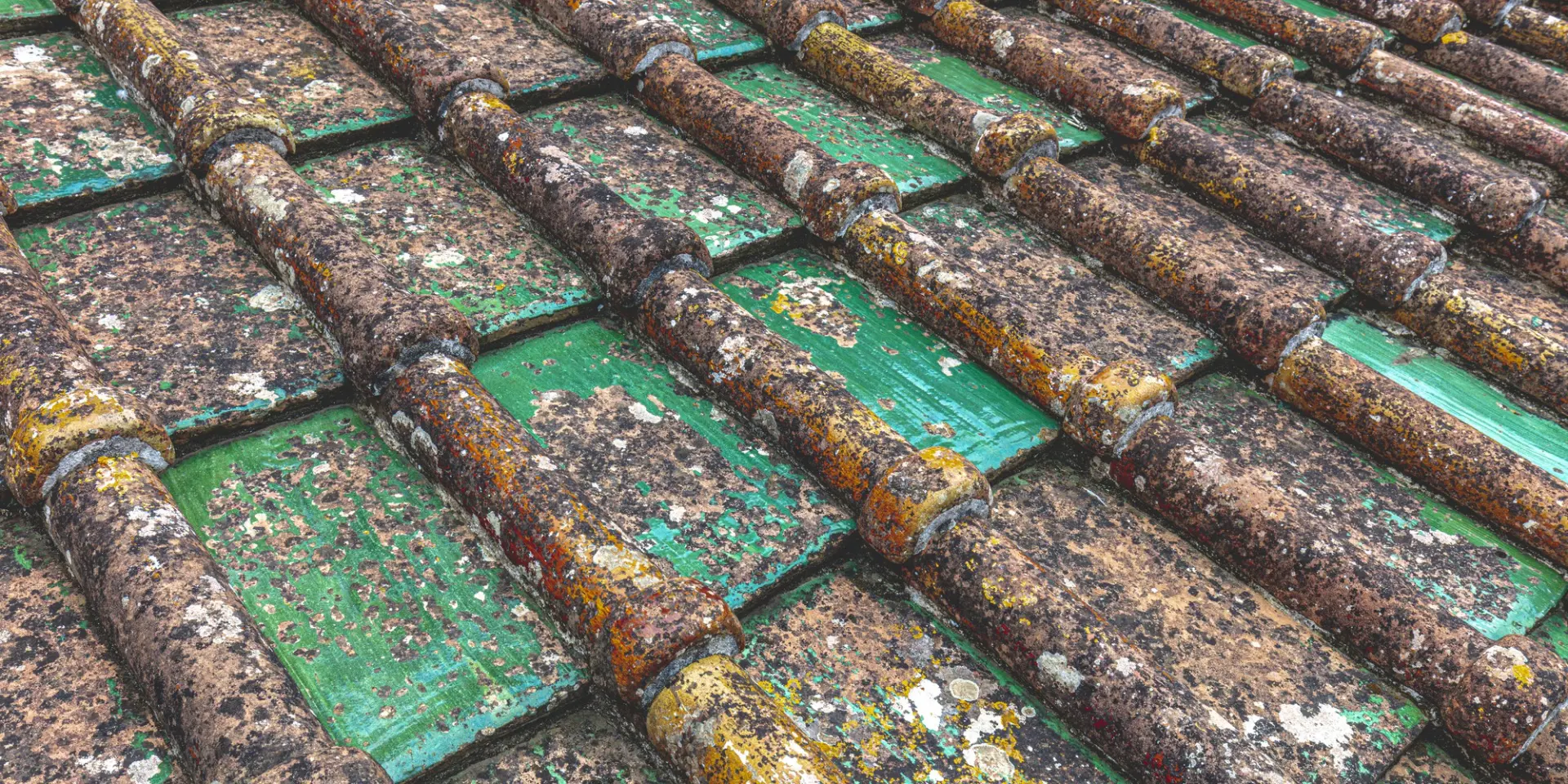
However, zinc is not impossible to damage. Corrosion can still happen if it comes into contact with unsuitable materials, such as certain metals or chemicals. Water running from copper onto zinc, for example, can cause problems. Poor ventilation can also trap moisture below the roof and lead to hidden damage.
This is why correct installation matters. The installer should choose suitable fixings, underlayers, and separation materials. They should also make sure water drains away properly and that the roof can dry as needed.
When these details are handled well, zinc’s natural corrosion resistance makes it a reliable and long-lasting choice. It gives homeowners protection that is built into the material itself, rather than depending only on a surface coating.
Self-Healing Surface
A self-healing surface is one of zinc’s most useful features. This does not mean the roof can repair dents, holes, or serious damage. It means that light scratches can become protected again as the natural patina reforms over the marked area. This is helpful because roofs face small marks from branches, debris, tools, and weather. On some materials, a scratch can expose the surface beneath and lead to peeling, rust, or visible damage. Zinc is different because its protective layer can slowly develop again.
This self-healing quality helps the roof keep a clean and even appearance over time. It also reduces the need for small touch-up repairs.
The process works best when the roof has good airflow and drainage. Standing water or unsuitable materials can reduce performance. When installed correctly, zinc’s self-healing surface adds to its durability and makes it easier to maintain than many alternatives.
Lightweight but Durable
Zinc roofing is both lightweight and durable, which is a useful combination for many building projects. A lighter roof covering can reduce pressure on the structure below. This can be especially helpful for extensions, garden rooms, dormers, and renovation projects where adding too much weight may cause problems.
Compared with slate, tiles, and lead, zinc is usually much lighter. This can make it easier to use on certain roof designs. It can also be helpful where the roof shape is more complex or where a modern, slim roof build-up is wanted.
Being lightweight does not mean zinc is weak. When installed correctly, it can cope well with normal weather conditions and last for many decades. Its strength comes from both the metal itself and the protective patina that forms on the surface. This patina helps the roof resist wear, light scratches, and weather damage.
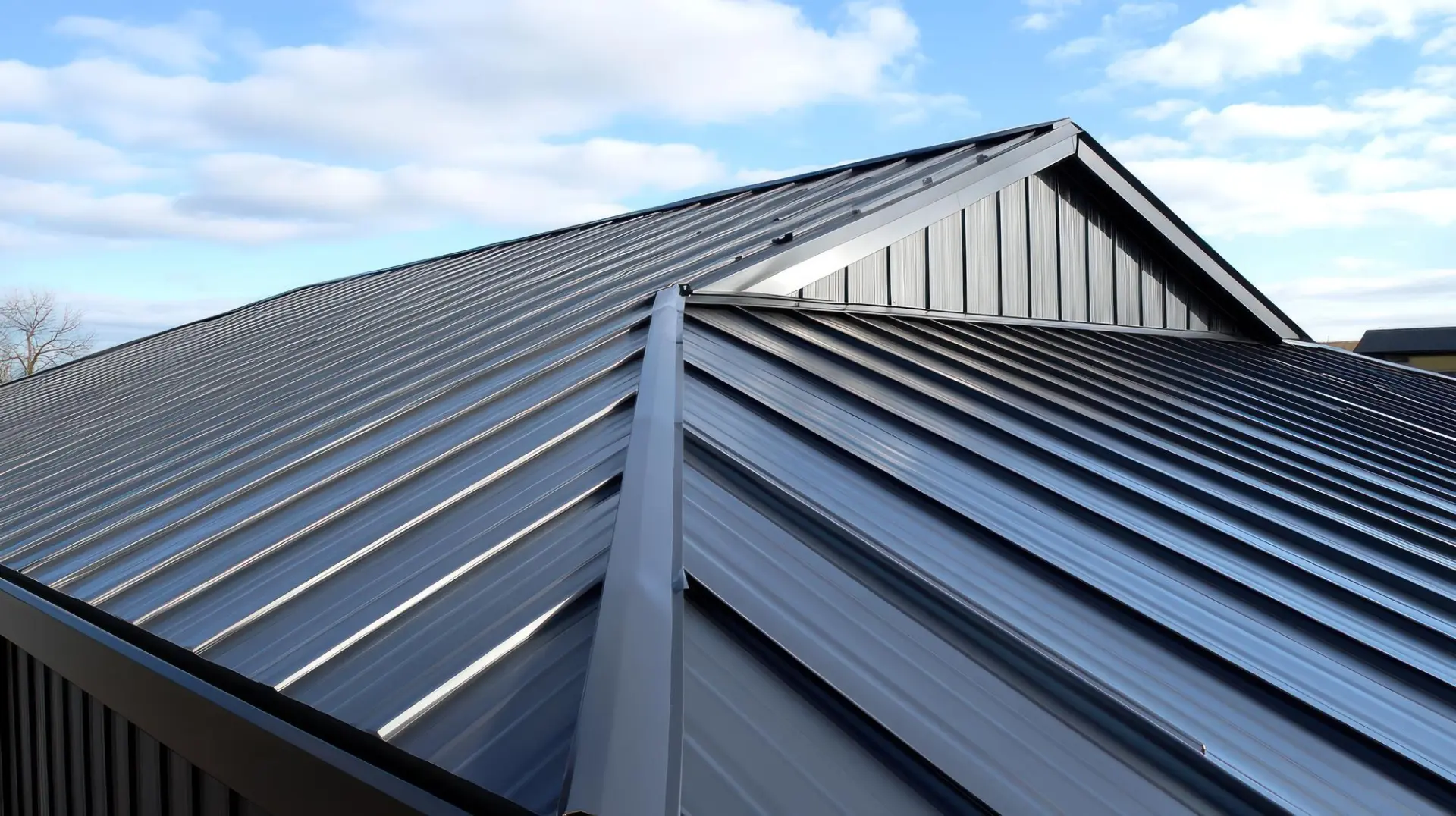
Zinc can also be shaped and detailed neatly. It can work around curves, roof windows, edges, and unusual forms more easily than many rigid materials. This makes it suitable for homes where the roof is part of the design rather than just a covering.
The roof still needs proper support, correct fixing, and skilled workmanship. Zinc must be allowed to move with temperature changes, and the structure beneath must be prepared correctly.
For homeowners, the benefit is clear. Zinc gives the strength and long life expected from a premium roof, without the heavy load of some traditional materials. This balance helps make it a strong choice for modern projects.
Better Energy Efficiency
Zinc roofing can support better energy efficiency when it is used as part of a well-designed roof system. The zinc itself is only one part of the roof. Insulation, ventilation, underlay, and the roof structure all affect how warm or cool the home feels.
A good zinc roof build-up can help reduce heat loss in winter and limit overheating in summer. This can make indoor spaces more comfortable and may help reduce energy use. Zinc can also reflect some heat, depending on its finish and the roof design.
Because zinc is durable and low maintenance, it can keep performing well for many years when the layers beneath are also built correctly. Poor fitting, gaps, or weak insulation can reduce these benefits.
For the best energy performance, zinc roofing should be planned with the whole building in mind. A skilled installer can help create a roof that is efficient, dry, and long-lasting.
Environmentally Friendly Material
Zinc can be an environmentally friendly roofing choice when it is used responsibly. One of its main benefits is its long lifespan. A roof that lasts for many decades does not need to be replaced as often, which can reduce waste and the need for new materials.
Zinc can also often be recycled. This means that when the roof eventually reaches the end of its life, the material may be used again instead of being thrown away. This gives zinc an advantage over some materials that are harder to recycle or that create more waste during replacement.
Another benefit is that zinc usually needs little surface treatment. It does not normally need regular painting, sealing, or chemical coating. This can reduce the use of extra products during the life of the roof.
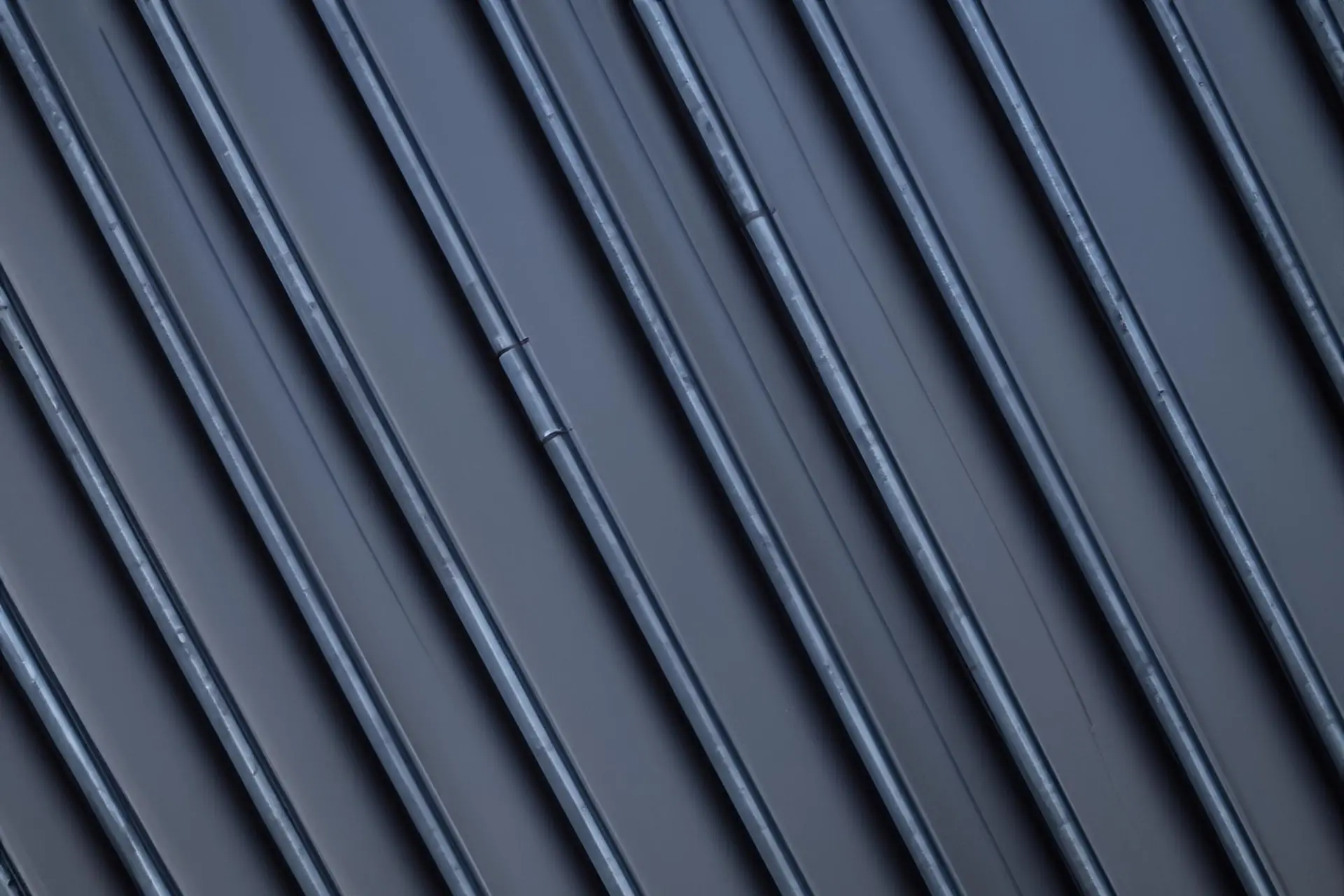
However, it is important to be balanced. Zinc is mined, processed, and transported, so it does have an environmental impact. No roofing material is completely impact-free. The environmental value of zinc improves when it is installed well, maintained sensibly, and kept in use for as long as possible.
Good design also matters. A roof with proper insulation can help improve the energy performance of the home. Clear drainage and ventilation can help the zinc last longer, which reduces waste over time.
For homeowners looking for a durable and recyclable material, zinc is a strong option. Its long life, low maintenance needs, and recycling value can make it a more responsible choice than many shorter-lasting roofing materials.
Stylish Appearance for Modern Homes
Zinc roofing is often chosen because it looks stylish on modern homes. Its smooth grey finish gives a clean and simple appearance. This works well with materials such as glass, timber, brick, render, and stone. Standing seam zinc roofs can create neat lines that make the roof look carefully designed. The material can also be shaped around curves, edges, and roof windows, which gives more freedom than many traditional coverings.
As zinc ages, the patina gives it a softer and more settled look. Many homeowners like this natural change because the roof does not look too bright or harsh.
Zinc may not suit every property. Some older homes look better with slate, tiles, or lead. Colour choice is also limited, mostly to grey tones. However, for extensions and contemporary houses, zinc can provide a smart, high-quality finish that helps the whole building feel more complete.
Is Zinc Roofing Worth the Cost?
Zinc roofing can be worth the cost if you want a long-lasting, low-maintenance, and attractive roof. It is usually more expensive at the start than many common roofing materials, so it may not suit every budget. However, the higher upfront price should be weighed against the value it can provide over time.
A well-installed zinc roof can last for many decades. It also needs less routine care than many alternatives. This can reduce future repair work, surface treatment, and replacement costs. For homeowners planning to stay in their property for a long time, this can make zinc a sensible investment.
The cost is also linked to appearance. Zinc gives a premium finish that can improve the look of modern homes and extensions. When the roof is visible, the clean grey surface and standing seam lines can become an important design feature.
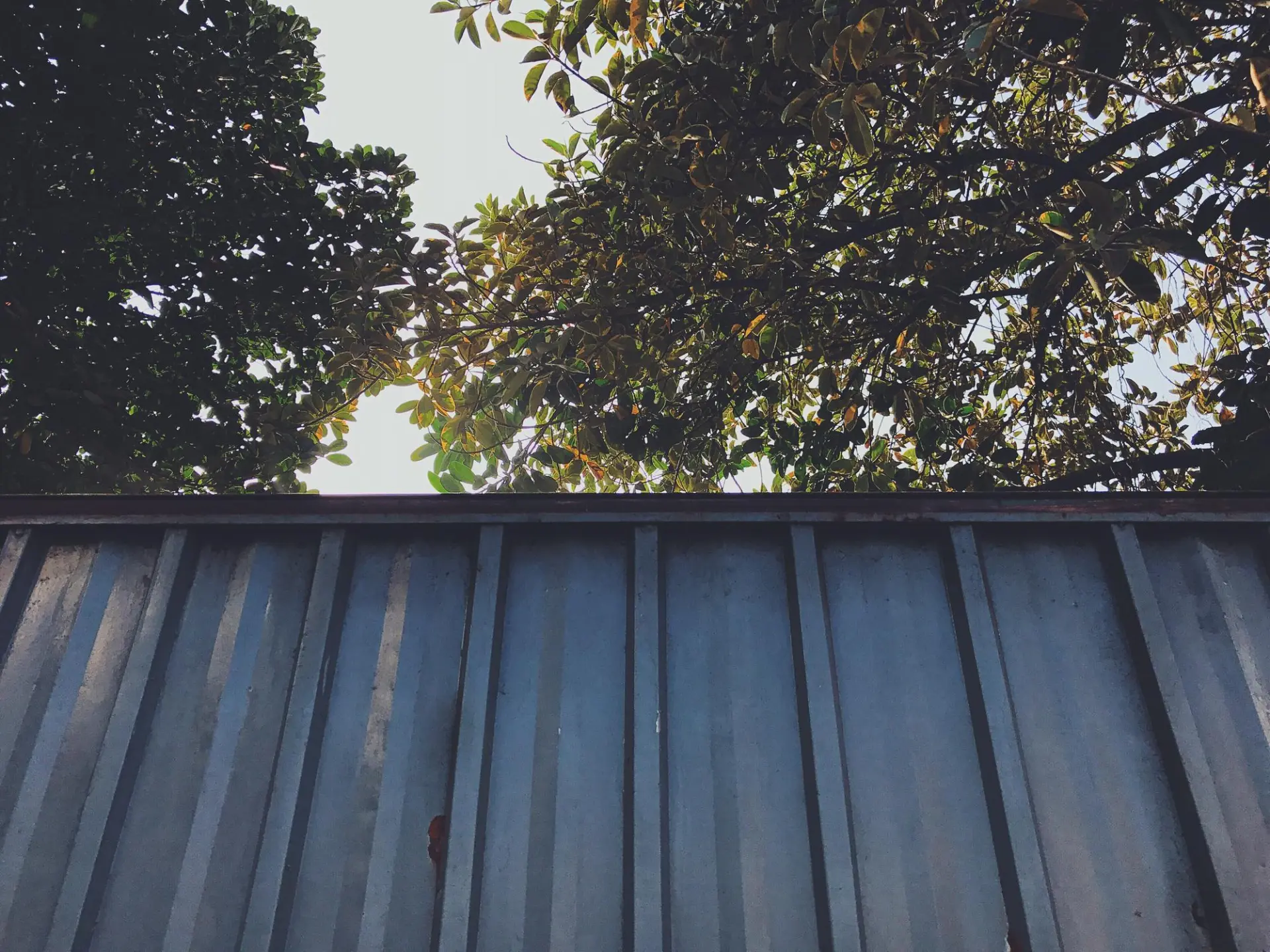
However, zinc is only worth the cost when it is installed properly. Poor workmanship can cause leaks, corrosion, noise, and early failure. Choosing an experienced installer is essential, even if it means paying more. A low quote that leaves out important details may cost more in the long run.
The best way to judge value is to compare the whole life of the roof, not only the first payment. Think about lifespan, care needs, appearance, and repair risk. Zinc may not be the cheapest choice, but for many projects it offers strong long-term value. When quality and design matter, it can be a worthwhile option.
When Zinc Might Not Be the Best Choice
Zinc is not always the best choice for every roof. The main reason is cost. If the budget is very tight, tiles, steel, or another material may be more suitable. Zinc needs skilled installation, so choosing it without the right installer can lead to problems.
It may also be the wrong choice if you want a wide range of colours. Zinc is mainly available in grey tones, which may not suit every home. Some traditional properties may look better with slate, tiles, or lead, especially if the aim is to match nearby buildings.
Zinc can also be noisy in heavy rain if the roof build-up is not planned well. It needs good insulation, ventilation, drainage, and careful detailing.
For zinc to be worthwhile, the design and workmanship must be right. If those conditions cannot be met, another roofing material may be a safer and better choice.
Zinc roofing is a strong, long-lasting and low-maintenance choice for homes, extensions, commercial buildings and heritage projects. With a natural protective patina, a clean architectural finish and a lifespan of more than 100 years, it offers both style and reliable weather protection. Riverside installs zinc roofing and cladding systems with careful detailing, hidden fixings and a neat finish built to suit each property.