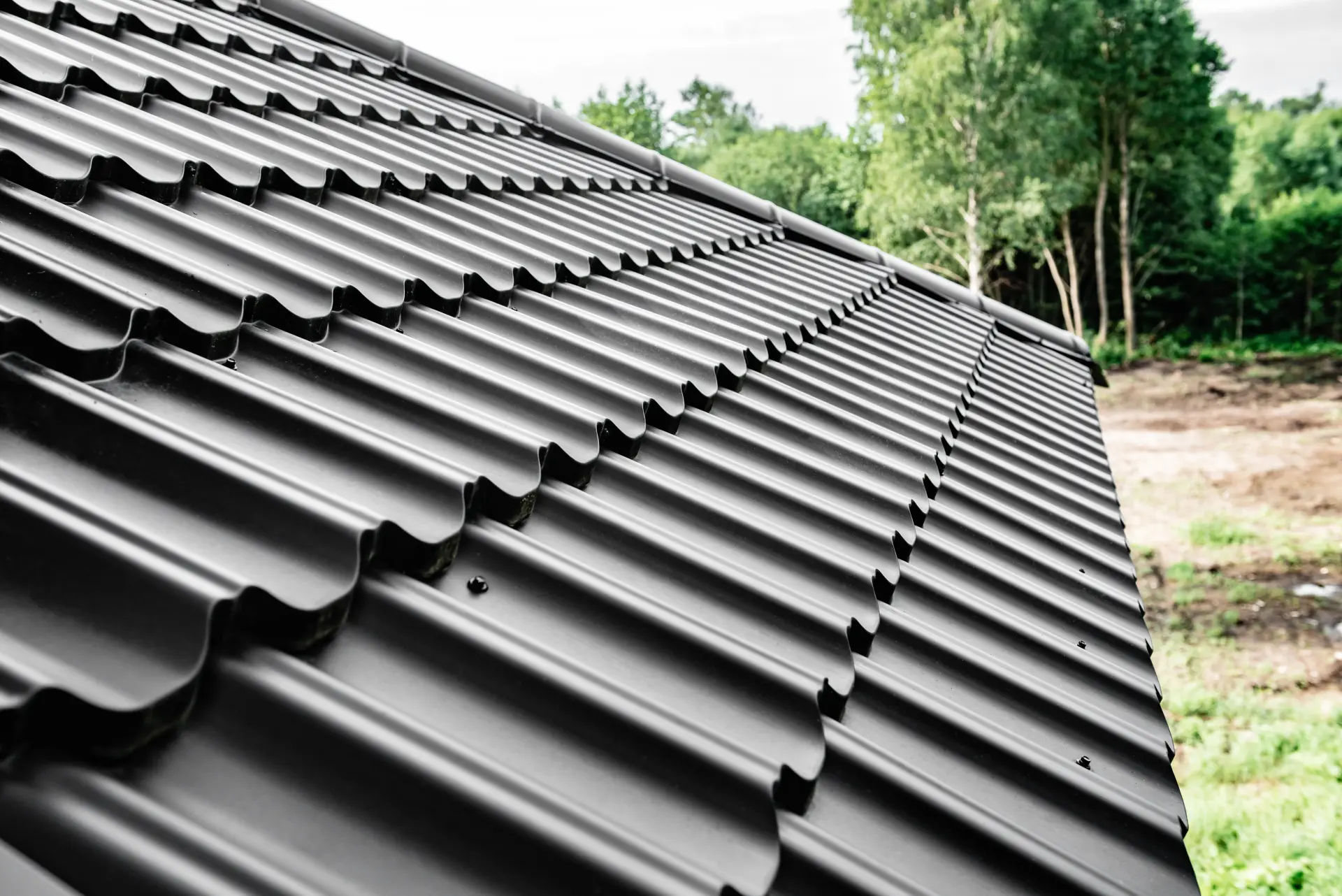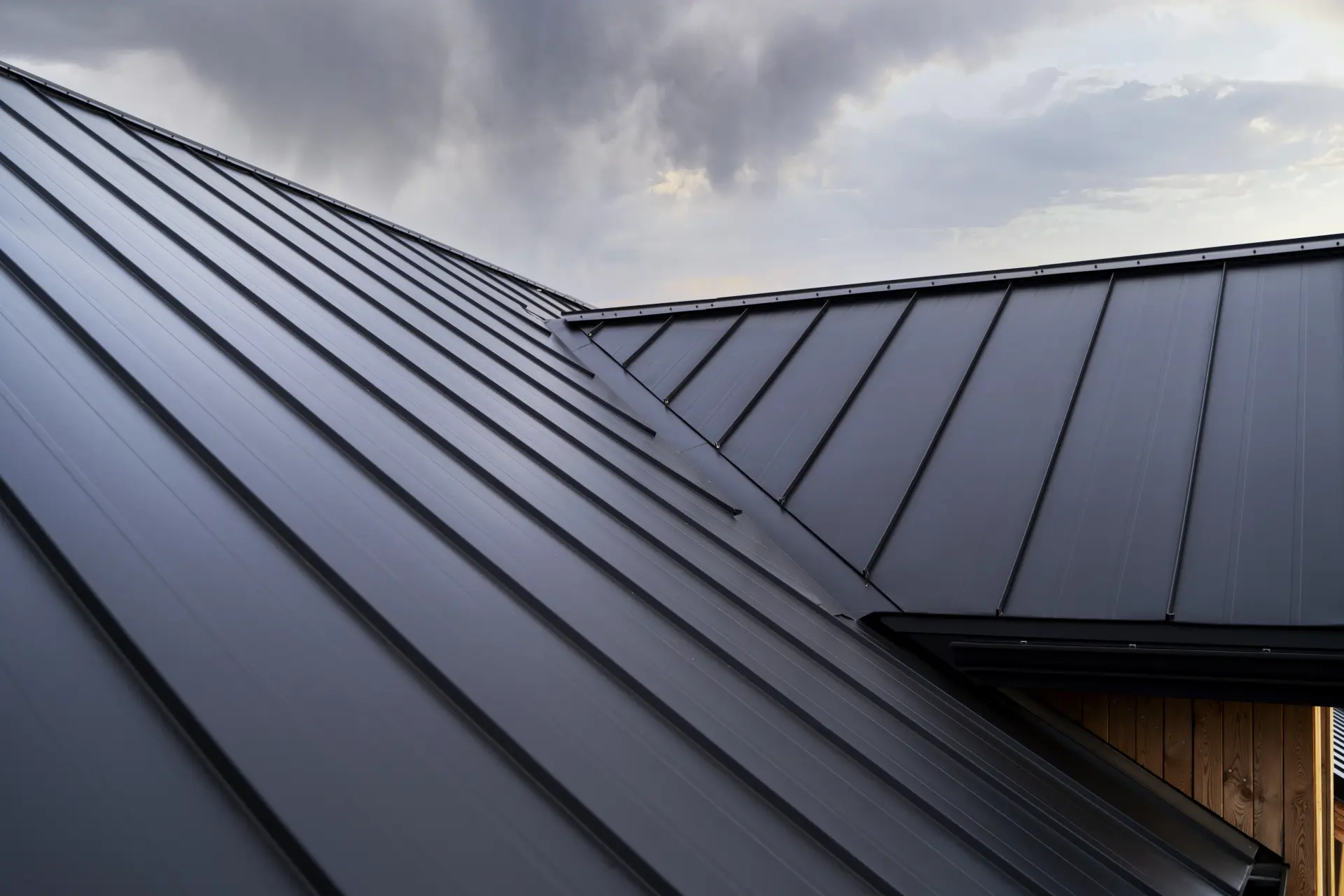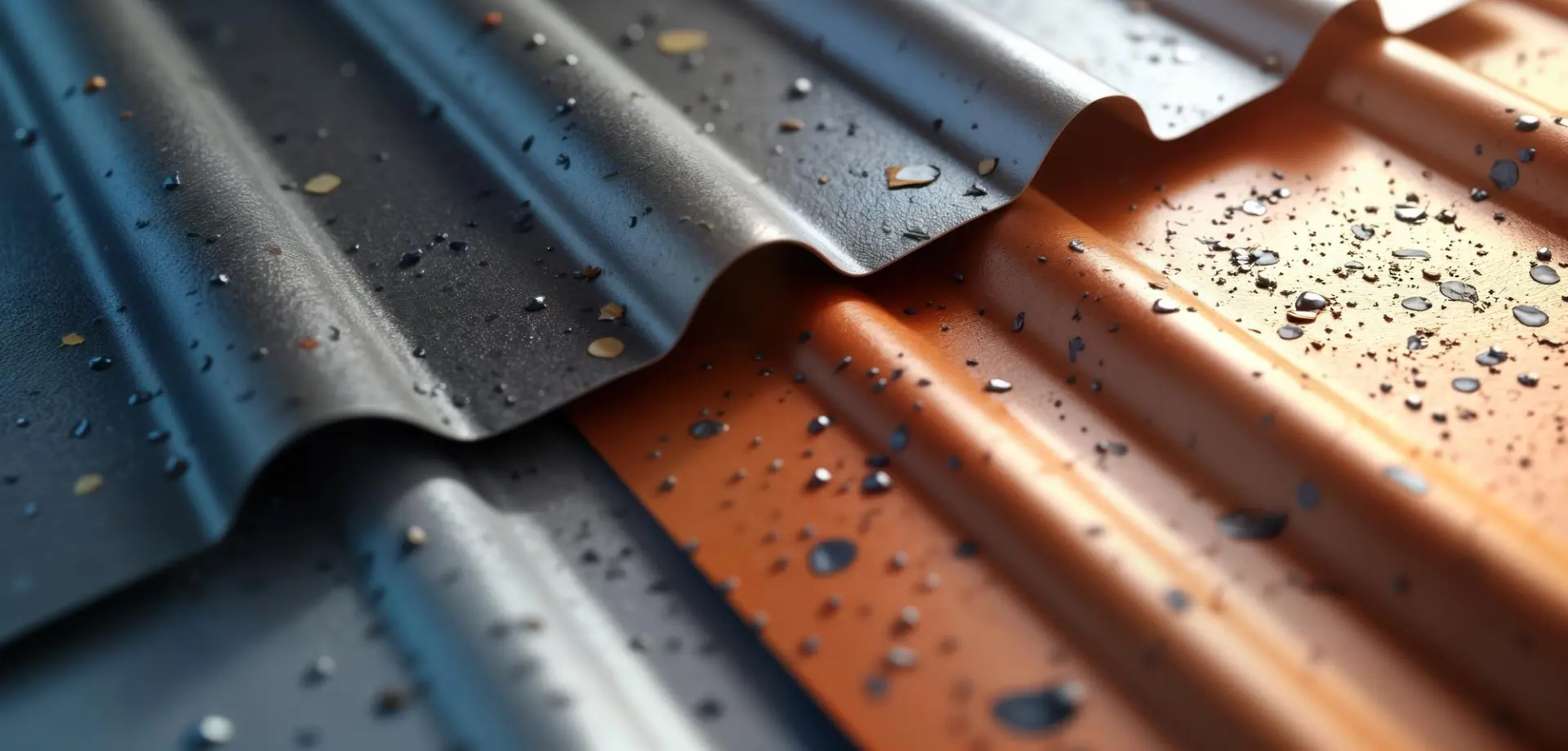
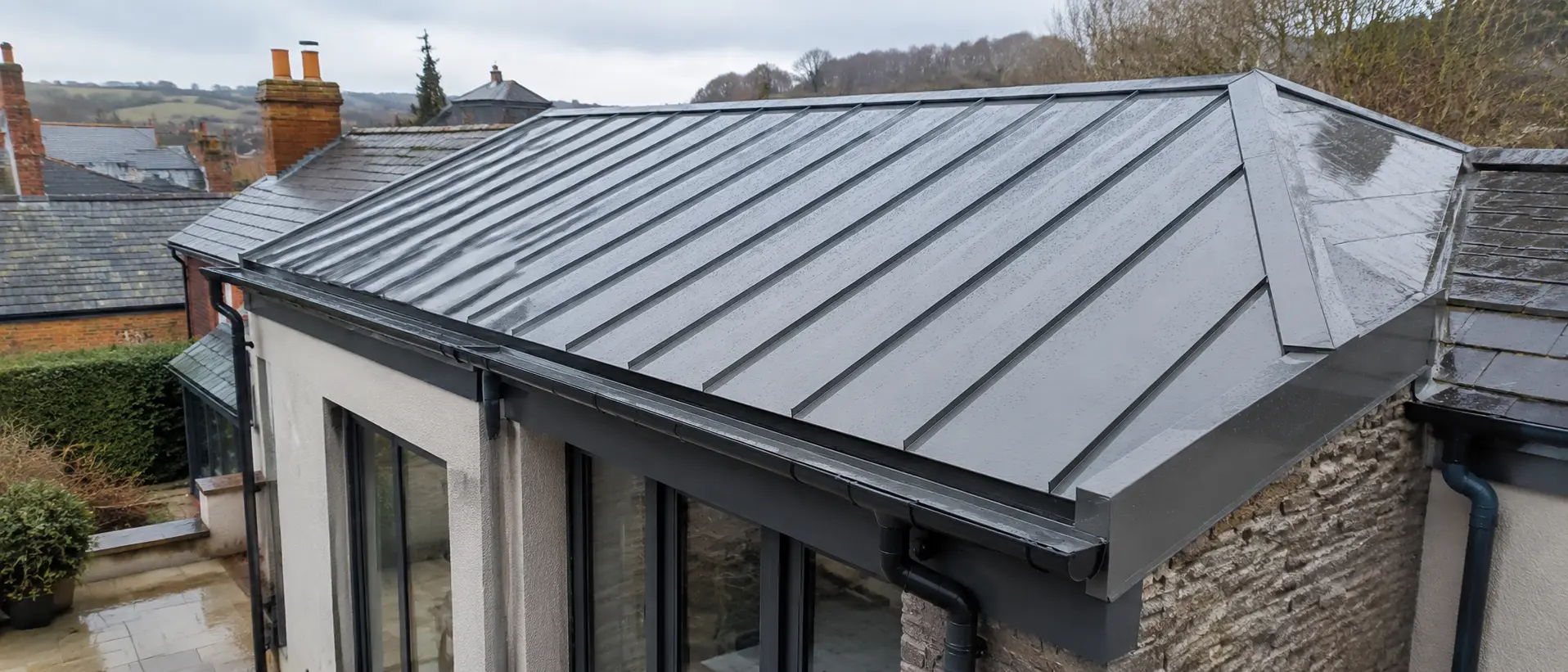
Discover how a metal roof can help cut energy bills by reflecting heat, improving insulation, and supporting better energy efficiency. With the right roof design, coatings, and installation, metal roofing can help homes and commercial buildings stay cooler in summer, warmer in winter, and more cost effective to run in the long run.
How metal reflects heat from the sun
A metal roof is a great option for people looking to reduce energy costs by reflecting a large amount of the sun’s heat away from the building. Unlike traditional roofing materials that absorb and store heat, metal has a naturally reflective surface that limits how much heat passes into the interior. This is one reason metal roofs help lower cooling demand during hot weather.
Many metal roofs are also finished with specialist coatings that improve reflectivity. These coatings help reflect sunlight, including infrared light, which carries heat energy and adds to heat build-up. This means the roof surface stays cooler, reducing heat absorption and helping the home or building use less energy for air conditioning.
Lowering the amount of heat entering the building helps maintain a more stable indoor temperature. This can reduce strain on cooling systems, improve comfort in the living space, and lead to lower utility bills. For larger commercial properties, these energy savings can make a significant difference over time.
The reflective properties of metal roofing make it a strong choice for improving energy efficiency. A metal roof can reflect more sunlight than asphalt shingles, dark shingles, wood shakes, and many other roofing materials. This heat reflection is especially useful in hot climates and during the summer months, when air conditioning use can increase quickly.
Why Metal Roofing Can Be More Energy Efficient
An energy efficient metal roof can support a more energy efficient home by reducing the amount of absorbed heat. Asphalt shingles and traditional asphalt shingles tend to hold more heat, while a metal roof can release heat more efficiently. This difference helps keep the attic cooler and reduces the load on air conditioning systems.
The energy saving benefits of metal roofing depend on several factors, including roof colours, metal roof colours, coatings, insulation, ventilation, and local climate. A cool metal roofing system with high solar reflectance and good thermal emittance can help lower surface temperature and improve cooling benefits. Solar reflectance shows how well a roof can reflect the sun’s energy, while thermal emittance shows how well it can release absorbed heat back into the atmosphere.
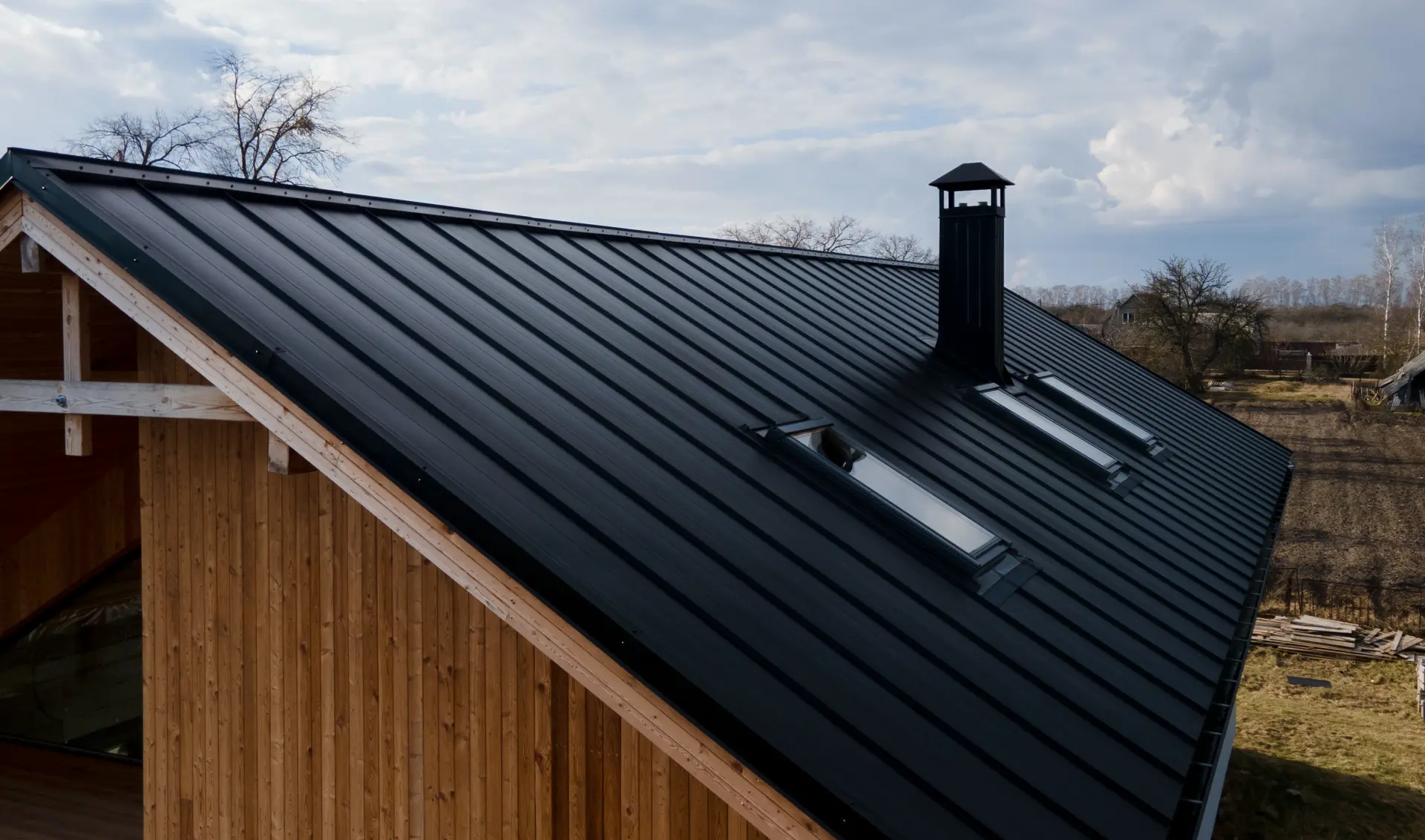
Metal roofing systems are often made from steel, aluminium, copper, or stone coated steel. These materials have strong durability, long lifespan, and good resistance to wind, rain, hail, fire, moisture, and corrosion. This makes metal a practical choice for homeowners who want a roof that lasts for decades while also supporting energy efficiency.
Many homeowners also choose metal because it can be made with recycled materials and may be recycled again at the end of its life. Compared with petroleum based asphalt shingles, this can reduce waste going to landfills and help lower the home’s carbon footprint. This green advantage adds to the long term savings that metal roofing can provide.
The Role of Insulation with Metal Roofing
Insulation is essential for getting the best performance from a metal roof. Metal has high conductivity, which means heat and cold can pass through it if the roof is not properly designed. Quality insulation below the roof deck helps slow heat transfer, keeping the home cooler in summer and warmer in winter.
Choosing the right materials for insulation can make a big difference. Insulating the underside of the roof, ceiling, or attic helps maintain a constant temperature and improves comfort. In the cooling season, it can reduce the need for air conditioning. In winter, it can help reduce heating costs by keeping warm air inside.
When a metal roof is installed over an existing roof, the extra layer can sometimes create an air gap. This air gap may support air circulation and help reduce heat transfer, depending on the construction and installation method. However, the roof deck and supporting structure must be checked first to ensure they can handle the weight and meet building requirements.
For commercial properties, insulation also helps manage moisture. Without proper insulation, condensation can form on the underside of metal roofing panels when warm indoor air meets a cold surface. This can lead to damp, mould, corrosion, and damage. Good insulation helps avoid these issues while also reducing noise from rain and hail.
Why Proper Ventilation Matters
Proper ventilation works with insulation to improve energy efficiency. A well ventilated attic allows hot air to escape, which helps keep the attic cooler and lowers the temperature under the roof. This is important because trapped hot air can make cooling systems work harder.
Ventilation can also help reduce moisture problems. When air can move through the attic, it is easier to release trapped heat and moisture. This helps protect the roof deck, insulation, and other part of the roof system from damage over time.
A metal roof with proper ventilation can perform more efficiently because it supports a better balance between heat reflection, heat release, and air movement. This combination helps reduce cooling costs, improve comfort, and support the roof’s long term performance.
Cool Roofing Coatings Explained
Cool roofing coatings are finishes applied to a metal roof to improve its ability to reflect sunlight and release heat. These coatings often use highly reflective pigments that bounce back a significant amount of the sun’s rays. They can improve solar reflectivity, thermal emittance, and overall roof performance.
Cool metal roofing is designed to lower roof surface temperature. This means less heat is transferred into the building, which can reduce air conditioning use during hot weather. A reflective roof can also reduce strain on cooling systems, helping them operate more efficiently.
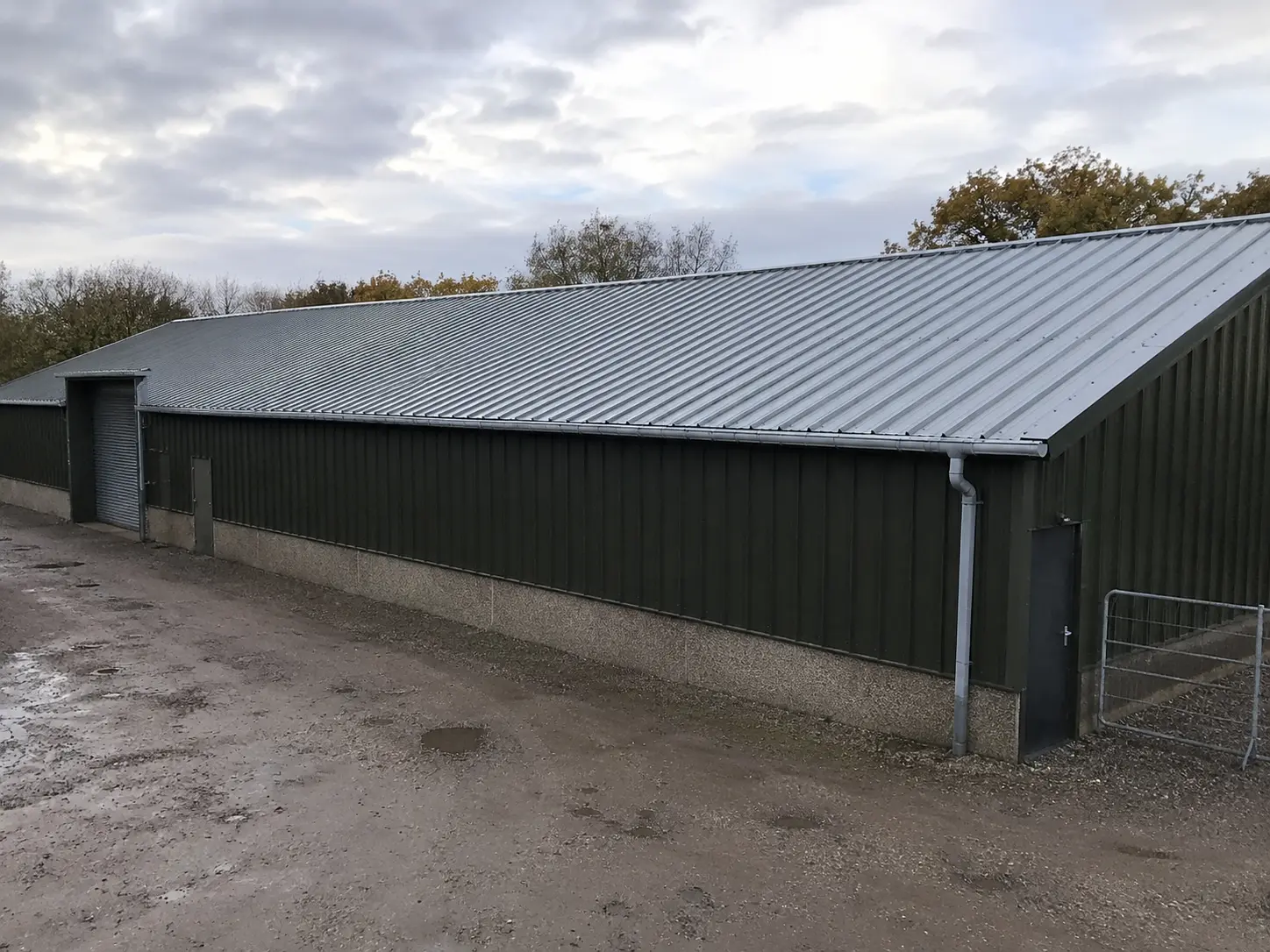
In commercial settings, cool coatings can also extend the life of the roof. Lower surface temperature means less expansion and contraction, which can reduce stress on roofing materials. This can lead to fewer issues, lower maintenance needs, and reduced replacement costs.
Cool roof coatings are available in a range of roof colours. Light colours, such as white, beige, and light grey, usually offer the best energy savings because they reflect more sunlight. However, modern coatings can also improve the performance of darker metal roof colours, allowing businesses and homeowners to choose a colour they like without sacrificing too much efficiency.
Light-coloured vs dark-coloured metal roofs
The colour of a metal roof can have a big impact on energy efficiency. Light metal roof colours, such as white, beige, and light grey, reflect more sunlight and absorb less heat. This helps keep the roof surface cooler and can reduce the cooling demand inside the building.
Dark metal roof colours, such as black, deep brown, or dark green, absorb more heat from the sun. In cold climates, this can be a small benefit because the absorbed heat may help with heating and cooling balance during winter. However, in hot climates, dark shingles and dark roof colours can increase cooling costs if the roof does not have strong reflective coatings.
Cool colours are often the better choice when the aim is maximising energy savings. A cool roof with strong solar reflectance and emissivity can keep the home comfortable while lowering utility bills. The best energy savings often come from choosing a roof colour that matches the climate, the home’s design, and the building’s energy needs.
Metal roof colours now come in many options, so homeowners do not have to select only white or light grey. Modern coatings can enhance reflectivity even on darker metal panels. This means the right colour can improve appearance and still contribute to energy efficient metal roofing.
Saving Costs in Winter and Reducing Air Conditioning in Summer
A metal roof can deliver energy savings throughout the year. In summer, the reflective surface helps reduce heat entering the home. This keeps the home cooler, lowers air conditioning demand, and helps save money on utility bills.
In winter, a metal roof works best when combined with quality insulation. The insulation helps keep warm air in the living space and reduces heating costs. This helps create a more comfortable indoor temperature without forcing heating systems to work harder than needed.
A metal roof can also reduce the strain on heating and cooling equipment. When the roof, attic, insulation, and ventilation all work together, cooling systems and heating systems can operate more efficiently. This can lead to cost savings over many years.
For commercial buildings, these savings can be significant. Even a small drop in cooling demand can cut costs by a lot over time, especially when the building is large or used every day. This makes metal roofing a cost effective choice for businesses that want long term savings.
Metal Roofs and Solar Panels
A metal roof is often a good match for solar panels. Standing seam roofs can make solar system installation easier because panels can often be fixed to the seams without drilling into the roof surface. This can help protect the roof and support better long term performance.
Solar panels can add another layer of energy savings. The metal roof helps reflect heat and reduce cooling demand, while the solar panels help create energy for the property. Combined, they can reduce the need for more energy from the grid and help lower utility bills.
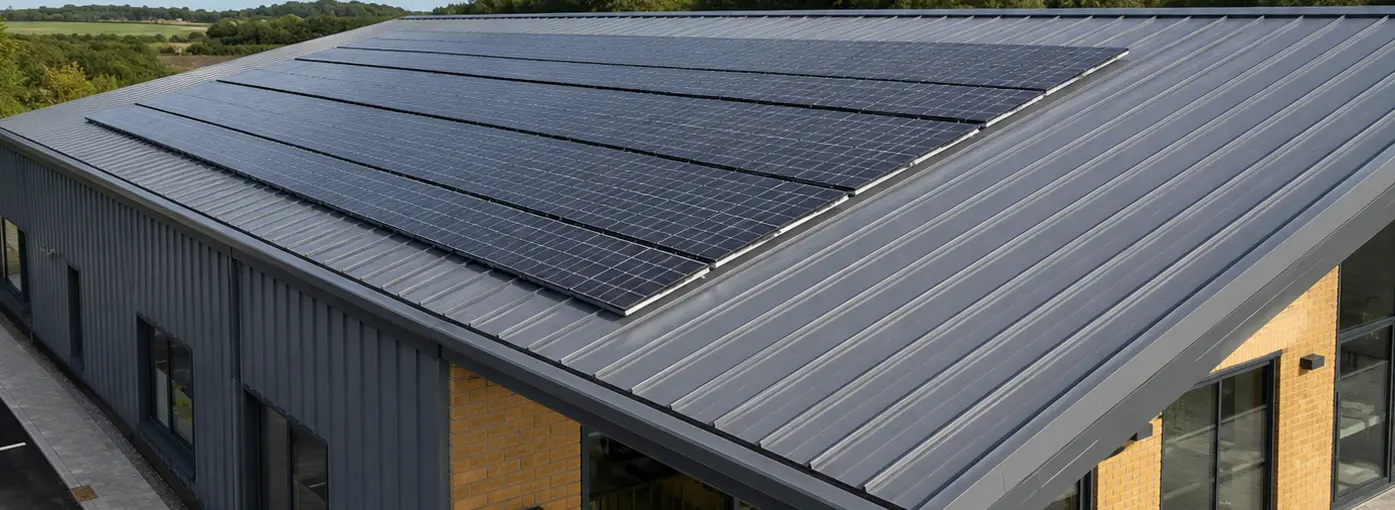
A metal roof also lasts a long time, which is important when installing solar panels. Asphalt shingles may need replacement before the solar system reaches the end of its useful life.
Replacing shingles under solar panels can mean removing and reinstalling the panels, which adds costs. A metal roof can avoid this issue because it often lasts for decades.
Metal Roofing Compared with Asphalt Shingles
Asphalt shingles are common, but they are not always the most energy efficient choice. Shingle roofing can absorb a lot of heat, especially when made with dark shingles. This heat can move into the attic and make air conditioning work harder during hot weather.
A metal roof can reflect sunlight and release heat more quickly than asphalt shingles. This gives metal roofing an advantage for energy efficiency, especially in sunny areas. While asphalt shingles may cost less at the start, metal can offer better long term savings because of its durability, energy performance, and lower replacement needs.
Traditional asphalt shingles are also petroleum based asphalt shingles, which can contribute to waste when they are replaced. Metal roofing is often made with recycled materials and can be recycled again, helping reduce waste and support a greener environment.
When compared with shingle roofing, metal roofing may also offer better resistance to wind, rain, hail, fire, and corrosion. This durability can reduce repair needs and make metal a top choice for many homeowners who want a roof that performs well for many years.
Choosing the Right Metal Roofing System
Choosing the right metal roof starts with understanding the home’s climate, design, and energy goals. The best choice may depend on roof colours, coatings, insulation, ventilation, and the type of metal used. Steel, aluminium, copper, and stone coated steel each have different benefits.
Metal panels and metal roofing panels can be designed for different buildings and weather conditions. Some systems are ideal for commercial properties, while others are designed for homes. Standing seam roofs are often chosen for their clean design, durability, and ability to support solar panels.
Installation is also important. Even the best energy efficient metal materials will not perform well if they are installed badly. A skilled team can ensure the roof is fitted correctly, with proper ventilation, insulation support, and attention to moisture control.
The right installation can optimise energy efficiency, enhance comfort, and help maximise energy savings. This is why many homeowners and businesses choose professionals who understand roofing science, local climate, and the requirements of metal roofing systems.
How to Maximise Energy Savings from a Metal Roof
Maximising energy savings starts with choosing the right roof colour, coating, insulation, and ventilation. A light coloured metal roof with strong solar reflectance and high emissivity can reflect more sunlight, release heat quickly, and reduce cooling demand.
It is also important to add quality insulation and proper ventilation. Insulation helps keep heat out in summer and warmth in during winter. Ventilation allows hot air to escape from the attic, keeping the home cooler and reducing strain on air conditioning.
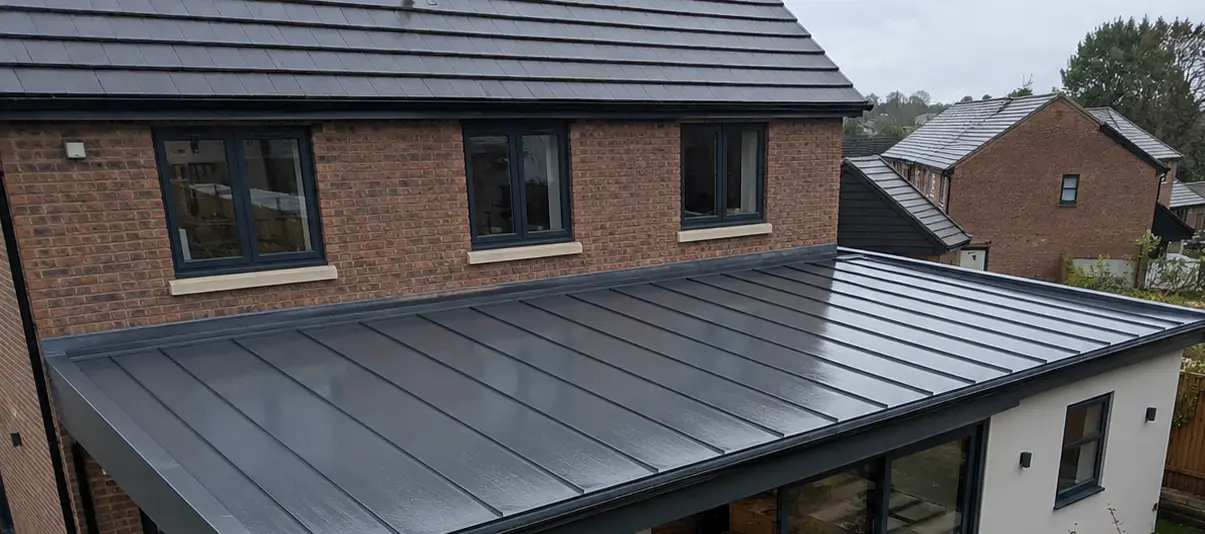
Maintenance also plays a role. Keeping the roof surface clean, checking coatings, clearing leaves, and dealing with small issues quickly can help the metal roof perform well. Regular maintenance protects the roof and helps it last for many years.
For the best result, homeowners should choose a system that fits their climate and building. In hot climates, a cool metal roof in a light colour may offer the best energy savings. In colder areas, a darker colour may be useful, but it should still have good reflective properties.
Cutting Energy Bills with a Metal Roof
A metal roof can help reduce energy bills by reflecting heat, lowering cooling demand, and working well with insulation, ventilation, and solar panels. It can also reduce replacement costs, support a greener environment, and improve comfort inside the home or building.
Compared with asphalt shingles and other roofing materials, metal roofing offers a strong mix of durability, energy efficiency, and long term savings. By choosing the right materials, coatings, roof colours, and installation team, homeowners and businesses can create an energy efficient roof that performs well for decades.
If you're searching for professionals who can help you install brand-new roofing for your business property in Camden, Greenwich, Hackney and London, give us a call. Our team are always available throughout the local area to provide commercial metal roofing installations and repairs.