Discover how weather affects domestic metal roofing and learn essential maintenance tips to ensure longevity and protection against UK climate challenges.
Why Regular Metal Roof Maintenance Matters
A domestic metal roof can provide reliable protection for many years, but it still needs regular care. Rain, wind, sunlight, falling debris and changes in temperature all place pressure on the roof covering. Small faults can develop around fixings, seams, flashing and protective coatings before they become obvious from inside the home.
UK weather makes regular checks particularly important. Met Office figures show that the UK received 1,041.2mm of rain during 2025. The same year also included four named storms, while Storm Éowyn was described as the most powerful windstorm to affect the UK for more than a decade. These conditions show why roofs should be checked throughout their working life rather than only after a leak develops.
Maintenance does not mean carrying out major repairs every year. Much of it involves keeping drainage clear, checking for visible changes and arranging professional attention when something appears damaged. A simple maintenance routine can help protect the roof covering, insulation, roof structure and rooms beneath it.
Keeping records of inspections and completed repairs can also be useful. Photographs taken from safe locations make it easier to compare the roof over time and identify changes before they become serious.
Inspect the Roof Regularly
Regular visual inspections are one of the simplest ways to maintain a domestic metal roof. Homeowners can look at the roof from ground level, an upstairs window or another safe position. The aim is to spot changes such as loose sheets, bent edges, rust marks, damaged flashing, blocked gutters or areas that no longer appear level.
It is sensible to check the roof at different points during the year and after severe weather. Strong wind can loosen sheets and flashing, while heavy rain may expose drainage or sealing problems. Hail, fallen branches and wind-blown objects can also damage protective coatings or leave dents in the surface.
Temperature changes matter as well. Metal expands when it becomes warmer and contracts as it cools. This movement is normal, but repeated movement can place pressure on fixings, joints and sealants. The Met Office reported that 2025 was the UK's warmest year on record, with an annual mean temperature of 10.09°C. Changes in the UK's climate make ongoing inspection an important part of roof care.
Homeowners should avoid walking onto the roof to carry out these checks. Metal sheets may be slippery, and some areas may not be designed to take a person's weight. Where close inspection is needed, a trained roofer should carry it out safely.
Keep Gutters and Drainage Clear
Good drainage helps protect every part of a metal roofing system. Rainwater should move freely across the roof and into gutters, outlets and downpipes. Leaves, moss, twigs and other material can interrupt this flow and cause water to collect in places where it would not normally remain.
Standing water can increase the risk of corrosion, particularly where dirt remains wet against a metal surface. Water may also reach joints, fixings and damaged coatings. If gutters overflow regularly, moisture can run down exterior walls and affect windows, doors or areas around the foundations.
Gutters should therefore be checked and cleared as part of routine home maintenance. Particular attention may be needed during autumn or where trees grow close to the property. Downpipes should also be checked to make sure water is leaving the roof correctly rather than backing up into the gutter.
Drainage is especially important during periods of unusually heavy rain. Met Office figures show that parts of Wales, Northern Ireland and northern England received more than 200% of their average rainfall during September 2025. Keeping drainage paths clear helps a roof deal with these wetter periods more effectively.
Remove Leaves, Dirt and Other Debris
Leaves, branches, dirt and other material should not be allowed to remain on a metal roof for long periods. Debris can hold moisture against the surface and prevent rainwater from draining correctly. This creates conditions where coatings, joints and exposed metal may deteriorate more quickly.
Areas behind chimneys, around rooflights and near changes in roof level may collect more debris than open sections. Roof valleys can also require particular attention because they carry large amounts of rainwater towards the drainage system.
Debris should only be removed where this can be done safely. Reaching onto the roof from a ladder or walking across metal sheets without suitable equipment can create a serious fall risk. Sharp edges and wet surfaces add further danger.
A professional roofer can safely remove material that cannot be reached from the ground. They can also check whether trapped debris has hidden rust, damaged coatings or blocked drainage beneath it.
Watch for Rust and Corrosion
Most domestic metal roofing systems use protective finishes to separate the metal from moisture and oxygen. If the coating becomes scratched, worn or damaged, exposed areas may begin to corrode. Early signs can include small orange, red or brown marks, staining around fixings or changes in the appearance of sheet edges.
Corrosion should be investigated before it spreads. Areas around seams, fixings, roof penetrations and places where water or debris collects can be more vulnerable. Coastal homes may require closer attention because salt carried through the air can affect some metal finishes.
Simply painting over visible rust may hide the problem rather than repair it. The affected surface needs to be assessed and prepared correctly. Depending on the extent of the damage, work may involve removing corrosion, treating the surface, repairing the protective finish or replacing part of a sheet.
Regular checks are valuable because a small damaged area may be easier to repair than widespread corrosion. If corrosion progresses far enough to create holes or weaken the sheet, water can enter the roof system and more extensive repairs may be required.
Check Fixings, Seams and Sealants
Fixings and joints help metal roof sheets stay secure while keeping rain outside the building. Over time, screws, clips, washers and other components can loosen or wear. Temperature movement, wind and normal ageing can all place pressure on these parts.
Signs of a problem can include lifted sheet edges, gaps between sections, missing fixings, cracked sealant or movement during windy conditions. Rust stains around a fixing may also suggest that moisture has reached the metal beneath the protective finish.
Sealants should remain flexible enough to cope with normal movement in the roof. Sunlight and changing temperatures can gradually cause some materials to harden, crack or pull away from the surface. Applying fresh sealant directly over a dirty or failed joint does not always create a lasting repair.
A roofer can check whether a fixing only needs adjustment or whether damaged components should be replaced. Failed joints may need to be cleaned, correctly aligned and prepared before new sealing materials are applied. Products used for repairs should be suitable for the particular roofing material and its expected movement.
Inspect Flashing Around Roof Features
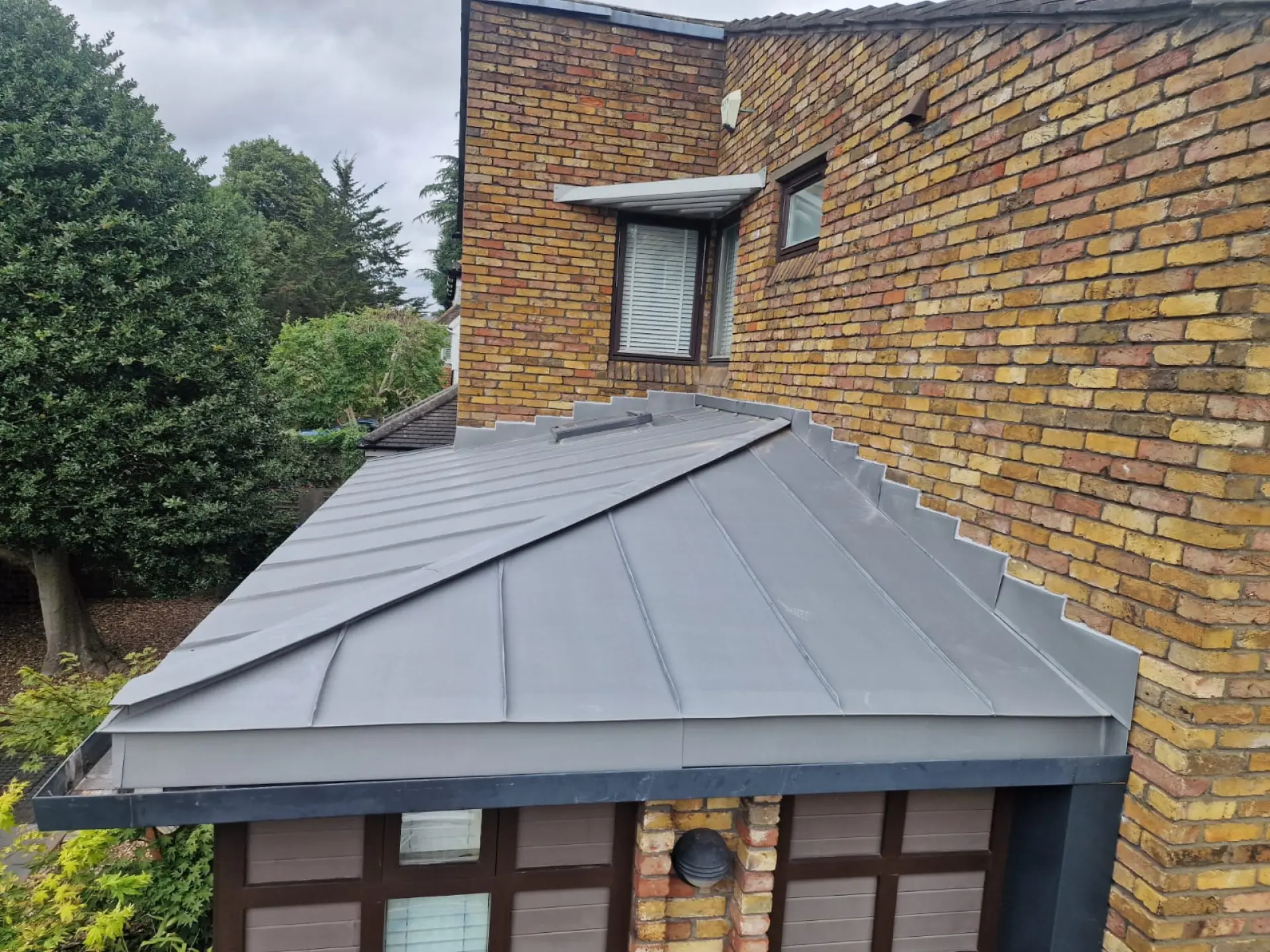
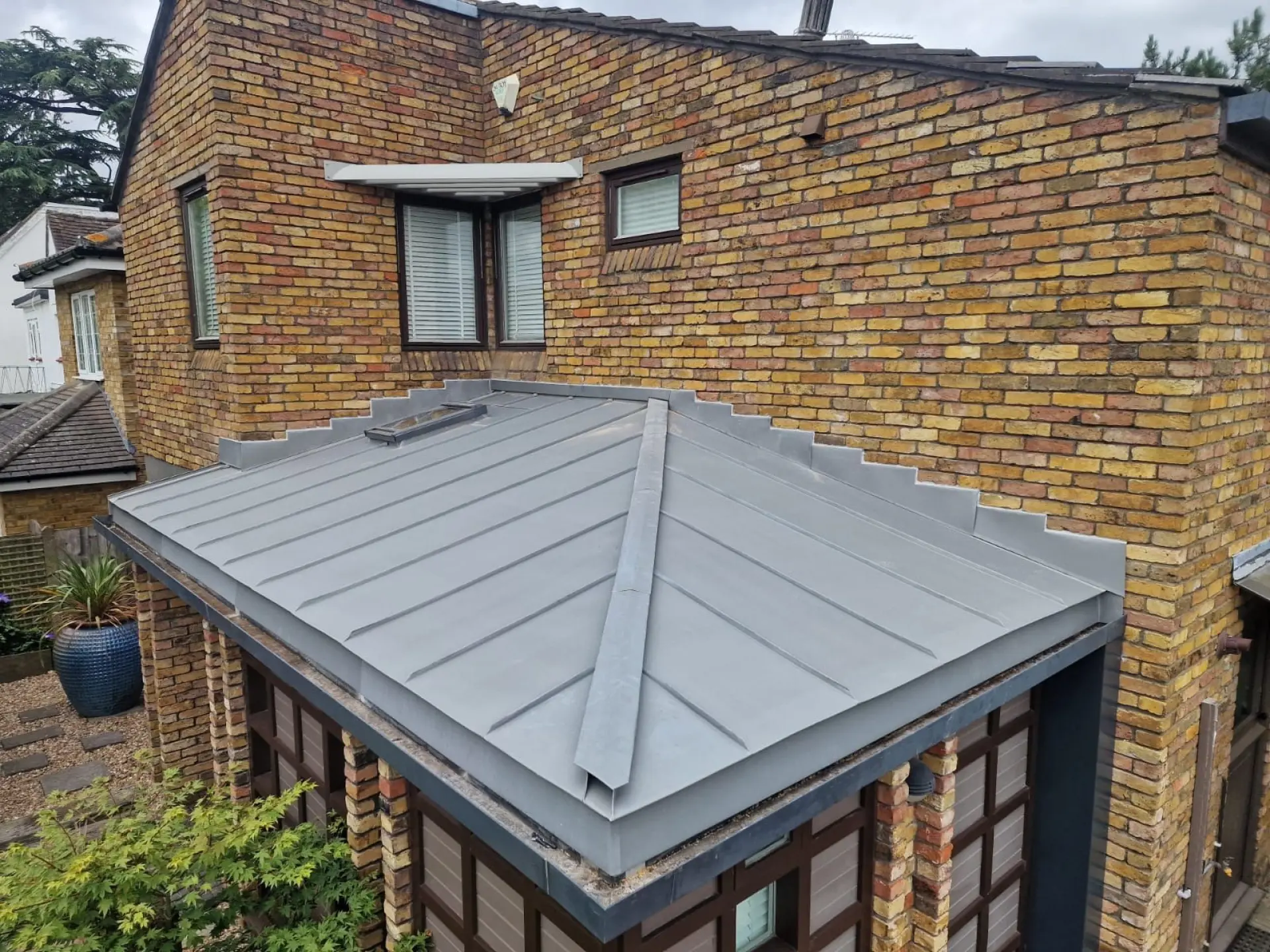
Flashing protects some of the most vulnerable parts of a roof. It can be found around chimneys, vents, rooflights, walls and other places where the main roof covering meets another feature. These areas contain more joints and changes in direction, which can make them more likely to develop water entry problems.
Homeowners should look for flashing that appears bent, loose, lifted or separated from the surrounding roof. Cracked sealant, gaps and nearby rust marks can also suggest that attention is needed. Water stains on ceilings or walls close to chimneys and rooflights may be another warning sign.
Strong wind can place considerable pressure on exposed flashing. The Met Office reported four named storms during 2025, including Storm Floris, which produced gusts of up to 82mph in northern Scotland. A visual check after periods of severe wind can therefore help identify damage before the next spell of rain.
Loose or damaged flashing should be repaired promptly because even a narrow gap can allow wind-driven rain beneath the roof covering.
Check the Roof After Severe Weather
Storms can damage a metal roof even when no sheets are missing. Wind may loosen fixings or lift flashing, while hail and falling branches can leave dents or scratches. Damage to the protective coating may expose the metal and increase the chance of later corrosion.
After severe weather, inspect the property from a safe position. Look for lifted edges, bent sheets, debris on the roof and pieces of roofing material on the ground. Gutters may contain damaged sealant, coating fragments or other material that has come away from the roof.
The inside of the home should also be checked. New damp patches, water marks or unusual smells may suggest that moisture has entered somewhere above.
Damage is not always visible from the ground, so a professional inspection may be sensible after particularly strong winds, hail or falling branches. Finding a loosened fixing early may prevent a larger section from becoming damaged during the next storm.
Respond Quickly to Signs of a Leak
Water marks on ceilings or walls should never be ignored. Other warning signs can include peeling paint, damp smells, mould, wet insulation or water appearing around rooflights and upper-floor rooms.
The position of an internal mark does not always show where water entered through the roof. Rain can pass through a loose fixing, failed seam or damaged flashing before travelling along roof supports. It may then appear inside the home some distance away from the original fault.
For this reason, treating the visible mark inside the property is not enough. The source of the water entry must be found and repaired. A roofer may need to inspect sheets, joints, flashing, fixings and drainage before confirming the cause.
Prompt action also helps protect materials beneath the roof. Prolonged moisture can damage insulation, plaster, timber and decorative finishes. Damp materials may also create conditions that support mould growth. Finding and repairing the roof fault early can therefore reduce the amount of additional work needed inside the home.
Protect the Roof's Surface Coating
The protective finish on a metal roof performs an important job. It helps keep moisture away from the metal and can also protect against sunlight and general weather exposure. Keeping this coating in good condition is therefore an important part of long-term maintenance.
Scratches can be caused by branches, tools, loose debris or incorrect access across the roof. Dents may also stretch or crack the coating. Any visible damage should be examined before corrosion becomes established beneath the surface.
Cleaning must also be carried out carefully. Harsh chemicals, unsuitable cleaning products or rough tools may damage the finish rather than protect it. The correct cleaning method will depend on the metal and coating used, so the roof manufacturer's guidance should be followed where it is available.
Where a coating has reached the end of its useful condition, professional treatment or recoating may be recommended. Preparation is important because applying a new finish over corrosion, dirt or loose material can prevent it from bonding properly. Suitable products should also be compatible with the existing roofing system.
Trim Nearby Trees and Reduce Roof Debris
Trees can affect a metal roof in several ways. Overhanging branches may scrape against sheets during windy weather and damage the protective finish. Falling branches can dent panels or damage flashing, while leaves may collect in gutters and roof valleys.
Branches growing close to the property should therefore be monitored and trimmed where appropriate. Tree work should be carried out safely and may require a trained professional, particularly where large branches are located above the roof.
Keeping branches at a reasonable distance can also improve the amount of sunlight and airflow reaching the roof. This may help wet leaves and surface moisture dry more quickly instead of remaining against the metal.
Tree maintenance is especially useful before autumn and periods when storms are more likely. However, the condition of the roof should still be checked afterwards because wind can carry debris from neighbouring properties and more distant trees. Small twigs and leaves can collect around gutters, rooflights and other raised parts even when there are no trees immediately beside the house.
Look for Sagging, Dents or Changes in Shape
A metal roof should normally appear even and properly supported. Areas that begin to sag, bow or change shape should be professionally assessed. These changes may relate to the sheets themselves, but they can also indicate a problem with the supporting structure beneath them.
Dents can result from hail, falling branches, maintenance work or objects carried by strong wind. A shallow dent may not affect the performance of every roofing system, but deeper damage can change the way water moves across the surface or place extra pressure on nearby seams and fixings.
Low areas can also allow water to remain on the roof. Standing water increases the length of time moisture stays in contact with the surface and may encourage dirt to collect in the same place. This can increase pressure on coatings, joints and drainage.
Changes in roof shape should not be investigated by walking across the affected area. If the supporting structure is damaged, it may not be safe to place additional weight on it. A trained professional can inspect both the roof covering and the structure beneath it.
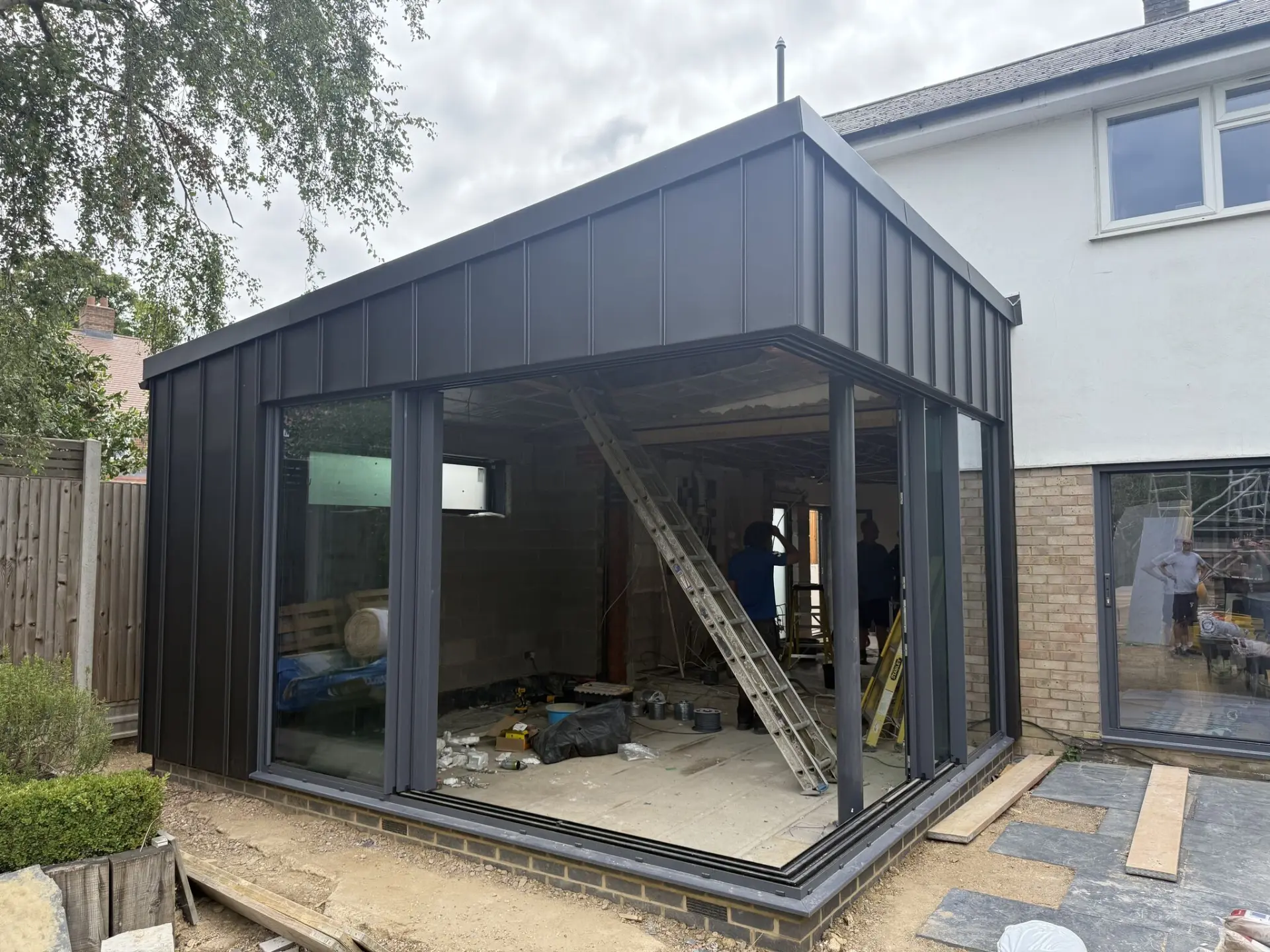
Know When to Call a Professional Roofer
Some maintenance can be managed from ground level, such as watching for visible changes and keeping safely accessible drainage areas clear. Work that requires access onto the roof is different. Metal surfaces can become extremely slippery, and sharp edges or weak sections create further risks.
A professional inspection should be arranged if there are leaks, loose sheets, significant rust, damaged flashing, serious dents or visible changes in the roof's shape. New rattling or banging sounds during windy weather can also indicate that part of the roof has become loose.
Using incorrect screws, paints or sealants can cause further damage. Materials used for repairs should suit both the roof metal and its protective coating.
When arranging work, ask for a clear explanation of the problem, the proposed repair and the materials that will be used. Keeping a record of completed work can make future maintenance easier and help identify parts of the roof that may need closer attention.
Create a Simple Metal Roof Maintenance Routine
A planned routine makes metal roof maintenance easier to manage. Homeowners should regularly look at the roof from a safe location and check for visible rust, loose sections, damaged flashing, blocked drainage or changes in shape. Additional checks are useful after strong winds, hail, falling branches or unusually heavy rainfall.
Gutters and downpipes should be kept clear so that rainwater can leave the roof efficiently. Leaves and debris should not be allowed to remain against metal surfaces for long periods. Any damage to protective coatings should also be assessed before corrosion has time to spread.
Inside the home, watch for water stains, damp smells, mould or changes around ceilings and upper walls. These may provide the first sign of a roof problem that is difficult to see from outside.
Most importantly, maintenance should focus on finding small problems early. A loose fixing, damaged seal or small patch of corrosion may be much easier to deal with before it develops into a leak or affects a larger part of the roofing system. Regular professional inspections can support this approach and help keep a domestic metal roof in reliable condition.
Riverside provides professional metal clad roofing services for domestic properties in London. Regular inspections, suitable repairs and planned maintenance can help protect your metal roof and keep it performing reliably for longer.