Metal Roofing vs Traditional Roofing: What Is the Difference?
Choosing a new roof is a major decision for any homeowner. The roof needs to protect the property from rain, wind and changing temperatures while also fitting the style of the building. Two broad options are metal roofing and traditional roofing materials such as concrete tiles, clay tiles and natural slate.
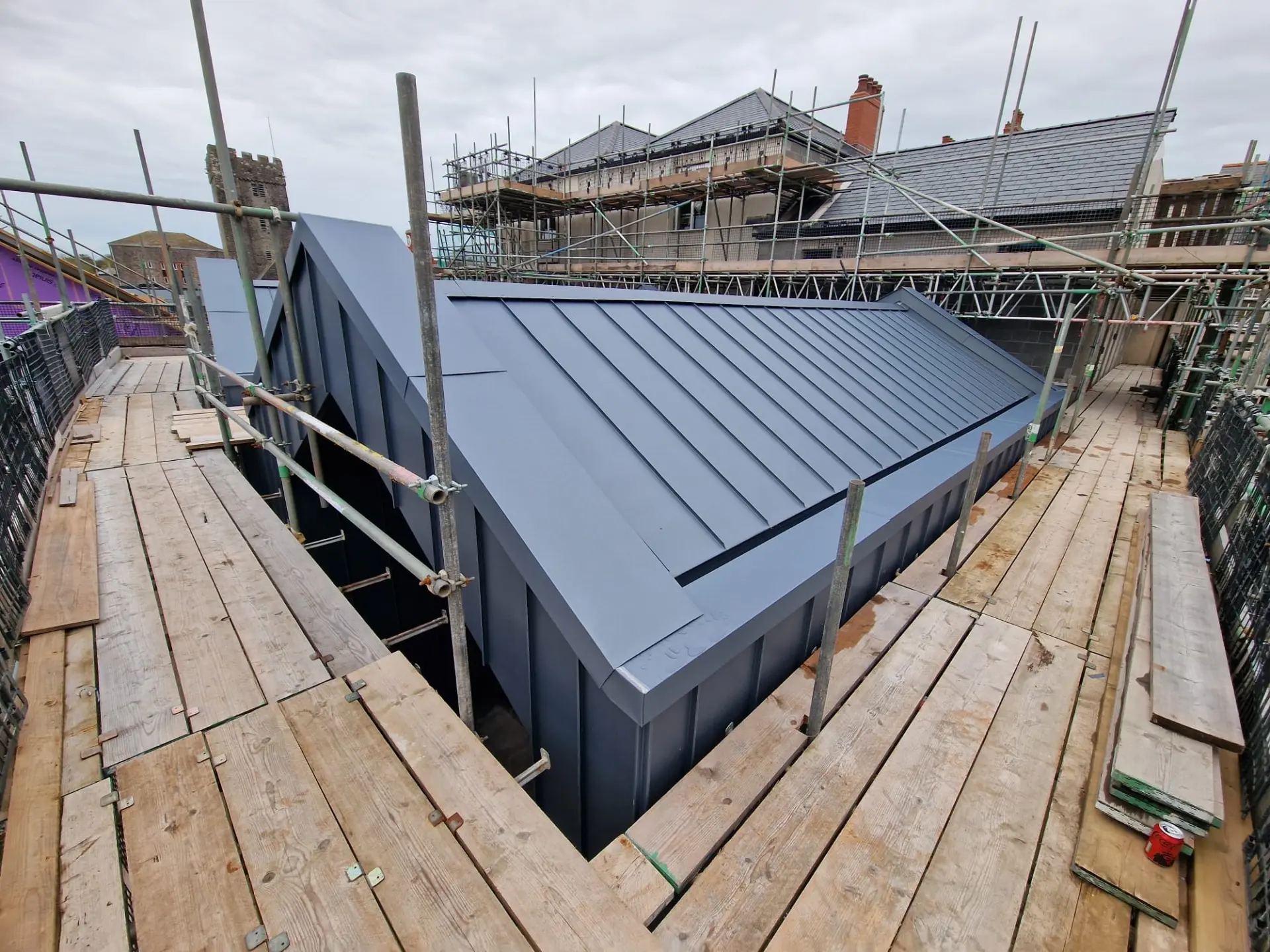
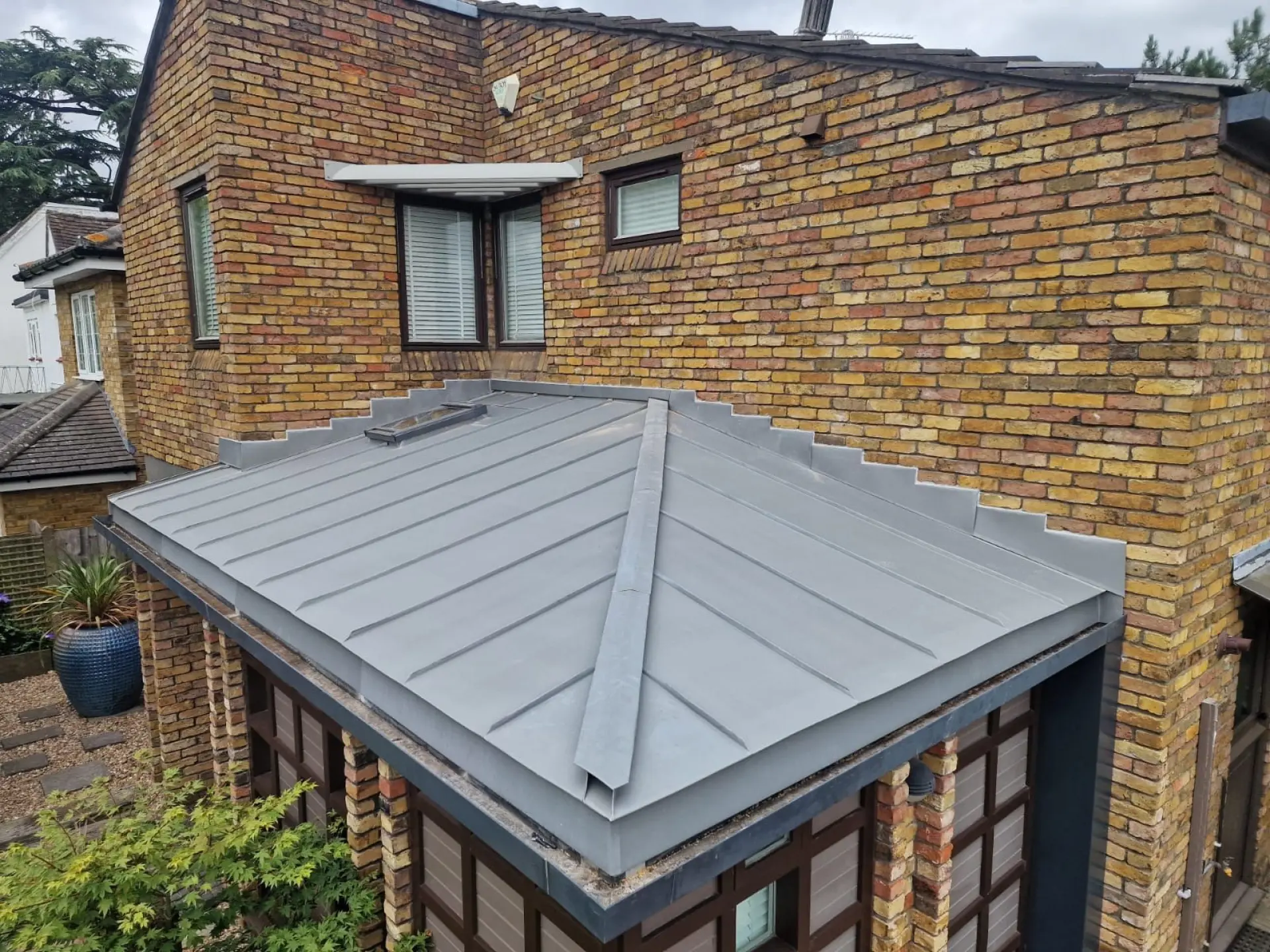
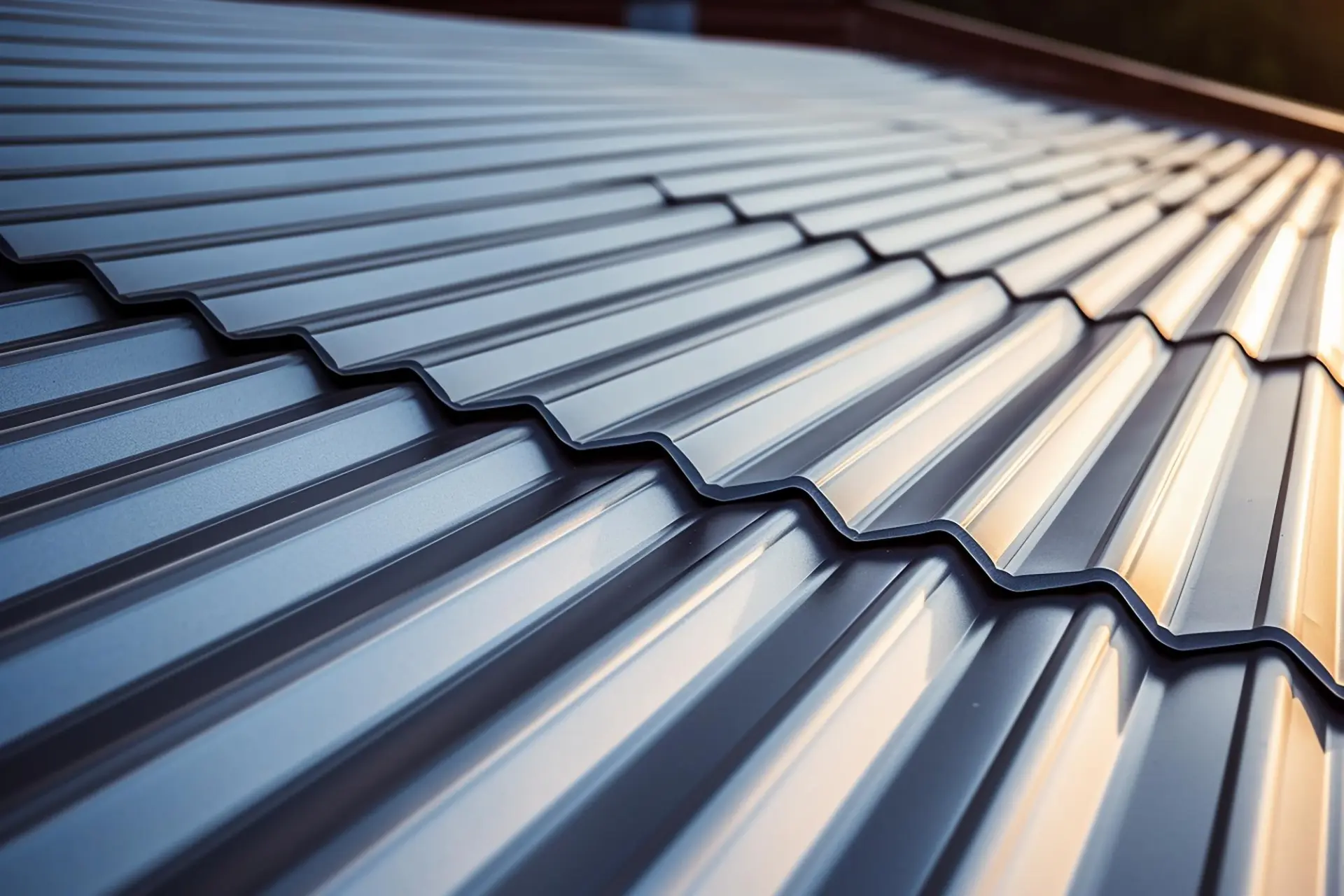
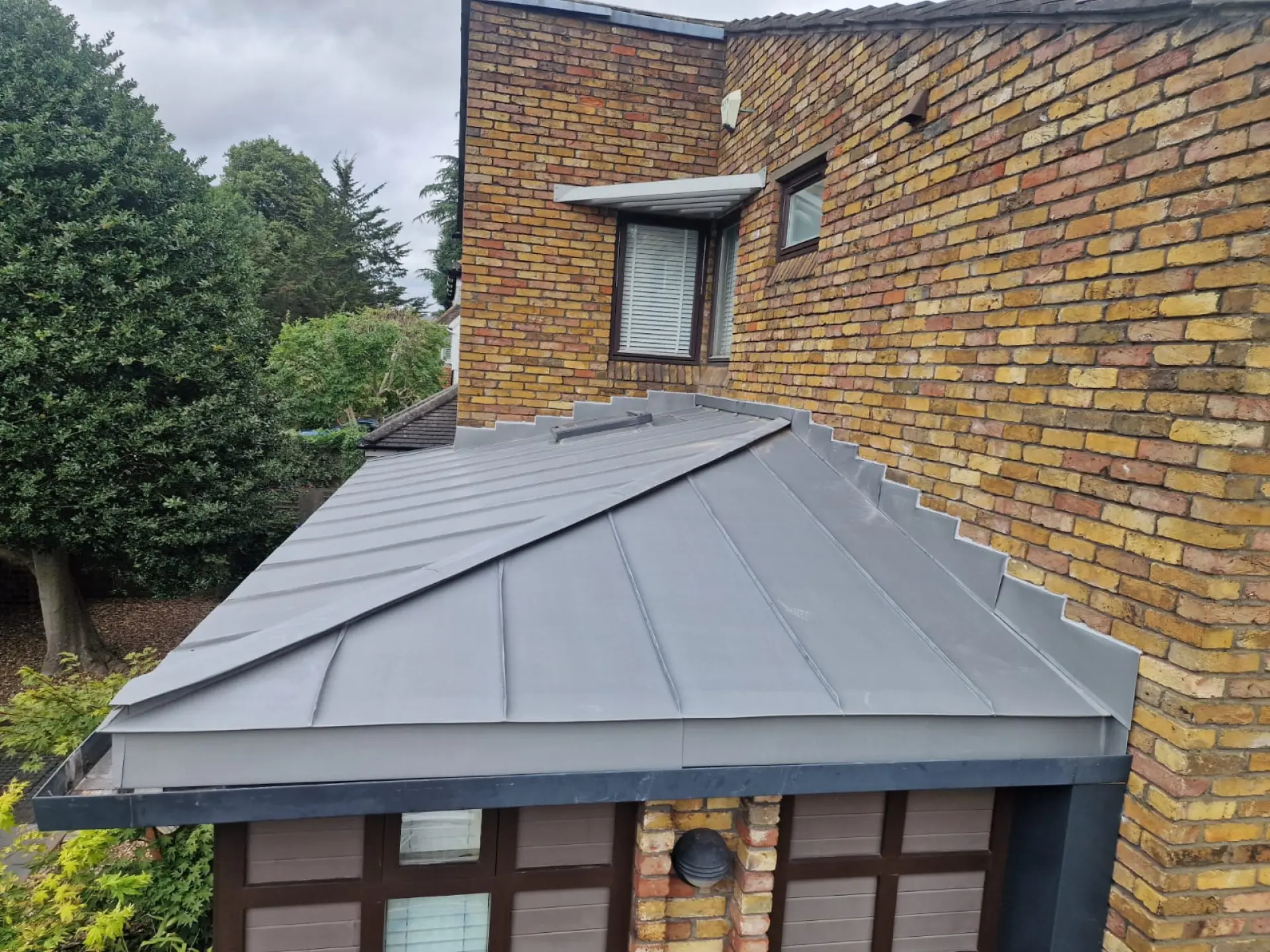
Metal roofing is made from sheets or panels that are fixed together to create a weather-resistant covering. Steel and aluminium are common choices. Modern systems are available in a wide range of colours and finishes, which means metal roofing is no longer limited to agricultural or commercial buildings.
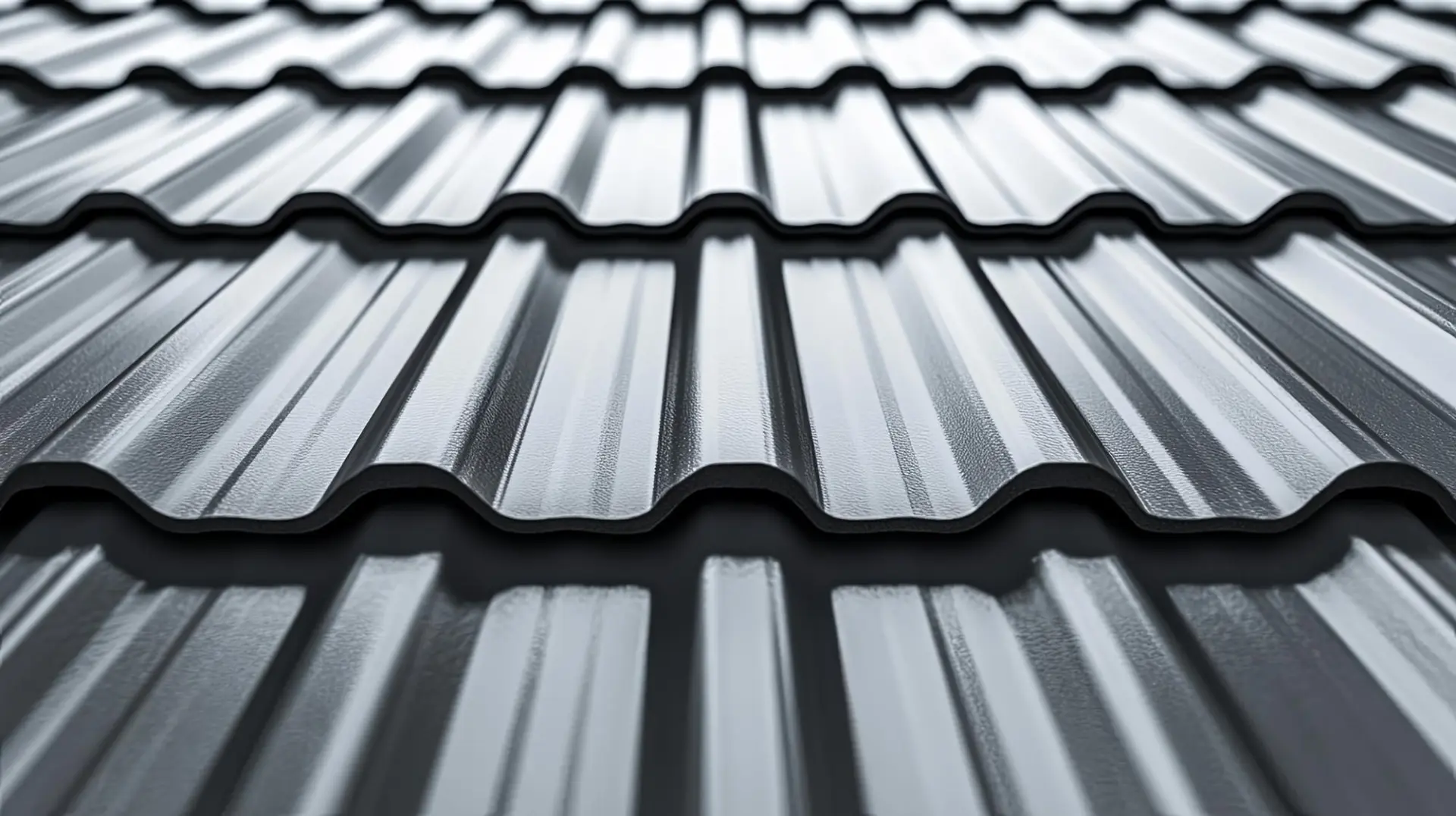
Traditional pitched roofs are more commonly covered with individual tiles or slates. They remain a familiar sight across the United Kingdom and can work particularly well on older or traditionally designed properties.
Neither option is automatically right for every home. Cost, expected lifespan, maintenance, appearance, roof structure and local conditions all need to be considered. Understanding these differences can help homeowners make a more informed choice.
How Long Can Each Type of Roof Last?
Lifespan is one of the main reasons homeowners consider metal roofing. A well-designed and correctly installed metal roof can remain in service for many decades. Its actual lifespan depends on the metal, protective coating, installation quality, exposure to weather and how well the roof is maintained.
Traditional roofing can also provide a long service life. Concrete tiles, for example, are generally expected to last 60 years or more according to roofing manufacturer Marley. Clay tiles and good-quality natural slate may also remain usable for several decades when they are correctly installed and maintained.
This means the comparison is not simply between a long-lasting metal roof and a short-lived traditional roof. High-quality materials in either category can perform for many years. The condition of fixings, flashing, underlayers, gutters and the supporting roof structure will also affect how long the complete roofing system lasts.
Homeowners should therefore compare complete roofing systems rather than looking only at the expected life of the visible covering. A roof with good materials but poor installation may develop problems much earlier than expected.
Which Roof Handles Bad Weather Better?
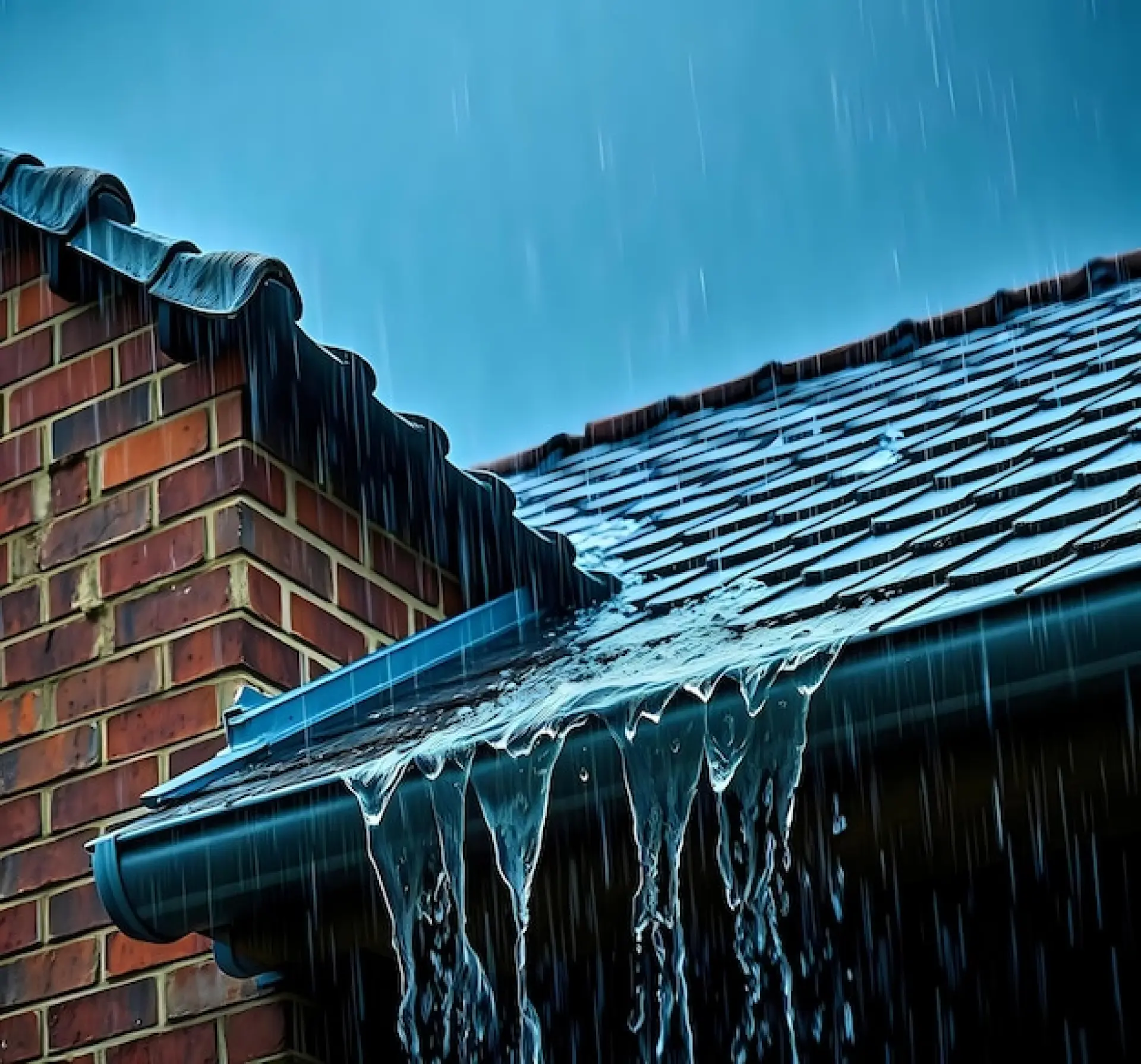
Both metal and traditional roofs can provide strong weather protection when they are designed and installed correctly. Metal sheets create large areas of continuous covering with fewer individual pieces than a tiled roof. This can reduce the number of separate tiles that may become cracked, loose or displaced during severe weather.
However, metal roofing still relies on secure fixings, seams, flashing and protective coatings. Loose sheets or damaged joints can allow wind-driven rain beneath the roof. Traditional tiles can also become loose or broken during storms, particularly as the roof ages.
The importance of roof condition is shown by recent government figures. The English Housing Survey for 2024 to 2025 found that 4.2 million dwellings had householders report new moisture damage following a storm during the previous 12 months. Among homes where the roof was identified as being in disrepair, 38% experienced moisture damage following a storm, compared with 17% of homes without roof disrepair.
Whatever material is selected, correct installation and regular maintenance remain important parts of keeping a home protected.
Maintenance Requirements
Metal roofing is often selected because it can have relatively simple maintenance needs. Regular checks should focus on coatings, seams, fixings, flashing and drainage. Scratches or damaged coatings should be dealt with before exposed metal begins to corrode.
Tiled and slate roofs need a different type of attention. Individual tiles or slates can crack, move or become damaged, and replacements may be needed over the life of the roof. Ridge tiles, flashing and mortar may also require repairs.
Both systems should have gutters and outlets kept clear so rainwater can leave the roof properly. Problems should also be checked after severe storms rather than waiting until water appears inside the home.
Maintenance costs will depend on the roof design, access, age and local conditions, so homeowners should consider long-term upkeep as well as the original installation price.
Installation Cost and Long-Term Value
The price of a roof can vary greatly, which makes simple cost comparisons difficult. The size and shape of the property, roof pitch, chosen material, access, insulation requirements and amount of preparation work can all change the final price.
Metal roofing may have a higher initial cost than some common concrete tile systems. Specialist installation may also be required to make sure that panels, fixings and joints can deal correctly with movement caused by changing temperatures.
Traditional concrete tiles are widely available and can provide a cost-effective option for many standard pitched roofs. Natural slate and some clay tiles can cost considerably more, particularly where specialist fitting is required.
The cheapest quotation is therefore not always the lowest-cost option over the life of the property. A roof that lasts longer and requires fewer repairs could provide better long-term value even when its original price is higher.
Homeowners should ask for written quotations that clearly explain which materials, insulation, underlayers, flashing and finishing work are included. This makes it easier to compare different roofing systems on a fair basis.
Energy Efficiency and Indoor Comfort
The roofing material is only one part of a home's energy performance. Insulation, ventilation, roof colour, air gaps and the design of the complete roof system can have a greater effect on indoor comfort than the outer covering alone.
Metal roofing can reflect part of the sun's energy, particularly when a suitable light or reflective finish is used. This can help limit heat entering the roof during warm weather. However, the amount of benefit will depend on the specific product and the rest of the roof construction.
Traditional tiles also provide reliable protection and can be combined with modern insulation to create an energy-efficient roof. Their greater weight can provide different heat-storage properties, although insulation remains important for reducing heat loss during colder periods.
Homeowners considering either option should therefore look beyond the outer material. Upgrading insulation when a roof is replaced can be an important opportunity to improve the wider performance of the property.
Ventilation should also be considered carefully. A correctly designed roof helps control condensation and moisture, protecting insulation and structural parts beneath the covering.
Sustainability and Recycling
Environmental impact is becoming a more important part of roofing decisions. Metal has a significant advantage at the end of its working life because steel can be recovered and recycled rather than simply treated as waste.
Data published by the World Steel Association in 2026 provides a useful indication of this potential. Its assessment of steel products used for applications including roofing and profiled sheets uses a 95% end-of-life recycling rate. The underlying production information was collected from 169 steel production sites operated by 34 companies and covers production between 2020 and 2024.
Traditional materials can also have environmental benefits. Long-lasting clay tiles and natural slate do not need frequent replacement when they remain in good condition. Some tiles and slates may also be reused when they are carefully removed.
A fair environmental comparison needs to consider more than whether one material can be recycled. Manufacturing, transport, expected lifespan, maintenance, replacement frequency and what happens to the material when the roof is removed all contribute to its overall impact.
Appearance and Choice of Styles
Traditional tiles and slate remain popular partly because of their familiar appearance. They can suit period properties, cottages and homes in areas where surrounding buildings share a particular style. Natural differences in colour and texture can also give traditional materials a distinctive finish.
Metal roofing creates a cleaner and more modern appearance, although there is now much more design choice than in the past. Different profiles, panel widths, colours and finishes make it possible to use metal on contemporary homes, extensions and some traditional buildings.
Weight and Roof Structure
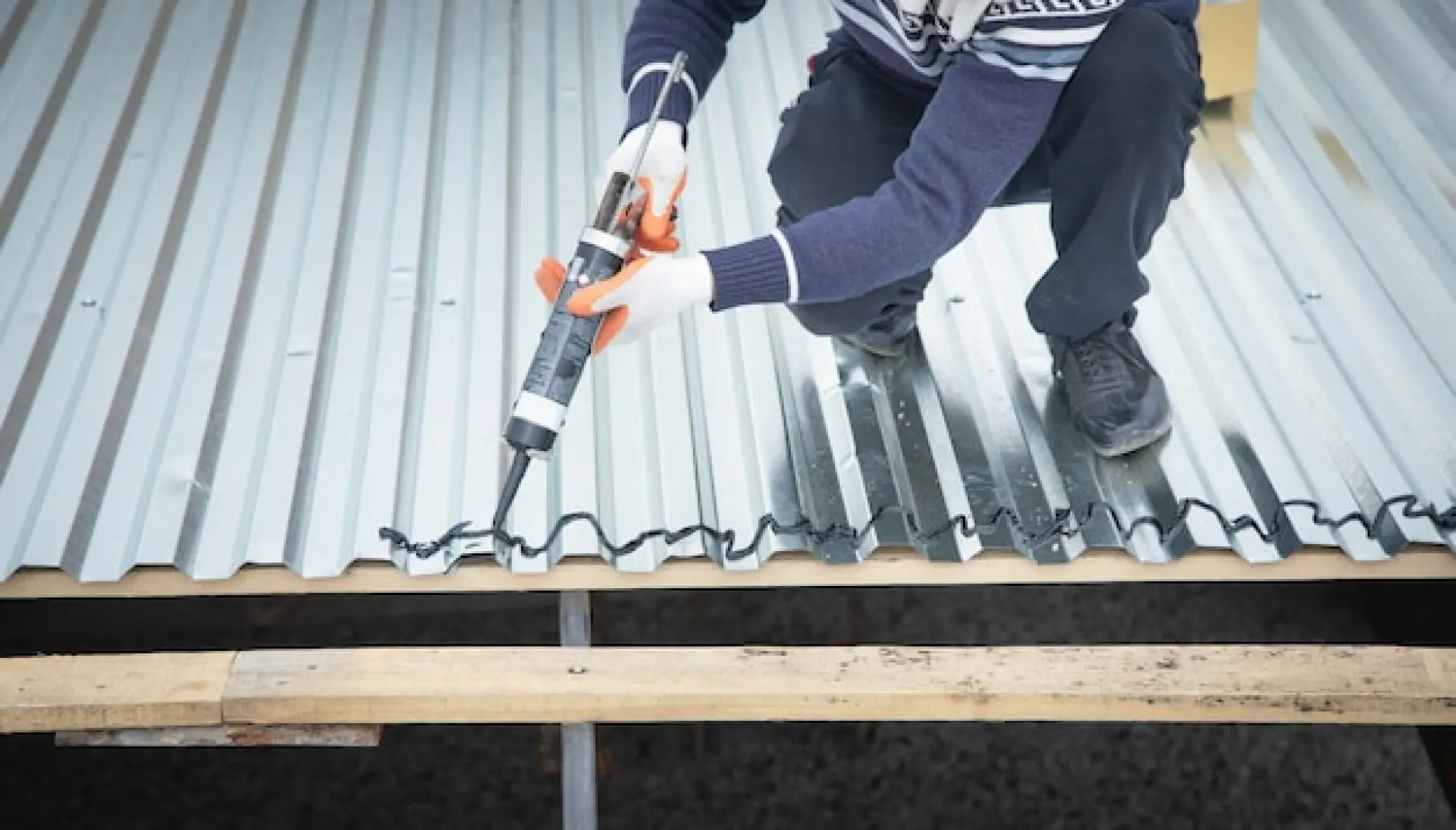
Metal roofing is generally much lighter than concrete tiles and many other traditional coverings. This can be useful where reducing the load placed on the roof structure is important.
However, a lighter material does not mean that every existing property can simply be changed from tiles to metal. The complete roof still needs to be assessed to make sure the structure, spacing of supports and fixing method are suitable for the new system.
Likewise, changing from a lightweight covering to heavier tiles may place additional demands on an existing structure. Professional assessment is particularly important when changing roofing material rather than replacing an existing roof with a similar system.
Noise From Rain and Changing Temperatures
One common concern about metal roofing is noise during rainfall. Rain striking an exposed metal sheet can produce more noticeable sound than rain falling on heavy tiles. Modern residential roof construction can greatly reduce this effect through suitable insulation, boarding and other layers beneath the metal covering.
Metal also expands when it becomes warmer and contracts as it cools. A properly designed system allows this movement to happen without damaging panels or fixings. Some clicking or movement-related sound may still occur, depending on the roof design.
Traditional tiled roofs are often considered quieter during rain because the individual tiles are heavier and sit over several layers of roof construction. However, loose tiles, damaged parts and water entering hidden spaces can still produce unwanted sounds.
If noise is an important concern, homeowners should discuss the complete roof build-up before choosing a material. Insulation and correct fitting can make a substantial difference to the way either type of roof performs inside the home.
What About Repairs and Roof Damage?
The way a roof is repaired differs between metal and traditional materials. A damaged tile or slate can often be replaced individually, which may make a small local repair relatively straightforward. However, widespread tile failure, damaged underlayers or structural problems can result in much larger work.
Metal roof damage may involve coatings, panels, seams or fixings. Small areas of surface damage can sometimes be treated without replacing a complete panel. More serious corrosion, dents, failed joints or badly damaged sheets may require sections to be removed and replaced.
Recent housing figures show why keeping any roof in good repair matters. The English Housing Survey for 2023 found that around 388,000 dwellings in England had roofs recorded as being in poor condition. More recent 2024 to 2025 findings also show a clear connection between roof disrepair and reported moisture damage following storms.
Early repairs can therefore help protect insulation, ceilings, walls and the roof structure from more extensive water damage.
Is Metal Roofing Becoming More Popular?
Metal roofing has become more widely considered for residential properties as homeowners look for long-lasting and lower-maintenance alternatives to familiar roofing materials.
Recent figures from the Metal Roofing Alliance show how significant that change has been in the United States residential market. In information published in 2026, the organisation reported that metal roofing had grown from around 3% of the residential roofing market when the organisation began to more than 17%.
Separate research published in August 2026 expects residential metal roofing to continue growing, with roof replacement work accounting for the great majority of the predicted market opportunity. These figures relate to the United States rather than the United Kingdom, so they should not be treated as a measure of British roofing choices. However, they demonstrate the wider move towards metal as a residential roofing material.
For homeowners, increasing interest can also mean a broader choice of residential profiles, coatings, colours and finishes than was available in the past.
Which Roofing Option Is Better for Your Home?
There is no single roofing material that will be the right choice for every property. Metal roofing can be particularly attractive when low weight, long-term durability, recyclable material and a modern appearance are important. It can work well on new homes, extensions and properties where a clean contemporary finish is wanted.
Traditional concrete, clay or slate roofing remains an excellent choice for many homes. These materials have a familiar appearance, can provide a long service life and may be more suitable where the character of the existing building needs to be maintained.
Planning restrictions and local requirements should also be checked before changing the appearance or material of a roof. This can be particularly important for listed buildings and properties in protected areas.
The final decision should consider the condition of the existing structure, installation cost, expected maintenance, appearance, insulation and how long the homeowner expects the roof to remain in service. A professional roof assessment can help identify which materials are suitable before work begins.
Making an Informed Roofing Decision
Metal and traditional roofing can both provide reliable protection when suitable materials are installed correctly. The main differences are found in weight, appearance, maintenance, repair methods and the way the material performs over its working life.
Rather than choosing on price alone, homeowners should compare the complete roof system and its expected long-term costs. A detailed survey and written quotation can make it easier to understand what work is required and which solution is most suitable for the property.
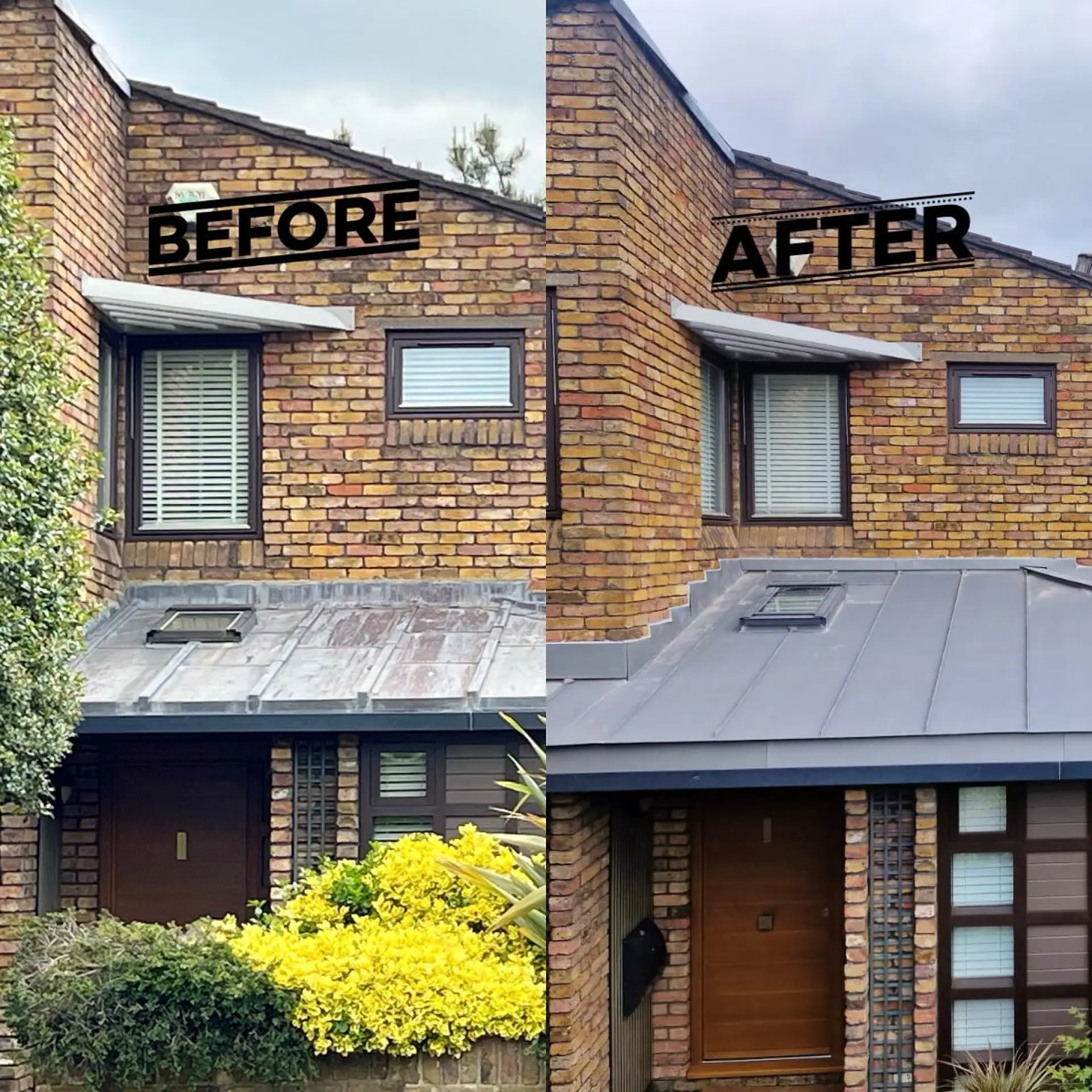
Professional Installation Matters
Whichever roofing material is selected, installation quality plays an important part in its performance. Poorly fitted sheets, tiles, flashing or drainage can allow water into a property even when the roofing material itself is in good condition.
A professional roofer can inspect the existing structure, explain the available options and identify any work needed before the new covering is installed. Homeowners should request clear information about the materials, installation method, expected maintenance and guarantees.
Regular inspections after installation can then help identify small problems before they develop into more expensive repairs.
Riverside provides professional metal roofing services for homes and commercial properties throughout London and the surrounding areas. Each roof is designed to suit the building and provide reliable, low-maintenance and long-lasting protection.