Why Weather Matters for Domestic Metal Roofing
Metal roofing is designed to provide long-lasting protection for a home, but it is exposed to changing weather throughout the year. Rain, wind, heat, frost, snow and strong sunlight can all affect the roof surface, fixings, joints and protective coatings. The effect is usually gradual, although severe storms can cause damage within a much shorter period.
Weather conditions in the United Kingdom are also changing. The Met Office reported that 2025 was the warmest year in the United Kingdom temperature record, which dates back to 1884. The decade from 2016 to 2025 was 0.51°C warmer than the 1991 to 2020 average. These figures are important for metal roofs because temperature changes cause metal sheets to expand when warm and contract when they cool.
Rainfall remains another important consideration. Although 2025 received only 90% of the long-term average annual rainfall, recent climate records show that the October-to-March period from 2016 to 2025 was 3% wetter than the 1991 to 2020 average. Regular inspection and suitable maintenance can help a domestic metal roof cope with these changing conditions.
Heavy Rain and Prolonged Wet Weather
A correctly installed metal roof provides an effective barrier against rain. Problems can develop, however, when water repeatedly reaches damaged coatings, loose fixings, open seams or poorly sealed roof details. Small weaknesses that cause no obvious problem during light rain may allow water inside during prolonged or wind-driven rainfall.
Recent weather records show how much rainfall can vary. The United Kingdom recorded 1,242 millimetres of rain during 2024, equal to 107% of the 1991 to 2020 average. Southern England received 121% of its average rainfall that year. Frequent wet conditions can increase the amount of time roof surfaces, gutters, joints and fixings remain damp.
Standing water is particularly important on shallow roof areas. Leaves, moss and other material can slow drainage and keep moisture against the metal. If the protective finish has already been damaged, this can increase the risk of corrosion.
Gutters, outlets and downpipes should therefore be kept clear so rain can leave the roof quickly. After periods of unusually heavy rainfall, homeowners should also look for damp marks, overflowing gutters, staining around roof edges or other signs that water is not draining correctly.
Heat, Sunshine and Thermal Movement
Metal responds naturally to changes in temperature. Roof sheets expand as they become warmer and contract when they cool. A properly designed roofing system allows this movement to take place, but repeated expansion and contraction can place stress on fixings, joints, sealants and flashing if these parts are damaged or incorrectly installed.
The United Kingdom temperature record reached 40.3°C at Coningsby, Lincolnshire, on 19 July 2022. The Met Office also reports that temperature extremes are becoming more frequent and intense. This makes suitable fixings, flexible seals and correct installation increasingly important for domestic metal roofing.
Strong sunlight can also affect the roof's surface finish over many years. Protective coatings are designed for outdoor exposure, but their condition should still be checked for fading, cracking, peeling or areas where bare metal has become visible. Darker roof surfaces may also become considerably warmer than the surrounding air when exposed to direct sunlight.
Problems caused by thermal movement often appear around joints and fixings rather than across the centre of a sheet. Loose screws, enlarged fixing holes, cracked sealant or repeated clicking sounds can indicate unwanted movement. These signs should be inspected before they develop into openings that allow rainwater beneath the roof.
Strong Winds and Storm Damage
Strong winds can place considerable pressure on a domestic metal roof, particularly around edges, corners, ridges and other exposed areas. Wind moving across a building can create forces that try to lift roof sheets away from their supports. Secure fixings and correctly installed edge details are therefore essential.
Storm Éowyn demonstrated the strength of winds that homes can face. In January 2025, a gust of 100 miles per hour was recorded at Drumalbin in South Lanarkshire. The Met Office described the event as the United Kingdom's most powerful windstorm for more than a decade. Several locations recorded exceptionally high wind speeds during the storm.
Wind damage does not always involve a sheet being completely removed. A panel may lift slightly, a fixing may loosen or flashing may bend away from the surface. Wind-driven rain can then enter openings that would remain dry during calmer conditions.
Homeowners should inspect the property from ground level after severe winds. New rattling noises, raised sheet edges, loose flashing or roofing material found around the property can indicate damage. Roof access should be left to trained professionals because metal surfaces can be slippery and unsafe.
Cold Weather, Frost, Snow and Ice
Winter creates different pressures on metal roofing. As temperatures fall, metal contracts. Repeated movement between cold nights and warmer daytime conditions can affect joints, fixings and seals over time. Water that reaches small gaps may also freeze when temperatures fall below zero.
Water expands when it freezes, so repeated freezing and thawing can make an existing opening or damaged joint worse. Ice may also form in gutters and drainage areas, slowing the movement of melting snow or later rainfall. Good drainage becomes particularly important when temperatures begin to rise again.
Snow can add weight to a roof, although the amount of pressure depends on its depth and water content. Domestic roofing should have been designed for expected local conditions, but unusually heavy accumulation may expose existing structural weaknesses. Bent sheets, unusual movement or visible changes in the roof line should be assessed professionally.
Homeowners should not attempt to remove ice or snow by striking the metal roof with tools. This can scratch protective coatings, dent sheets and damage joints. If there is concern about a large build-up or possible structural movement, professional advice is safer.
Hail, Branches and Wind-Blown Objects
Hail and storm debris can leave visible dents in metal roof sheets. Small dents may be largely cosmetic, but deeper impacts can damage the protective coating or place stress on seams and fixings. Once the coating has been broken, moisture may reach the metal beneath and increase the chance of corrosion.
Branches are another possible source of damage during storms. A heavy impact can bend a panel, damage a ridge or flashing section, or create a sharp scratch. Any obvious impact damage should be checked, especially if it is followed by leaks, rust marks or movement during later windy weather.
Damage may not always be clear from ground level. A hailstorm can create many small marks across a wide area, while a branch may affect hidden seams or fixings beneath the point of impact. Water entering through a damaged area can also travel beneath the roof before becoming visible indoors.
Following severe weather, homeowners can look for new ceiling marks, damp insulation, pieces of coating in gutters or unusual sounds from the roof. A professional inspection can determine whether the metal remains sound and whether repairs are needed to coatings, sheets, fixings or weatherproof joints.
Coastal Weather and the Risk of Corrosion
Homes near the coast face an additional challenge because moisture in the air may contain salt. Salt deposits can remain on exposed roof surfaces and may speed up corrosion if the protective coating is damaged or unsuitable for the location. The level of exposure will depend on distance from the sea, prevailing winds and how sheltered the property is.
Corrosion often begins around cut sheet edges, fixings, scratches and joints where moisture can remain for longer. It may first appear as small areas of discolouration before spreading beneath a damaged coating. Regular checks can identify these areas before significant metal loss occurs.
The correct roofing material and protective finish should always be chosen with the property's location in mind. A system suitable for a sheltered inland home may not necessarily offer the same service life in a highly exposed coastal setting.
Keeping gutters and roof surfaces free from material that traps moisture can also help. Where corrosion is found, simply applying paint over the affected area may not solve the cause. The surface should be assessed and prepared correctly before a suitable repair or protective treatment is applied.
How Changing Weather Patterns May Affect Metal Roofs
Long-term climate records suggest that domestic roofs will need to cope with changing conditions. According to the Met Office's State of the United Kingdom Climate 2025 report, the four years from 2022 to 2025 were all among the five warmest years in the national record.
The same report found that the October-to-March period from 2016 to 2025 was 3% wetter than the 1991 to 2020 average and 13% wetter than the 1961 to 1990 average. It also found that very wet months during this part of the year, where rainfall reached twice the 1961 to 1990 average, have approximately doubled in frequency when comparing the most recent decade with 1961 to 1990.
These changes do not mean that every property will experience damage. Metal roofing remains a durable option when it is correctly designed, installed and maintained. However, greater heat and periods of intense rain can place more pressure on areas that are already weak.
Choosing suitable materials, allowing for normal metal movement and keeping drainage systems in good condition can help a roof remain reliable as weather conditions change.
Signs That Weather May Have Damaged a Metal Roof
Some weather-related problems can be identified without climbing onto the roof. Warning signs include new rust marks, raised sheet edges, damaged flashing, overflowing gutters and sections that appear bent or uneven. Inside the home, damp patches, peeling paint, mould or discoloured insulation may indicate water entry.
New rattling, tapping or banging sounds during windy conditions may also suggest that a sheet or flashing section has become loose. Changes that appear soon after a storm, heatwave or freezing period should be investigated rather than ignored, as early repairs can help prevent more extensive damage.
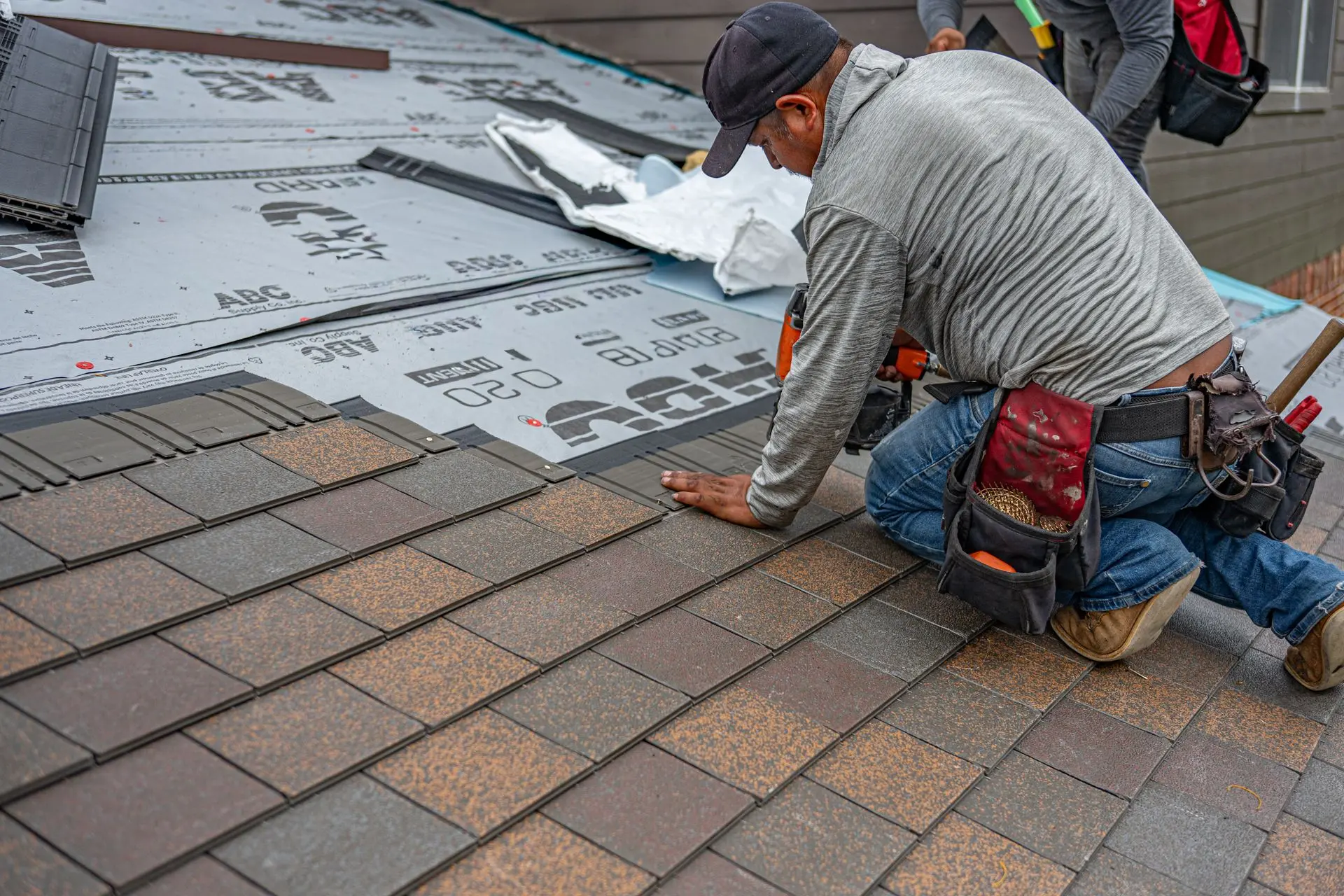
Regular checks are especially useful after severe weather. A roofer can inspect sheets, coatings, seams, flashing, fixings and drainage points for signs of movement or deterioration. Problems found early may require only a local repair rather than replacement of a larger roof section.
Homeowners should avoid walking on metal roofing without suitable training and equipment. Roof sheets can be slippery in wet or icy weather, and incorrect foot placement can damage the surface. Professional inspection provides a safer way to assess the roof and identify repairs that are suitable for the roofing material and local conditions.
Riverside provides professional metal clad roofing services for domestic properties. A correctly installed and maintained metal roof can provide reliable protection against rain, wind, heat and changing seasonal weather.