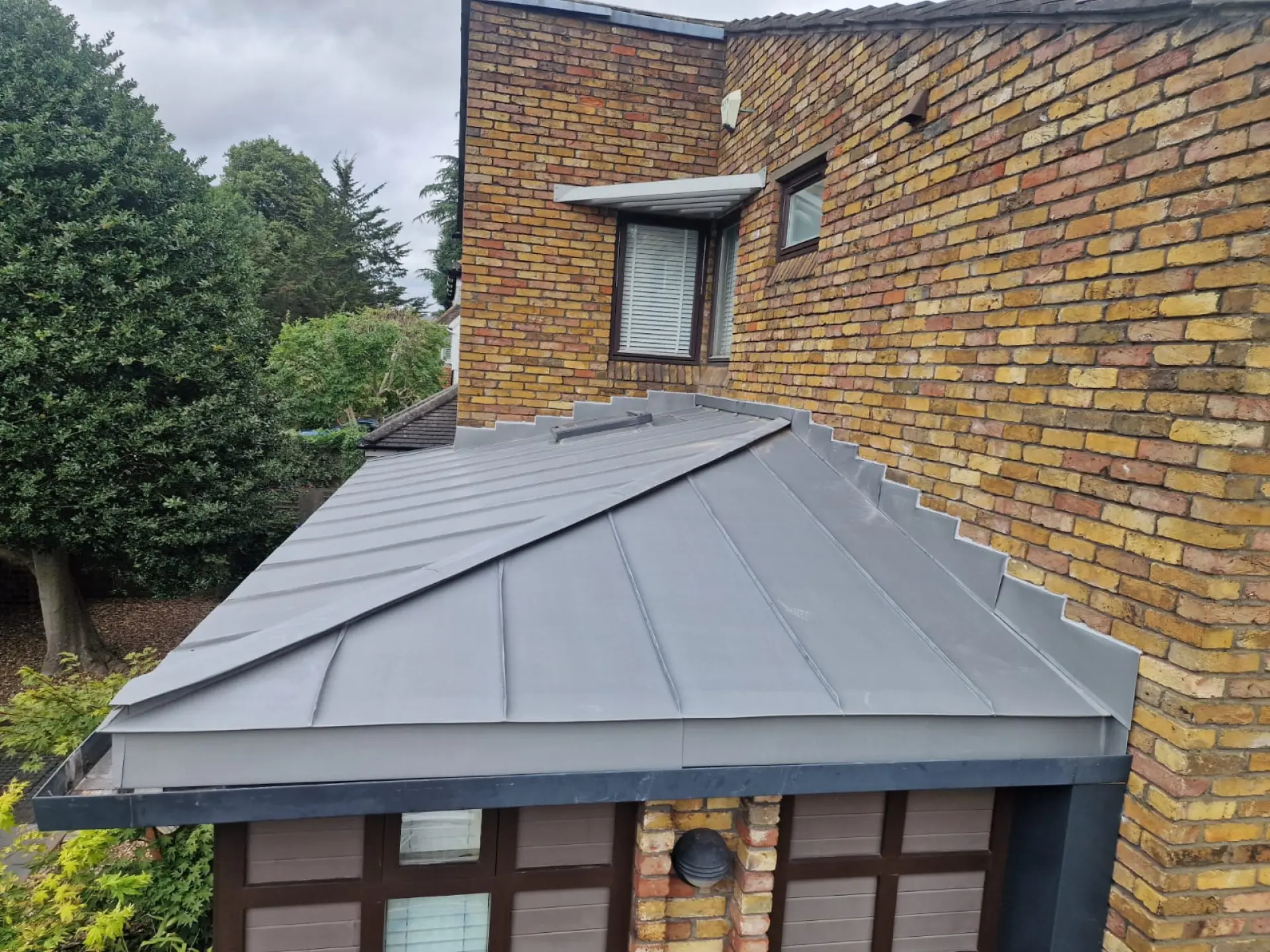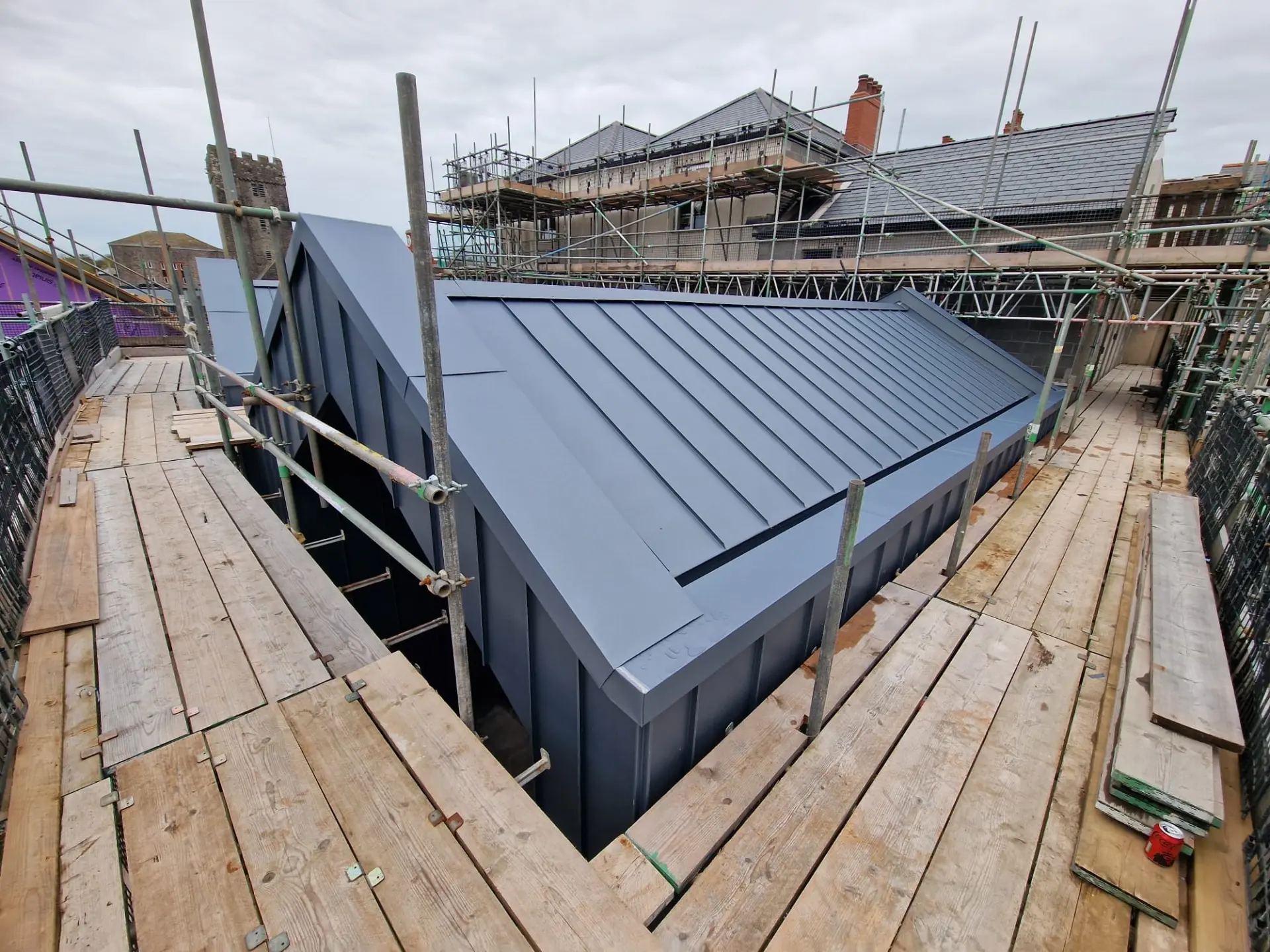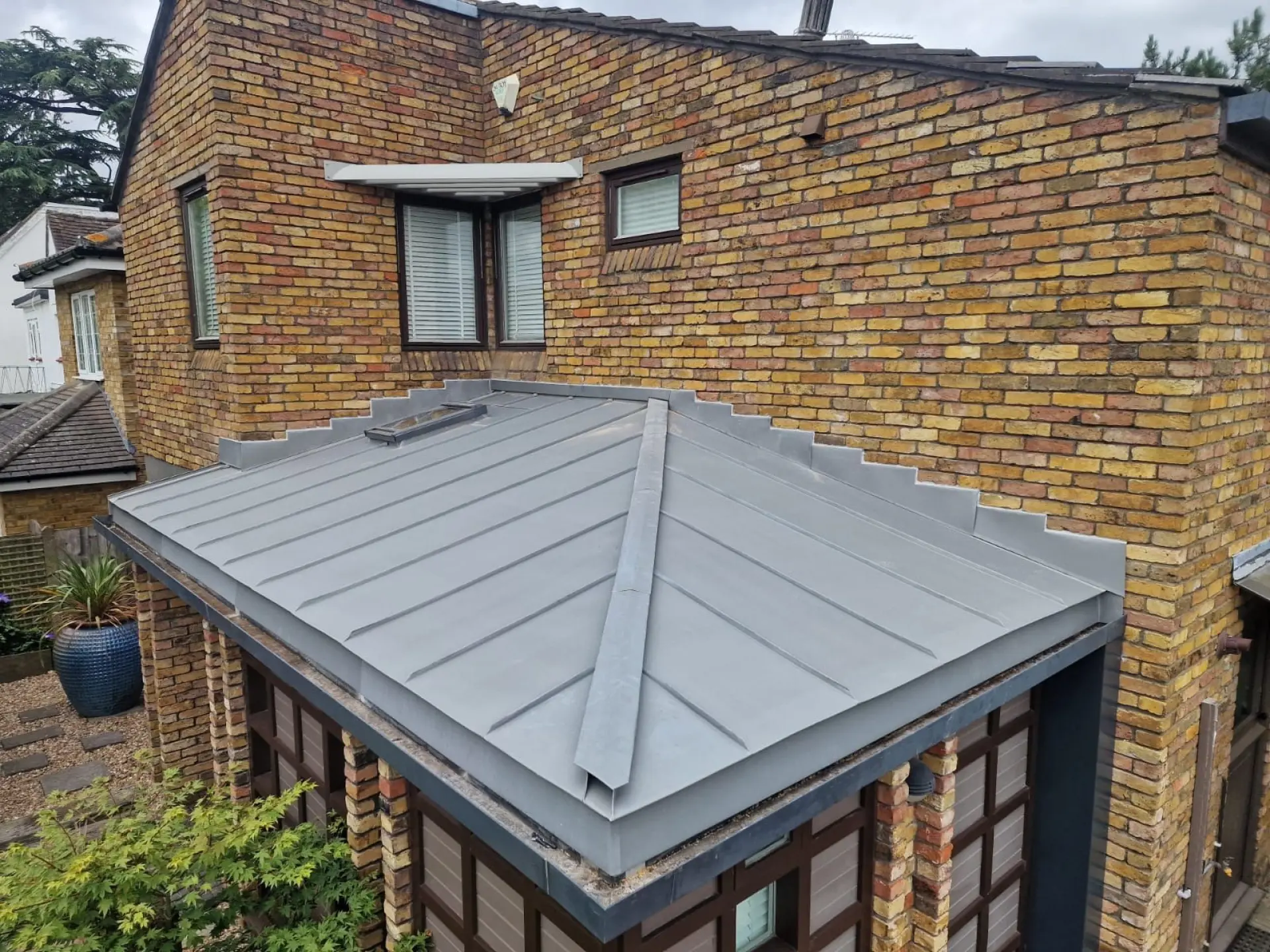
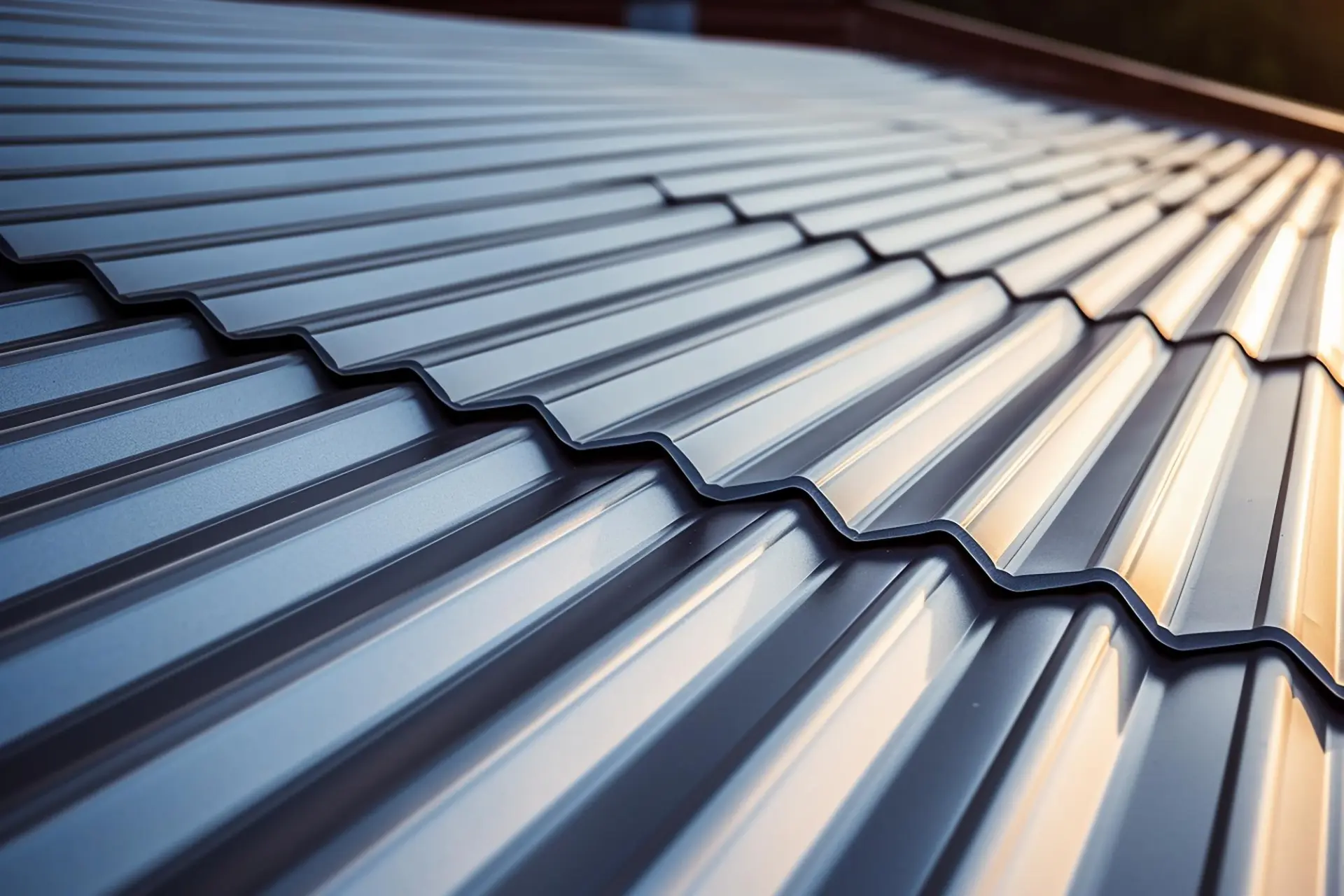
Signs Your Metal Roof Needs Professional Repair are vital for preventing leaks and damage. Our experts diagnose and fix issues to keep your roof secure and weatherproof.
Visible Rust or Corrosion
Rust is one of the clearest signs that a metal roof needs professional attention. Most metal roofing systems have a protective coating that prevents moisture and oxygen from reaching the metal beneath. When this coating becomes scratched, worn or damaged, exposed areas may begin to rust. Small orange or brown marks can gradually spread and weaken the roofing material.
Corrosion often develops around sheet edges, fixings, seams and areas where water collects. It may also appear beneath leaves, dirt or other material that traps moisture against the surface. Properties near the coast can face a higher risk because salt in the air may speed up corrosion. Chemical fumes from nearby industrial work can also damage some metal finishes.
Ignoring rust can lead to holes, weakened sheets and water leaks. Once corrosion has moved beneath the surface coating, simply painting over it will not solve the cause. The affected area must be cleaned and checked carefully. Damaged metal may need to be treated, sealed or replaced before a suitable protective coating is applied.
A professional roofer can identify how far the corrosion has spread and whether it has affected nearby sections. They can also check why the protective layer failed. Early repair may only involve a small area, while delayed action could require complete sheet replacement. Regular checks are especially important after severe weather or when the roof is approaching the later years of its expected life.
Loose, Lifted or Missing Metal Sheets
Metal roof sheets must remain firmly fixed to protect the property from wind and rain. Over time, fixings can loosen because of repeated movement caused by changing temperatures. Metal expands in warm conditions and contracts when temperatures fall. This regular movement can place pressure on screws, clips, washers and other parts holding the sheets in place.
Loose sheets may appear raised at the edges or may move slightly during windy weather. A lifted section can allow rainwater to travel underneath the roof covering. It can also catch strong winds, which may pull the sheet further away from the roof. Once one section becomes loose, nearby sheets and fixings may face additional strain.
Missing sheets create an immediate opening in the roofing system. This can expose insulation, timber, metal supports and internal areas to rain. Even when the opening seems small, wind-driven water can travel a considerable distance beneath the remaining sheets. As a result, damp patches inside the property may appear far away from the original point of damage.
Loose or missing sheets should not be handled without suitable training and safety equipment. Metal surfaces may be slippery, sharp or unable to support weight safely. A professional roofer can secure lifted sections, replace damaged sheets and inspect surrounding fixings. They can also confirm whether the problem was caused by poor installation, material failure, storm damage or normal wear.
Water Leaks Inside the Property
Water marks on ceilings, walls or upper floors are strong signs that the roof may be allowing moisture inside. Other warning signs include peeling paint, damp smells, mould growth and discoloured insulation. Leaks may become most noticeable during heavy rain, although slow water entry can continue unnoticed for a long period before visible damage appears.
Finding the source of a leak is not always simple. Water can enter through a damaged seam, loose fixing, failed seal or small hole, then move along roof supports before dripping into the building. The wet area inside the property may therefore be several metres away from the actual roof fault. Treating only the visible internal mark will not stop further water entry.
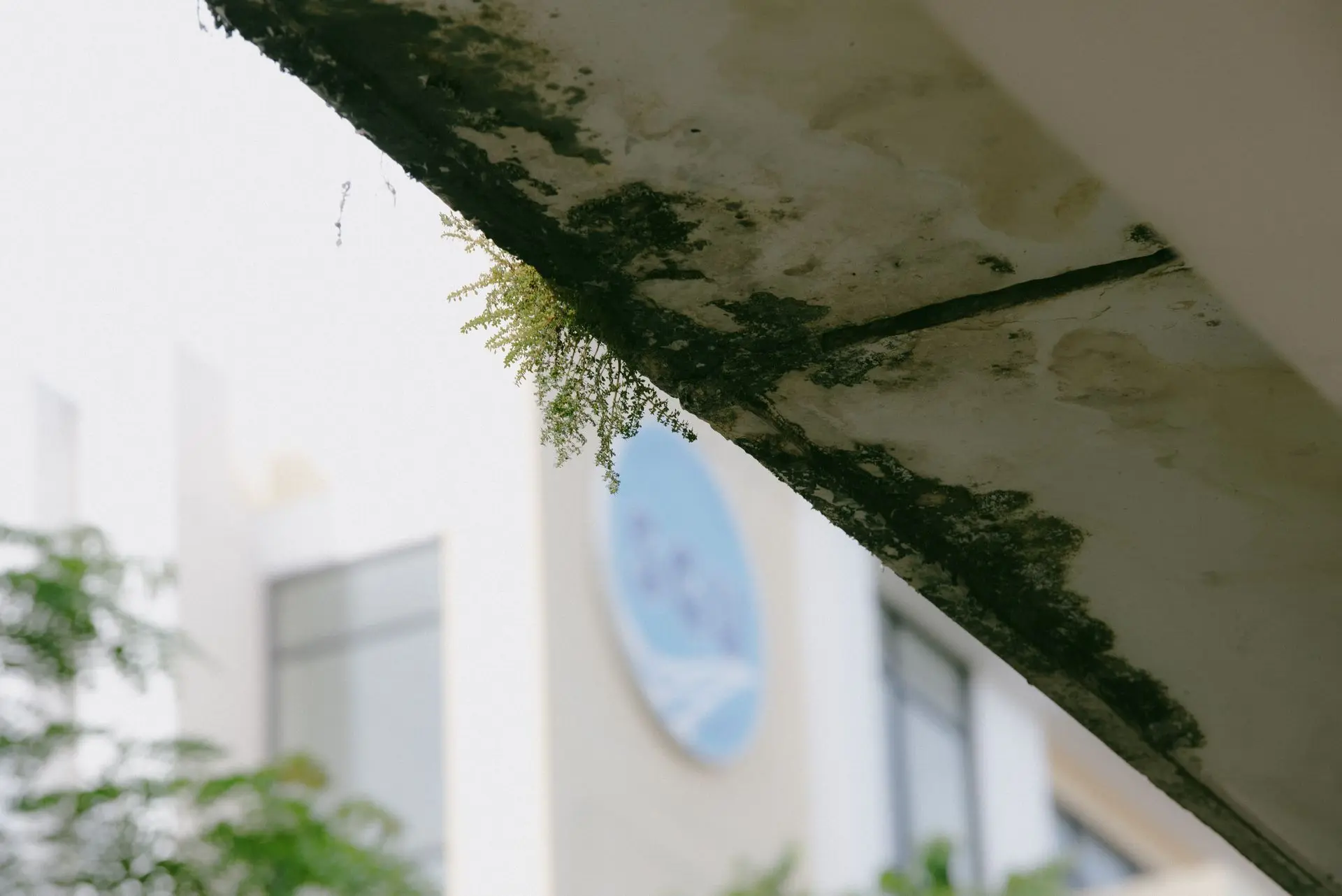
Ongoing leaks can damage ceilings, wall coverings, flooring, insulation and electrical systems. Moisture may also affect stored goods, machinery, office equipment or furniture. In timber-framed areas, long-term damp can weaken structural parts. Mould growth can also create unpleasant indoor conditions and may require separate treatment once the roof has been repaired.
A professional inspection should be arranged as soon as water entry is noticed. The roofer can examine the roof covering, seams, fixings, flashing and drainage system to trace the route of the leak. They can then repair the original fault and advise whether any wet materials beneath the roof need replacing. Prompt action usually limits the area affected and reduces repair costs.
Damaged Seams, Joints or Sealant
Seams and joints connect the different parts of a metal roofing system. They must remain secure and weather-resistant while allowing the metal to move naturally as temperatures change. If a seam opens or becomes damaged, rainwater can pass between the sheets. Even a narrow gap may allow water to enter during strong wind or prolonged rainfall.
Sealant is often used around overlaps, joints, fixings and roof details. Exposure to sunlight, heat, cold and moisture can cause it to harden, crack or separate from the metal. Poorly applied sealant may fail much sooner than expected. Applying new sealant over dirty or damaged material can hide the problem temporarily without creating a lasting repair.
Signs of seam or sealant failure include visible gaps, peeling material, cracked lines and stains around sheet connections. Rust may also develop where moisture has entered the joint. In some cases, the sheets may move against each other and produce unusual sounds. These faults can spread if temperature movement continues to place pressure on the damaged area.
Professional repair involves more than filling visible gaps. The joint must be inspected, cleaned and prepared correctly. Loose sections may need to be realigned or refixed before new sealing materials are used. A roofer will select products that suit the roof material and expected movement. This helps create a repair that remains flexible, secure and resistant to changing weather.
Dents and Storm Damage
Hail, falling branches and wind-blown objects can leave dents in metal roof sheets. Although some dents may appear to be only a surface problem, they can affect the protective coating and change the way water flows across the roof. A deep dent may also place pressure on seams, fixings or the supporting structure beneath the sheet.
Storm damage is not always easy to see from ground level. Strong winds may loosen fixings, lift sheet edges or damage flashing without removing any roof sections. Hail can create many small marks across a wide area. Heavy branches may bend panels, crush roof details or leave sharp damage that allows water to reach the unprotected metal.
After a storm, signs inside the property may include new leaks, damp insulation or pieces of roofing material around the building. Gutters may contain coating fragments, sealant or damaged fixings. Unusual roof movement or sounds during later windy weather can also suggest that sheets have become loose. These warnings should be investigated rather than left until another storm occurs.
A professional roofer can carry out a detailed storm inspection and record the condition of the roof. They can decide whether dented sheets remain sound or need replacement. They can also inspect hidden fixings, seals and support areas. Clear photographs and written findings may be useful when reporting insured damage, although cover will depend on the terms of the policy.
Unusual Noises During Wind or Rain
Metal roofs naturally make some noise when rain falls or temperatures change. However, new, louder or repeated sounds can indicate that part of the roof has become loose. Flapping, tapping, rattling or banging during windy weather may be caused by lifted sheets, damaged flashing or fixings that no longer hold the metal firmly.
Clicking and popping sounds can occur as metal expands and contracts. A correctly designed roof allows for this movement without placing too much pressure on the sheets. If the noise becomes stronger or more frequent, parts of the roof may be rubbing, bending or moving incorrectly. This can lead to worn coatings, enlarged fixing holes and damaged joints.
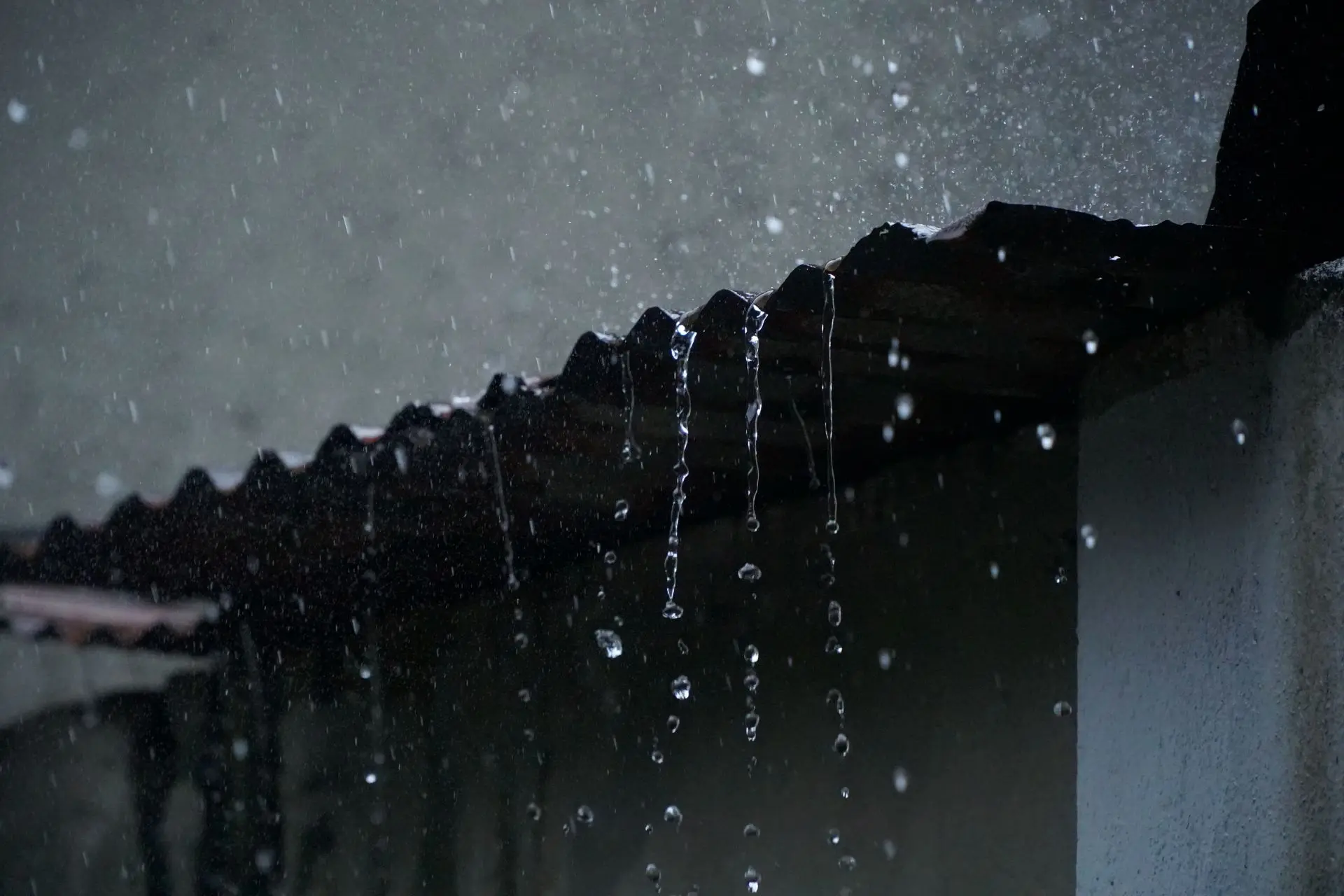
Noise during rainfall may also reveal problems beneath the roof covering. Missing insulation, loose internal layers or damaged roof supports can make normal rain sound much louder. Water dripping into hidden spaces may create a repeated tapping sound after the rain has stopped. This may be an early warning of a leak that has not yet reached a visible ceiling.
The type, location and timing of the sound can help a professional identify the cause. A roofer can inspect the sheets, fixings, flashing and internal roof space where access is safe. They can secure moving parts and check for related water damage. Investigating unusual noises early may prevent a loose section from becoming detached during stronger winds.
Problems Around Flashing and Gutters
Flashing protects the places where the roof meets walls, chimneys, vents, rooflights and other features. These areas are more complex than open roof sections and are common points for water entry. Flashing can split, lift, bend or pull away because of age, poor fitting, storm damage or regular movement in the roofing materials.
Warning signs include gaps around roof openings, loose metal edges, damaged sealant and rust stains near joints. Water marks may appear on walls or ceilings beneath these areas. Flashing problems can be difficult to identify because the visible damage may be small. Rain driven by wind can enter a narrow opening and spread beneath the roof covering.
Gutters and outlets must carry water away from the roof efficiently. Leaves, dirt and other material can block the flow, causing water to collect or spill over the edges. Standing water may increase pressure on joints and encourage corrosion. Damaged or poorly aligned gutters can also direct water towards walls, foundations and entrances rather than into the drainage system.
A professional roofer can check that flashing is secure, correctly shaped and properly sealed. They can also inspect gutters, outlets and downpipes for damage or poor alignment. Repairs may include replacing bent flashing, renewing seals or adjusting drainage parts. Keeping these areas in good condition protects both the roof and the wider building from avoidable water damage.
Sagging or Uneven Roof Areas
A metal roof should normally appear straight and evenly supported. Any section that looks sunken, bowed or uneven may indicate a problem beneath the surface. Sagging can develop when supporting parts become damaged, weakened or overloaded. It may also occur if water has entered the roof system and affected insulation, timber or other structural materials.
Standing water is a common concern on low-sloped metal roofs. If the surface no longer directs rain towards the outlets, water may remain in shallow areas after a storm. The added weight can make existing movement worse. Collected water also increases the chance of corrosion, seal failure and leaks, especially if dirt gathers in the same area.
Uneven sections may result from poor installation, incorrect spacing between supports or sheets that are too thin for the roof design. Heavy snow, fallen branches or equipment placed on the roof may also cause bending. In some buildings, movement in the supporting structure can change the roof shape and place pressure on seams and fixings.
Sagging should always be assessed by a trained professional because it may involve more than the visible metal covering. A roofer may need to inspect the roof structure, internal supports and drainage pattern. Repairs could involve replacing sheets, strengthening supports or correcting low areas. Early assessment helps reduce the risk of further movement or a serious structural failure.
When to Arrange a Professional Repair
A professional repair should be arranged whenever there are signs of active water entry, loose sheets, serious rust or visible structural movement. These problems can become worse quickly, especially during periods of heavy rain or strong wind. Prompt action helps protect the building and reduces the chance that a small fault will affect a much larger area.
Some issues are less urgent but still need timely attention. Cracked sealant, minor corrosion, damaged coatings and small dents should be checked before they develop into leaks. Waiting for water to appear inside the property is risky because hidden layers may already be wet. Planned repairs are usually easier to manage than work carried out during an emergency.
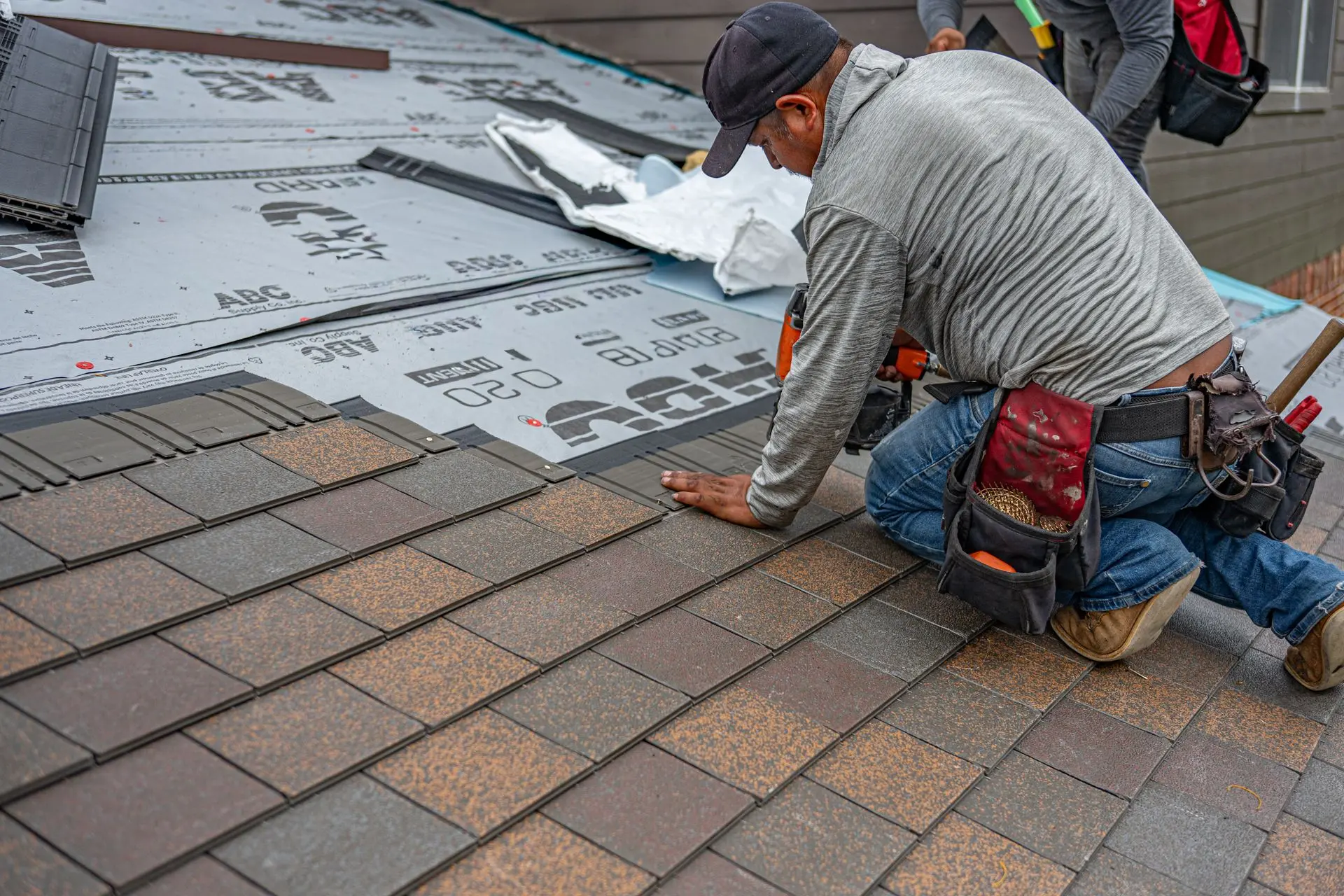
Property owners should avoid walking on a metal roof or attempting repairs without suitable knowledge. Incorrect foot placement can bend sheets, damage coatings or create a fall risk. Using unsuitable screws, sealants or paint may also make the problem worse. A repair that appears successful at first may fail when the roof expands, contracts or faces severe weather.
A professional roofer can explain the fault, recommend suitable work and identify related damage. It is sensible to request a clear written description of the repair, the materials being used and any guarantees provided. Once the work is complete, regular inspections and simple maintenance can help protect the repaired area and support the long-term condition of the roof.
Riverside provides professional metal clad installation services for
homes and
commercial properties. Each roof is designed to suit your building and be reliable, low-maintenance, and long-lasting.