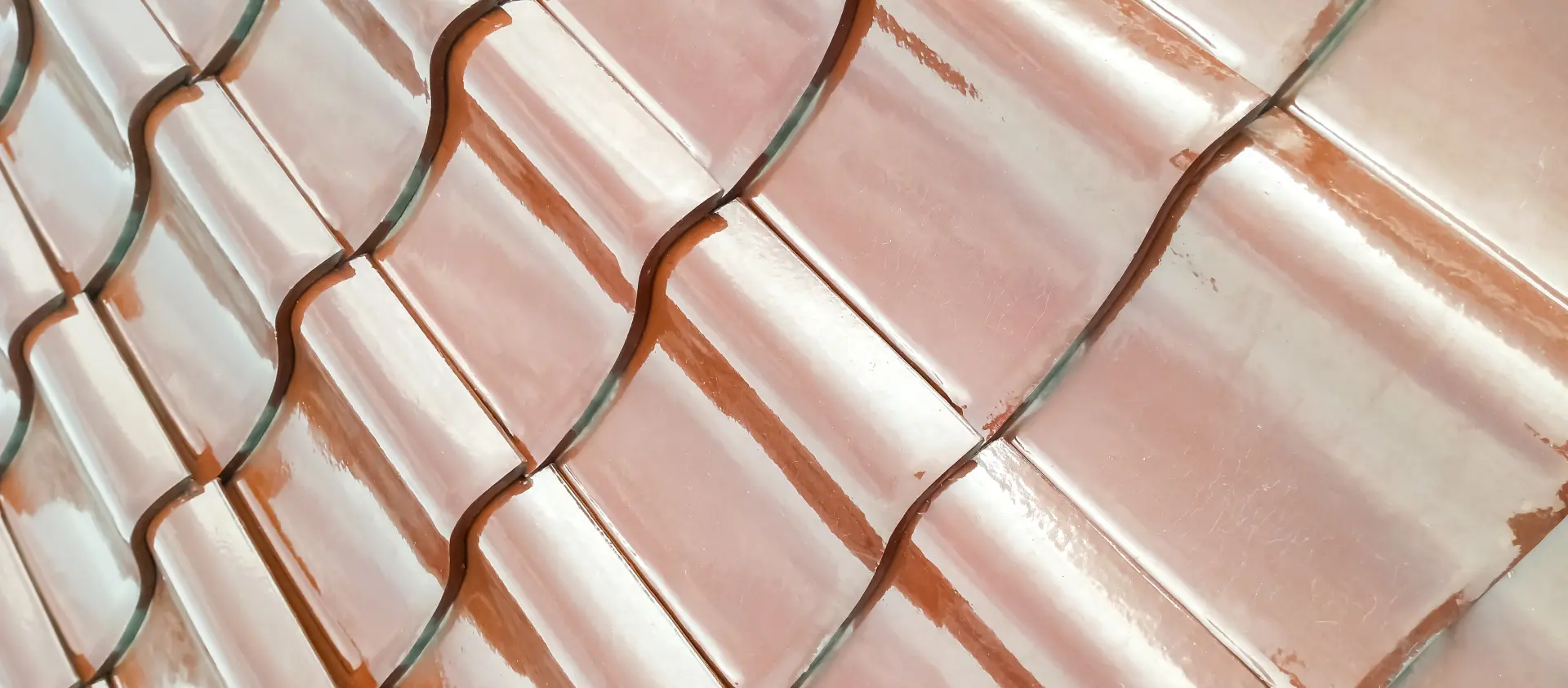
The top reasons to upgrade to a copper roof include superior longevity, high performance, eco-friendliness, and a stunning patina that adds character over time.
The Appeal of Copper Roofing
Copper roofing blends timeless beauty with high performance, making it a compelling upgrade for homes and heritage buildings alike. Its warm metallic sheen, shifting from bright penny tones to the dignified green of natural patina, enhances kerb appeal and complements both classic and contemporary architecture. Because copper is malleable, it can be fabricated into standing seams, shingles, or sculpted accents with crisp, watertight lines.
Unlike painted metals, copper’s finish improves with age, creating character instead of fading. Homeowners also value its premium, enduring look, which subtly signals quality craftsmanship and long-term thinking. The result is a roof that turns heads today and matures gracefully over decades, enhancing resale value, coherence, and pride of ownership in one sustainable material.
Exceptional Durability and Longevity
Copper is renowned for exceptional durability, routinely outperforming common alternatives like asphalt shingles and many coated steels. It resists corrosion, rot, and UV degradation without relying on sacrificial coatings, so performance remains consistent year after year.
Because copper naturally forms a protective oxide layer that evolves into patina, the surface gains protection against atmospheric weathering. The patina does not seal holes or failed joints. It also flexes through thermal cycles without cracking, which helps seams and fixings remain tight in freeze-thaw climates.
Copper can perform well in demanding environments, but exposure, compatible fixings and the drainage route must be assessed for each project. Contact with other metals and contaminated runoff can create corrosion problems if junctions are poorly detailed.
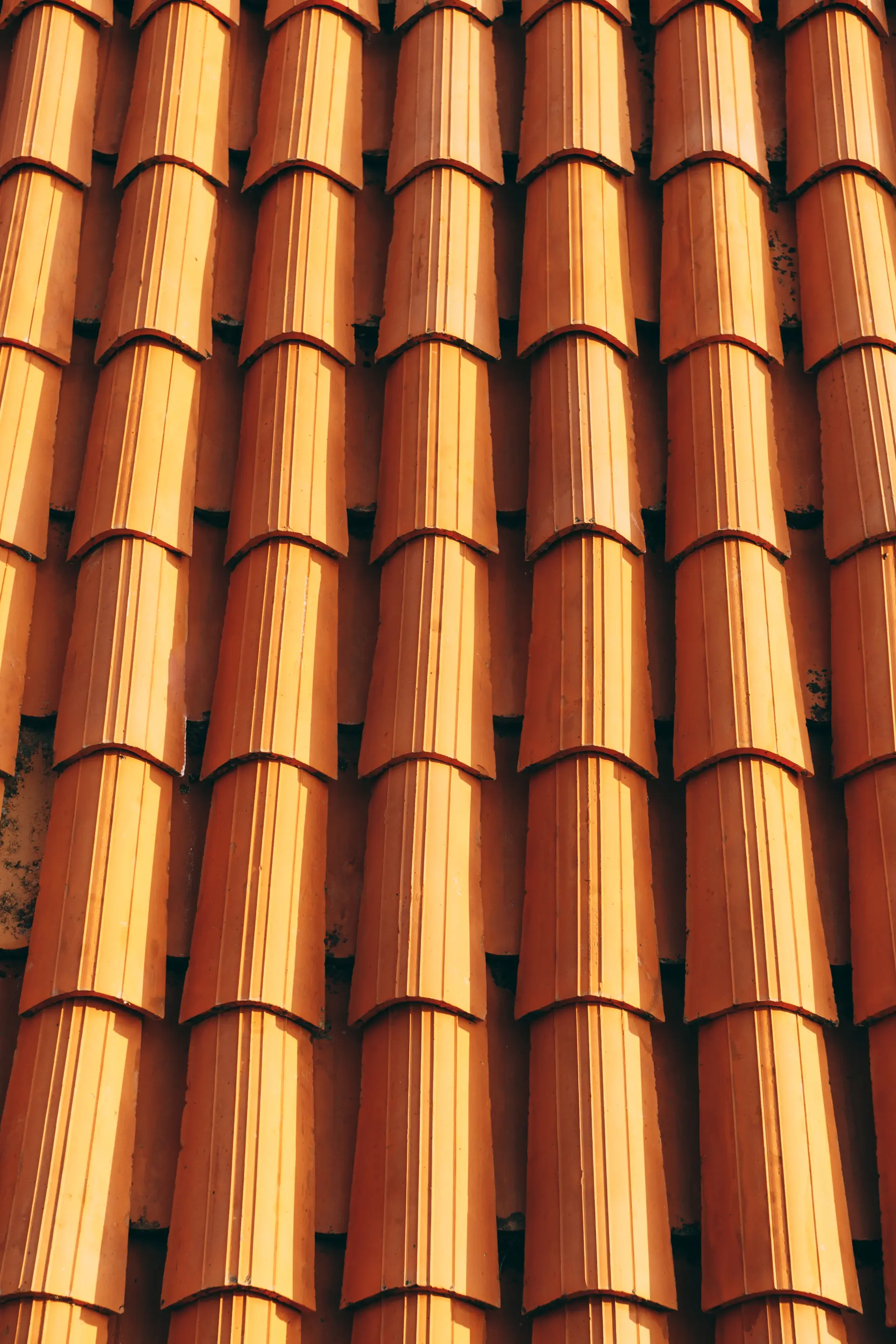
Copper roofs can have a long service life when correctly specified and maintained, but they still need inspection and may need repairs. That lifespan reduces the frequency of disruptive reroofing projects and the waste associated with short-cycle materials.
Fire resistance is another advantage: copper is non-combustible, and when used with appropriate substrates, it helps protect the structure from embers and external heat sources.
Finally, copper’s value endures beyond its time on the roof; the material retains significant scrap value and is readily recyclable, supporting circular-economy goals while offsetting end-of-life costs for owners.
These strengths make copper a favourite on landmarks and critical facilities, where reliability matters more than lowest first cost.
Low Maintenance Requirements
Copper roofs are refreshingly low-maintenance because the metal protects itself. The evolving patina acts as a natural barrier, so there’s no periodic repainting, re-coating, or chemical washing to preserve performance.
Routine care involves clearing leaves from valleys and gutters, checking for debris after storms, and confirming that flashings and fixings remain secure. Unlike granular or membrane systems, there’s no surface to shed, chalk, or blister.
When repairs are required - perhaps due to impact or unrelated building movement - copper is straightforward to patch or re-seam by a skilled installer, restoring weatherproofing without cosmetic mismatches. The result is fewer service visits, fewer consumables, and predictable ownership costs over decades, which appeals to homeowners and facilities teams alike.
Energy Efficiency and Heat Reflection
A copper roof’s thermal performance depends on the complete construction and the surface finish as it weathers. Insulation, airtightness and any designed ventilation space form part of that assembly. Standing-seam clips accommodate movement; they do not create a ventilation space by themselves.
On complex roofs, copper’s malleability enables precise flashing and airtight detailing, reducing infiltration paths that can compromise thermal comfort. In cooler seasons, insulation and air and vapour control limit heat loss and moisture movement. Snow movement and any retention measures should be considered where entrances or people are below the roof.
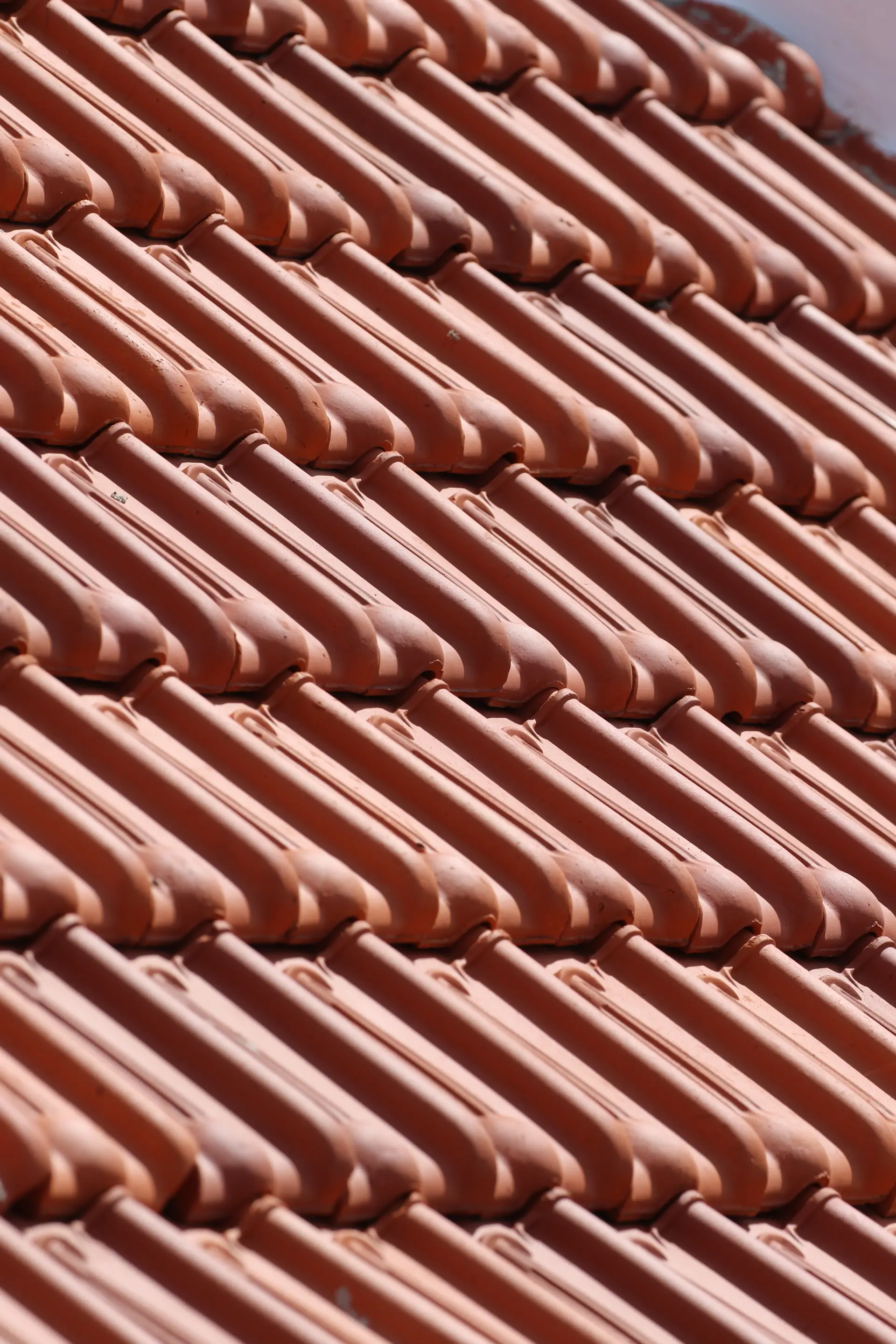
Copper roofs may support compatible solar PV mounts. Approved seam clamps can avoid penetrations, but structural loading, metal compatibility and future maintenance must be checked.
Because copper is fully recyclable and often contains recycled content, it contributes to embodied-carbon goals compared with short-lived materials. Compare the environmental declaration for the selected product and incorporate suitable insulation into the design. Recycled content and total environmental impact vary between products.
A durable covering and well-designed roof build-up can form part of an energy strategy, but savings need to be assessed for the building and its use.
Indoor comfort depends on insulation, ventilation and internal finishes as well as the covering. These should be agreed before installation.
Lightweight and Easy to Install
Despite its premium status, copper is a lightweight roofing metal. Panels and shingles place far less load on rafters than slate, tile, or multi-layer built-up systems, which can simplify structural requirements on new builds and reduce retrofit reinforcements.
That low mass also makes handling and staging easier for installers, supporting faster projects with less disruption to occupants. Because copper is highly workable, it can be formed and seamed on site to accommodate curves, dormers, and complex junctions, with fewer pieces and penetrations.
Prefabricated accessory sets - flashings, gutters, and ridge components - integrate seamlessly for a coordinated, weather-tight envelope. The net effect is efficient, quality installation that keeps programmes on schedule while delivering superior detailing and long-term performance.
How Copper Patina Changes Your Roof’s Appearance
New copper normally begins with a bright reddish surface, then darkens towards brown before developing its familiar patina. Rainfall, exposure and the angle of each roof face affect the change, so sections of the same building may weather at different rates. A green finish should not be promised within a fixed number of years.
If a consistent appearance is important from the outset, discuss factory-treated finishes and view samples alongside the brickwork, windows and gutters. Natural copper suits designs that accommodate gradual variation. Avoid polishing or chemical cleaning without specialist advice: maintaining a bright finish is a different commitment from allowing the metal to weather naturally.
Designing for Warmer UK Summers
In its September 2026 report, the Met Office provisionally recorded a UK summer mean temperature of 16.5°C, 1.9°C above the 1991 to 2020 average. These are national air-temperature figures, not measurements of copper roofs, but they give useful context when discussing summer comfort.
A copper covering alone does not guarantee cooler rooms or a percentage reduction in energy bills. Reflectance changes as the surface weathers, while insulation, air leakage, roof windows and ventilation all affect indoor conditions. Ask for a complete roof build-up that considers winter heat loss and summer overheating together. Concealed clips accommodate movement; they do not, by themselves, create a ventilated roof.
Compatible Gutters, Flashings and Solar Fixings
Copper needs careful detailing where it meets other materials. Direct contact with less noble metals, and copper-bearing rainwater draining onto aluminium, zinc or galvanised steel, can create corrosion problems. Check the whole drainage route, including gutters below copper dormers, and use compatible fixings and separation layers specified for the assembly.
Long trays expand and contract with temperature changes. Fixed points, sliding clips and junctions must accommodate that movement. If solar panels are planned, confirm that the clamp is approved for the particular copper seam, its materials are compatible and the structural and wind-load design supports the array. A clamp described as suitable for metal roofs is not automatically suitable for every copper system.
What Determines the Cost of a Copper Roof Upgrade?
Compare quotations for the same scope: copper grade and thickness, deck repairs, insulation, vapour control, scaffolding, flashings, gutters and disposal of the old covering. Dormers, curved sections and numerous roof windows increase fabrication and junction work, so a simple square-metre rate rarely represents the whole project.
Separate potential service life from the workmanship warranty and the condition of the structure below. Ask who will inspect seams and drainage, how repairs would be carried out and whether access is safe. Long-term value depends on actual installation and maintenance costs; neither a resale premium nor an end-of-life scrap value is guaranteed.
Recycling and Repairability: Questions to Ask
Copper can be recovered and recycled, but recyclability is different from the recycled content of the sheet supplied. Ask for the selected product’s environmental declaration and recycled-content evidence rather than assuming all copper roofs have the same environmental footprint.
A refurbishment plan should separate old metal from other waste and keep useful offcuts recoverable. Details that allow flashings or sheets to be removed without destroying adjacent materials can simplify later repairs. A durable installation, efficient material use and a clear recovery route provide a stronger environmental case than a general claim that the roof is green.
Get in touch with Riverside for expert copper roofing services in Camden, Greenwich, Hackney and London. From new installations to detailed repairs, our specialists deliver reliable and long-lasting results. Contact us today to discuss your project.