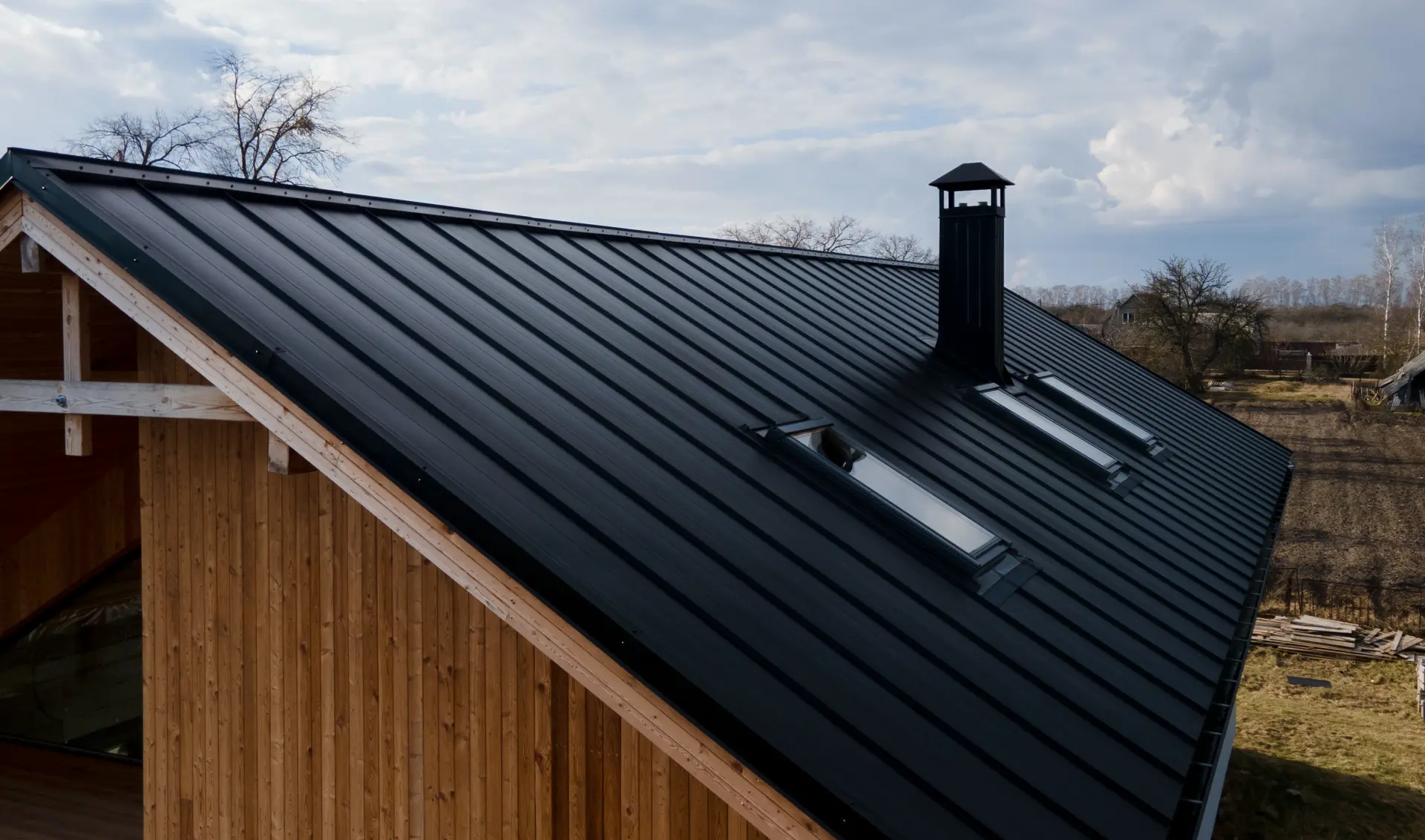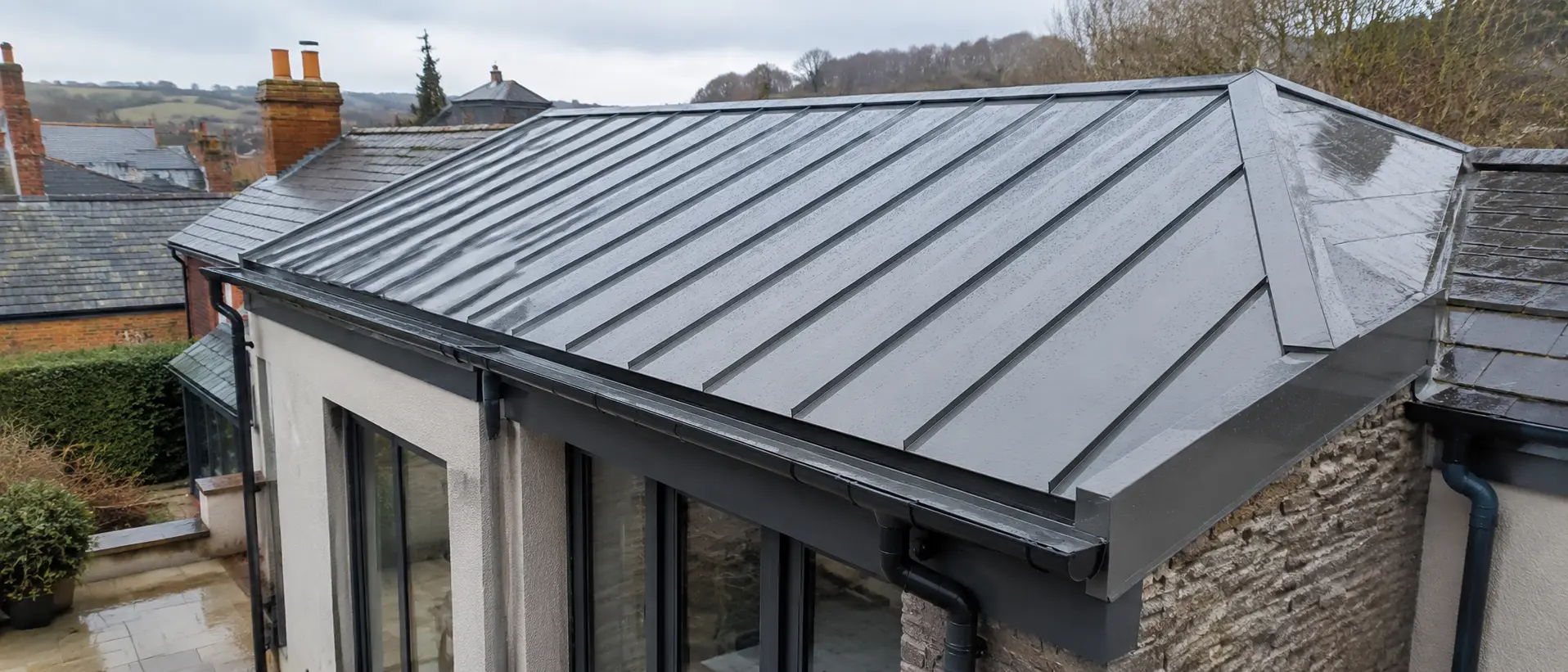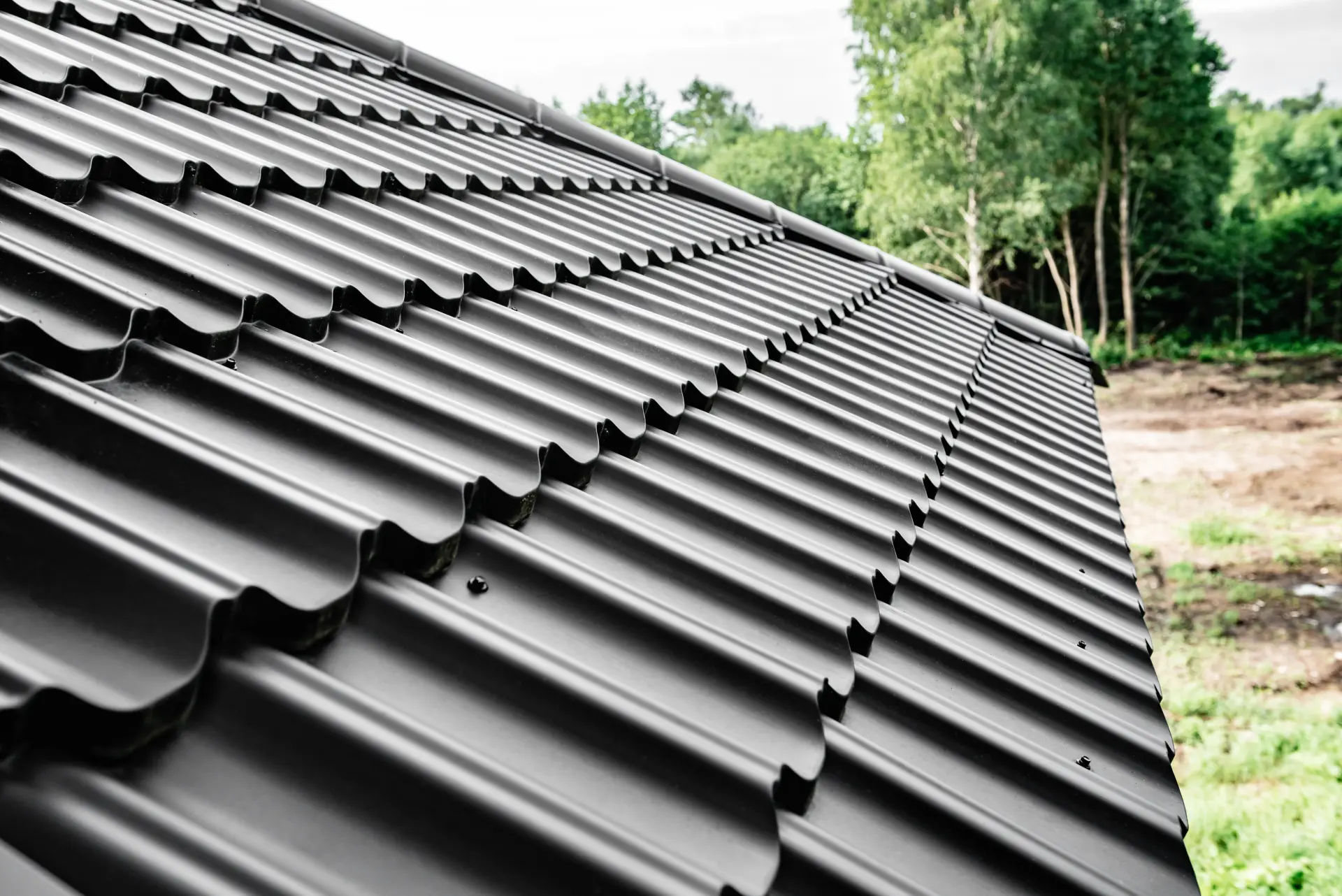
Metal roof inspections can save you money by catching small issues early, reducing repair costs and extending the lifespan of your roof. Book a professional assessment today.
Finding Small Problems Early
Many serious roof faults begin with a small amount of damage. A loose fixing, narrow crack or worn section of sealant may not cause an immediate leak. However, repeated rain, wind and temperature changes can gradually make the opening larger. A regular inspection allows these early warning signs to be found before they affect several parts of the roof.
Minor rust marks, scratches and coating damage can also be treated before corrosion spreads beneath the surface. Repairing a small exposed area is normally simpler than replacing a full metal sheet. The same principle applies to lifted edges, blocked outlets and loose flashing. Early action limits the materials, labour and access equipment needed for the work.
Small problems are often difficult to notice from inside the building. Water may enter the roof system without reaching a visible ceiling for weeks or months. During that time, it can wet insulation, supports and hidden surfaces. A professional inspection checks the roof itself rather than waiting for clear internal damage to appear.
Keeping inspection records also makes changes easier to identify. Photographs and written notes can show whether a dent, rust patch or uneven area has become worse since the previous visit. This gives the property owner useful information when planning repairs. Instead of reacting to unexpected failure, work can be scheduled at a suitable time and included within a planned budget.
Preventing Costly Water Damage
Water damage is often more expensive than repairing the original roof fault. A failed seal or loose sheet may be small, but the water entering through it can spread across insulation and supporting materials. By the time a damp mark appears inside, moisture may already have affected ceilings, walls, flooring and electrical equipment.
Regular inspections focus on common points of water entry, including seams, flashing, roof openings and fixings. They also check for corrosion, holes and areas where water collects. Finding these weaknesses early allows them to be repaired before prolonged rainfall causes greater damage. This is especially important on roofs with a low slope or several roof features.
Wet insulation may lose some of its ability to control indoor temperature. It can also hold moisture against the underside of the metal roof, increasing the risk of hidden corrosion. In some cases, large sections of insulation must be removed and replaced. Preventing water entry helps avoid this disruption and protects the performance of the complete roof system.
Water can also damage decoration, furniture, stored goods and business equipment. Repair costs may therefore extend far beyond the roof itself. Regular inspections reduce this risk by dealing with the cause before the property is exposed. Although an inspection has an upfront cost, it can prevent much larger spending on internal repairs, replacement items and temporary closures.
Extending the Life of Your Roof
Metal roofs can remain in service for many years when they are installed correctly and maintained well. However, their working life can be reduced by untreated corrosion, failed coatings, loose parts and poor drainage. Regular inspections help control these risks and allow the roof to reach more of its expected service life.
A roof is made up of connected parts rather than metal sheets alone. Fixings, washers, seals, flashing, gutters and coatings all support its performance. When one part fails, it can place additional pressure on nearby areas. For example, a loose fixing may allow movement that damages a seam or wears away the coating around the fixing hole.
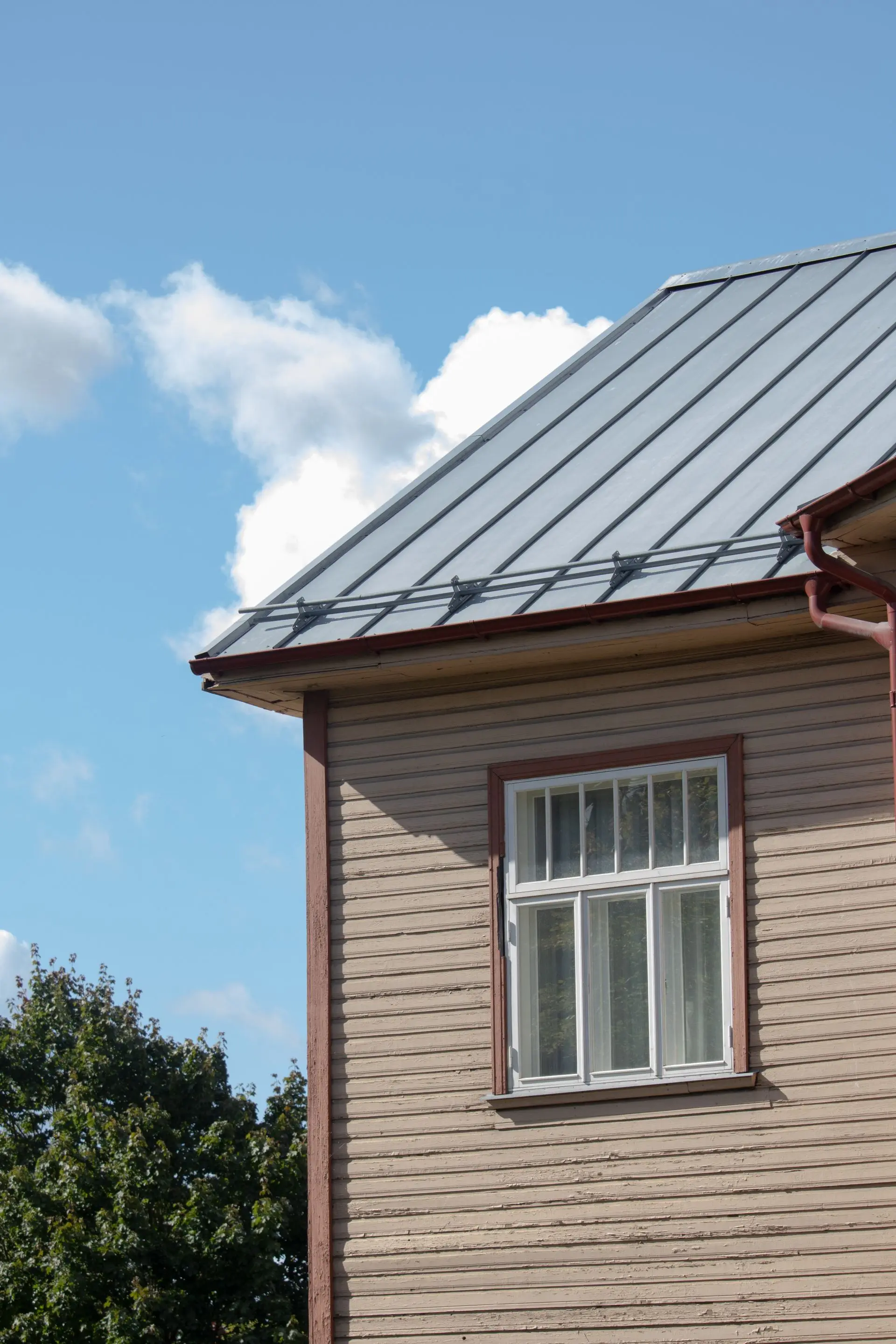
Inspections allow maintenance to be planned according to the actual condition of the roof. Some areas may only need cleaning or a small seal repair, while others may require renewed coating or replacement parts.
Carrying out the correct work at the correct stage avoids replacing sound materials unnecessarily while preventing damaged sections from affecting the wider roof.
Extending roof life can delay the major cost and disruption of complete replacement. It can also reduce the amount of waste created by removing old materials.
Inspection findings help property owners understand how the roof is ageing and when larger work may be needed. This supports better long-term planning rather than facing an unexpected replacement project.
Checking Coatings, Seams and Fixings
Protective coatings form an important barrier between metal roofing and the weather. Sunlight, rain, dirt and pollution can gradually affect their condition. Scratches may also occur during maintenance work or when branches and other objects move across the surface. Inspections identify fading, peeling, cracking and exposed metal before corrosion becomes firmly established.
Seams must remain closed while allowing normal movement in the roof. Temperature changes cause metal sheets to expand and contract, which places regular pressure on connected areas. An inspector will look for open overlaps, damaged sealant and signs that sheets are moving incorrectly. They may also check for staining or corrosion that suggests moisture has entered a joint.
Fixings can loosen, rust or pull against the surrounding metal. Washers may split, harden or lose their shape, reducing the seal around the fixing point. Missing fixings can allow a sheet to lift during strong wind. Regular checks help ensure that the correct type of replacement is fitted before movement damages the panel or nearby connections.
These parts should be considered together because failure in one area often affects another. Simply tightening every screw or covering each seam with sealant may not be suitable. A professional inspection considers the roof design, material and condition before recommending work. This avoids unnecessary repairs and helps ensure that replacement products are compatible with the existing system.
Improving Drainage and Energy Use
A metal roof must direct water towards gutters, outlets and downpipes without allowing it to collect. Leaves, moss, dirt and other material can block drainage routes. Even a partial blockage may slow the flow during heavy rain. Regular inspections identify these issues and allow them to be cleared before water begins to pool or spill into unwanted areas.
Standing water adds weight to the roof and keeps the surface wet for longer. It can speed up coating damage, corrosion and seal failure. Overflowing gutters may send water down external walls or towards entrances and foundations. Checking the slope, outlets and gutter alignment helps ensure that rain leaves the roof in a controlled and reliable way.
Roof condition can also affect energy use. Damaged coatings may absorb more heat than intended, while wet or displaced insulation may perform poorly. Gaps around roof openings can allow unwanted air movement. These problems may make it harder to maintain a comfortable indoor temperature, increasing the demand placed on heating or cooling systems.
An inspection can identify visible signs of insulation damage, gaps and failed reflective finishes. Further checks may be recommended if there is evidence of hidden moisture or unusual temperature changes. Keeping the roof dry, sealed and properly coated helps the building manage heat more effectively. This can support lower energy use while also improving comfort for people inside.
Avoiding Emergency Repairs
Emergency roof repairs often cost more than planned maintenance. Work may need to be arranged outside normal hours or during poor weather, when access is more difficult. Temporary coverings, urgent equipment hire and rapid material delivery can increase the total cost. Regular inspections reduce the chance of reaching this stage by identifying problems sooner.
A roof failure can also interrupt normal use of the property. Rooms may need to be closed, equipment moved and damaged areas made safe. Businesses could lose working time or be unable to serve customers. In
residential properties, occupants may need to avoid part of the building until water entry or loose materials have been dealt with.
Planned repair work offers greater control. Property owners can compare suitable repair options, prepare the area and arrange access at a convenient time. Materials can be selected properly rather than using whatever is available during an emergency. Work can also be coordinated with other maintenance, which may reduce repeated access costs and disruption.
No inspection can prevent every unexpected event, especially damage caused by severe storms. However, a roof in good condition is usually better able to withstand difficult weather than one with loose sheets, weak fixings or existing corrosion. Regular checks reduce known risks and help ensure that urgent repair teams are needed only for genuinely sudden damage.
Protecting Interiors, Stock and Equipment
The contents of a building may be worth far more than the roof repair needed to protect them. Water entering through a damaged metal roof can affect ceilings, flooring, furniture and decoration. In commercial properties, it may also reach stock, tools, machinery, documents or computer equipment. Some items may be impossible or very expensive to replace.
A small leak above a storage area can damage several products before anyone notices. Water may drip slowly during light rain or enter only when the wind comes from a particular direction. Regular roof inspections look for possible entry points even when there are no clear indoor signs. This gives property owners a chance to act before valuable contents are exposed.
Moisture can also create conditions for mould, unpleasant smells and surface damage. In areas where food, paper, fabric or electrical goods are stored, even a limited rise in moisture may cause problems. Businesses may face cleaning costs, lost stock and delays while affected areas are repaired. Preventing water entry protects both property and normal operations.
Inspection plans can give extra attention to roof areas above important rooms, storage zones or expensive equipment. Roof openings, joints and drainage routes near these areas can be checked carefully. Although every part of the roof matters, understanding what lies beneath it helps set repair priorities. This ensures that the greatest risks are addressed promptly and sensibly.
How Often Should a Metal Roof Be Inspected?
For many properties, a professional metal roof inspection should be arranged at least once a year. However, the correct timing depends on the roof’s age, design, location and condition. Older roofs or those with a history of leaks may need more frequent checks. Properties exposed to coastal air, industrial pollution or severe weather may also require closer attention.
Inspections are also useful after major storms, even when no damage can be seen from the ground. High winds can loosen sheets and flashing, while hail can damage coatings or leave dents. Fallen branches may affect hidden supports as well as the visible surface. An early check can confirm whether the roof remains safe and weather-resistant.
Additional inspections should be considered after work has taken place on or near the roof. Installation of vents, cables, signs or other equipment may affect sheets, seals and drainage. Contractors can accidentally scratch coatings or leave materials behind. Checking the roof after the work helps ensure that any damage is identified and responsibility is clear.
A professional roofer can recommend a suitable schedule after assessing the building. This may include a main annual inspection, checks after severe weather and simple visual reviews between visits. The schedule should reflect real risks rather than following the same plan for every property. Keeping dated inspection records helps show whether the chosen frequency remains suitable over time.
What a Professional Roof Inspection Covers
A professional inspection normally begins with a review of the roof surface. The roofer checks metal sheets for dents, holes, corrosion, lifting and coating damage. They also look for standing water, collected dirt and signs of movement. Safe access methods will depend on the height, slope, roof strength and surrounding area.
Seams, fixings and sealant are examined for gaps, wear and incorrect movement. Flashing around walls, vents, rooflights and other openings is checked because these details are common sources of leaks. Gutters, outlets and downpipes may also be reviewed to confirm that water can leave the roof without overflowing or collecting.
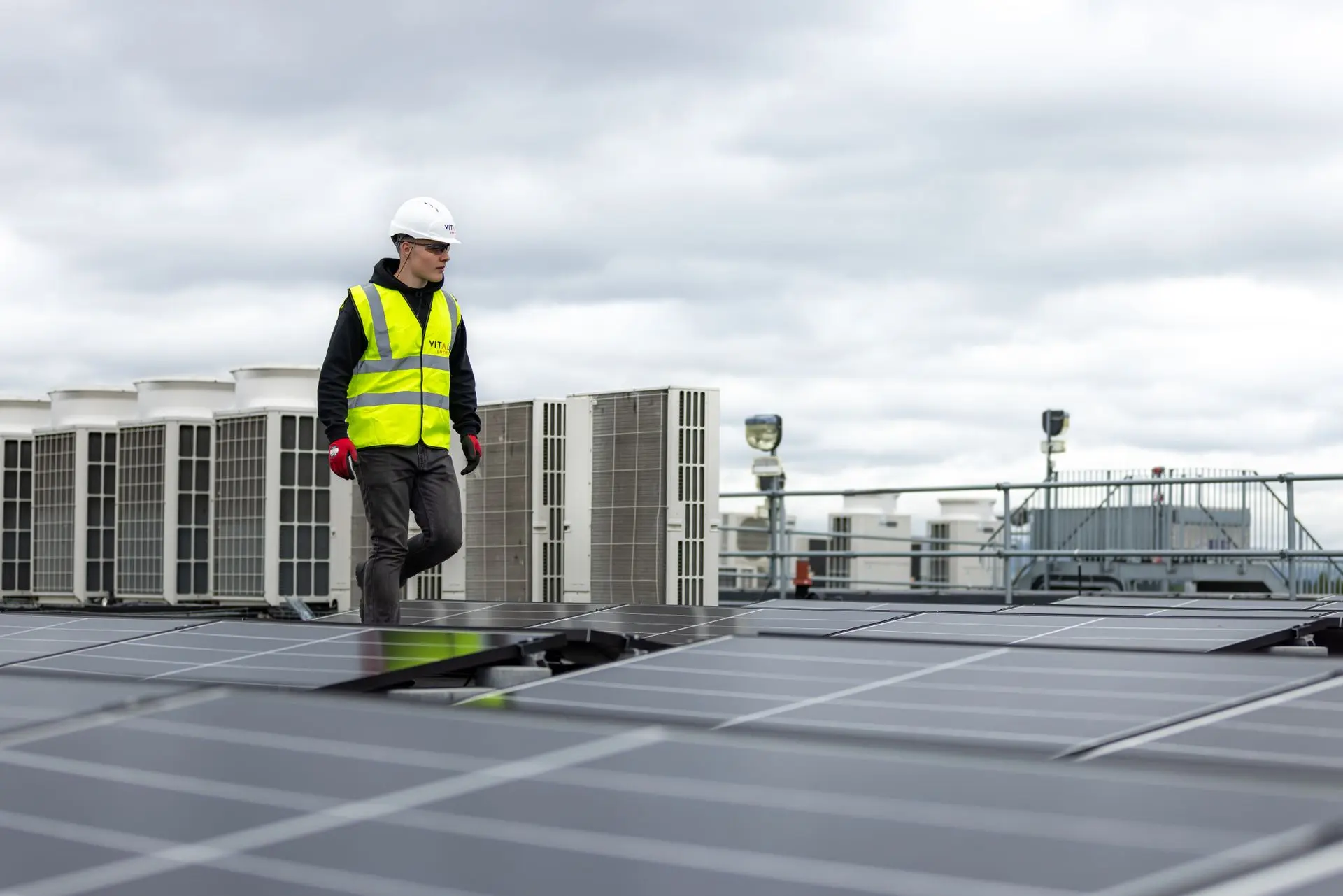
Where safe access is available, the inspection may include the underside of the roof or the internal roof space. The roofer can look for damp insulation, stains, rust, daylight through openings and damaged supports. Internal findings are useful because some problems are hidden beneath the outer metal sheets and cannot be confirmed from above alone.
After the inspection, the property owner should receive clear findings and practical recommendations. These may separate urgent repairs from work that can be planned later. Photographs can help explain the location and condition of each issue. A useful report supports sensible budgeting, provides a record for future comparisons and helps prevent unnecessary or poorly targeted repair work.
Riverside provides professional metal clad installation services for homes and commercial properties. Each roof is designed to suit your building and be reliable, low-maintenance, and long-lasting.